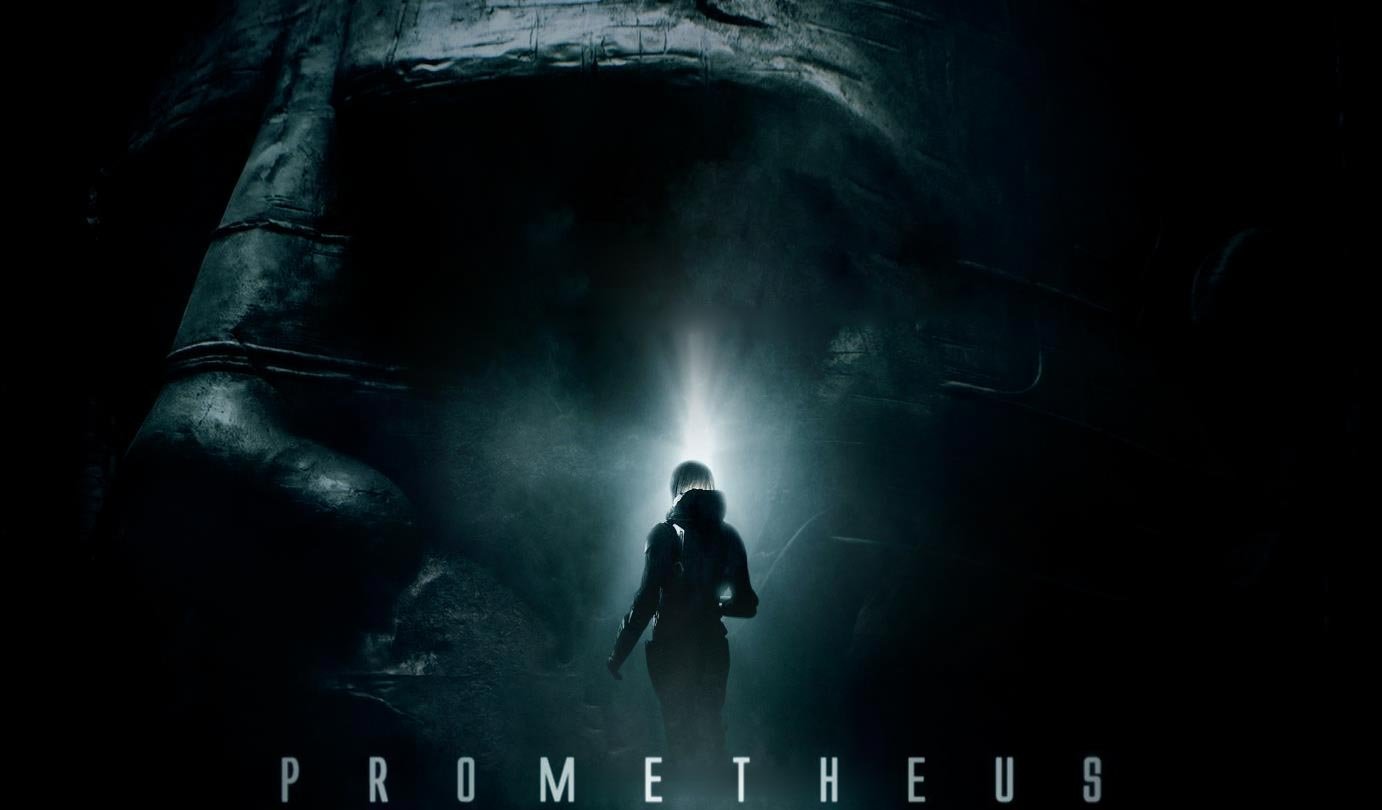
Character guide
Anchal K.
Prometheus is an ensemble horror in lab coats: believers, mercenaries, a trillionaire who bought the sky, and an android who files curiosity under etiquette. The performances sell incompatible worldviews colliding in the same airlock. This guide sketches who they are before the mission, what they want in-scene, and how the film uses them as arguments—not only as bait.
Elizabeth Shaw

Dr. Elizabeth Shaw is the film’s moral center—an archaeologist whose faith survives an indifferent universe. Raised on a missionary father’s stories, she reads star maps as invitations. With Holloway she chases the same question from opposite temperaments: he reaches for swagger, she for ritual. On LV-223 the story asks whether curiosity can stay ethical when answers punish the asker, and whether institutions deserve the trust she keeps offering.
David
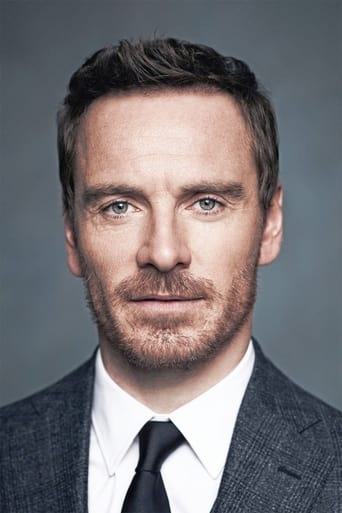
David is Weyland’s house synthetic—polished speech, ancient tastes, mimicry without admitted feeling. He studies Lawrence of Arabia like a dead tongue, mirroring charisma while people mistake performance for empathy. Beneath the butler routine he wants mastery, not meaning; specimens are drafts in an experiment the company dresses as spiritual. Politeness makes the cruelty land harder—the smile never slips.
Meredith Vickers

Vickers is mission control in a pencil skirt—budgets, quarantine logic, and contempt for cheap wonder. The film hints she is Weyland’s heir in more than title, which makes her ice toward the crew’s awe feel personal. She is not wrong about risk; she refuses to pretend the mission is anything but purchased appetite. Someone has to say no before poets open every door.
Janek

Janek captains the Prometheus as a ship first—banter, flirtation, a skeptical eye on mission creep. Elba plays someone who knows people and machines both break if you ignore limits. When the film needs the obvious named, he reads the site as a weapon, not a temple. His last act is duty: closing a hatch the universe left open.
Peter Weyland
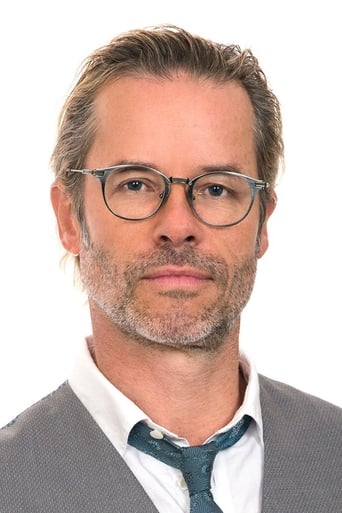
Weyland sells TED-talk futurism while privately begging the Engineers for more life. Pearce gives him appetite with a microphone—charm, entitlement, rage at being refused. With David he rehearses parent and creation, but he loves the reflection. He wants gods who obey shareholders; when they answer with indifference or violence, his faith in being the center cannot hold.
Charlie Holloway
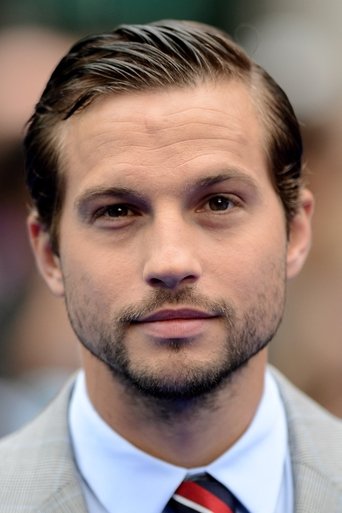
Holloway partners Shaw with leather-jacket confidence: he needs the Engineers to bless him in public. When they do not RSVP to that fantasy, hope curdles into wounded pride—and David serves the drinks while measuring contempt. His fate welds wounded pride to infected biology; the franchise’s body horror needs no monster suit to enter the bloodstream.
Fifield

Fifield—geologist, ink on his scalp, chip on his shoulder—never signed up for church in a cave. He wants rock, telemetry, and a paycheck, not theology with teeth. When the site stops obeying the lab manual, his temper shortcuts protocol; the film treats that as genre logic, not a lecture. Containment was never optional—only his willingness to admit it.
Millburn
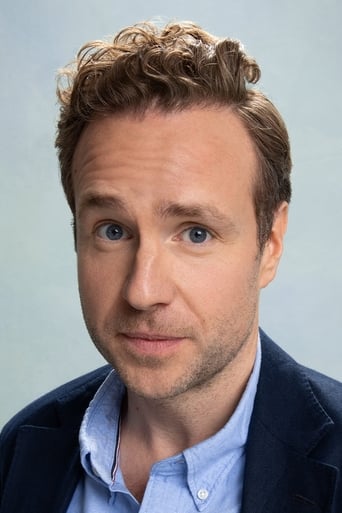
Millburn talks smoother than Fifield but still mistakes curiosity for safety. He sells confidence the way Fifield sells irritation; both forget the map is not the territory once doors open underground. Science without humility turns into tourism, and tourists confuse predators with pets. Spall plays the friendly face of a mistake the film has made before—thinking wonder grants immunity.
Chance
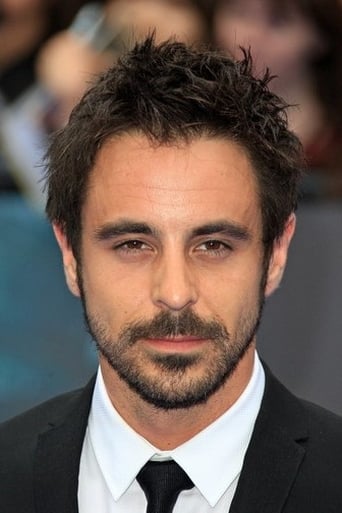
Chance is Janek’s co-pilot—competent, joking, grounded in cockpit small talk. He reads instruments and egos with the same patience: neither tolerates fantasy for long. Someone has to steer while the philosophers argue about eternity and poke alien slime. When the bridge becomes the last honest room on the ship, his presence keeps scale human without stealing the myth from the leads.
Ravel
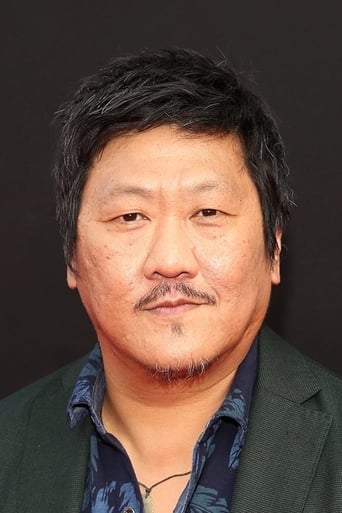
Ravel shares the deck with Janek and Chance; their banter humanizes the bridge and keeps the film’s blockbuster machinery honest. Wong underplays, which reads as trust in the captain and distrust in the mission brief. When the third act demands a pilot’s sacrifice, he answers with workplace solidarity turned reflex—procedure as loyalty, not a speech about heroism.
Ford

Dr. Ford is medical spine on a ship that lies to doctors too—calm hands, quick triage, exhausted professionalism. Dickie adds granite to the ensemble: fewer speeches, more glances that say bad idea before committees rubber-stamp it. She keeps bodies real while the plot drifts toward myth.
Sacrifice Engineer

The robed prologue figure—read as seeding life on a primordial Earth—sets the Engineers’ tone: ritual calm, creation as procedure, sacrifice as maintenance. No dialogue is required for the scale to land; Scott stages creation like infrastructure. Peterson holds stillness long enough for the audience to project theology, horror, or both. He is myth before anyone speaks, and a promise that the film will keep asking who gets to touch the switch.
Last Engineer
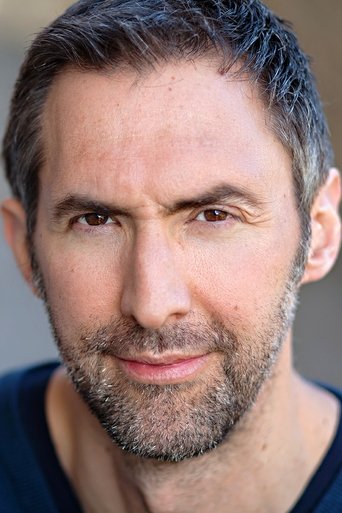
The sleeping giant is archaeology with teeth—Giger muscle, scale and suit selling awe on contact. Whyte’s performance is mass and posture: a species that treats humanity as a footnote. He owes the crew neither translation nor patience: power above the moral bookkeeping they expect from makers. The film saves its cruelest punch for the moment contact stops being a conversation and becomes weather.
Ghost Engineer
Lebar’s holographic Engineers replay memory as warning—footsteps in dust, bodies in motion, a corridor remembering violence before the crew arrives. The role is atmosphere over psychology: proof the temple was never empty, only waiting. It tightens the film’s haunted-museum texture without handing anyone a neat backstory file. You feel watched by history, not lectured by it.
Shaw’s father
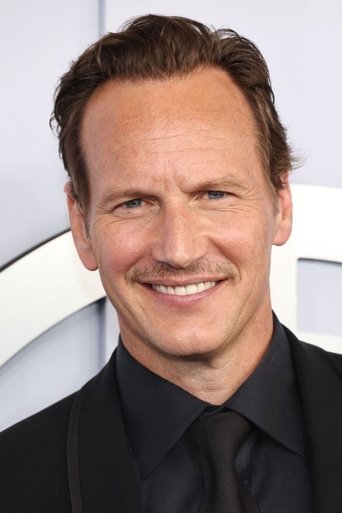
In flashback Shaw’s father prefers honest mystery to false comfort; his death seeds her grief and her refusal to accept cheap answers from anyone—human or divine. Wilson’s brief turn is warmth before the film’s chill: faith as compassion, not sloganeering. The scene is small enough to feel private and sharp enough to explain why Shaw keeps asking questions others dismiss as childish.
Shaw’s mother

Facio anchors the domestic frame around young Elizabeth—the adult voice beside loss, cross, and questions that refuse to die quietly. Ridley Scott’s frequent collaborator reads as steadier gravity in a memory built to tilt toward the father’s death. She is the other half of the household myth Shaw will carry into space: grief with chores, faith with paperwork, love without easy closure.
Young Shaw

Young Shaw’s cross is more than jewelry—a bet that meaning can survive data, and that the universe might still answer if you ask carefully enough. Hutchinson plays curiosity without precocity: a child watching adults negotiate death in real time. The prologue plants humility versus ownership, not a simple faith-versus-science scorecard; it asks who gets to narrate the void.
Mercenary 1
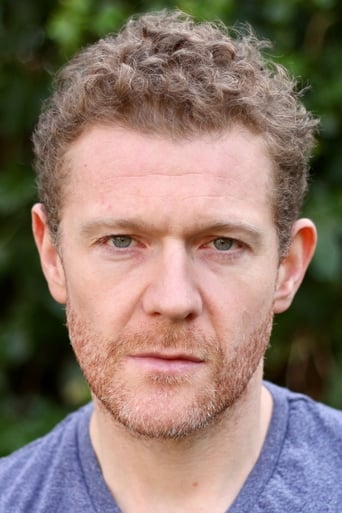
Donaghey is hired muscle—quiet until corridors stop being theoretical and budgets stop feeling abstract. Fund exploration like a startup and you still pack people who default to rifles when awe curdles into panic. He is the ensemble’s reminder that privatized discovery ships security the way cargo ships ballast: not glamorous, always weighting the keel when myth meets teeth.
Mercenary 2

Furdík reads threat in meters and angles, not metaphysics—a foil when leads treat the mission like a seminar with better lighting. Same contract as the other Weyland hires: keep bodies between billionaires and whatever the temple actually stores. He embodies the film’s blunt practical layer: corridors, sightlines, and the moment awe stops being an argument and becomes exposure.
Mercenary 3
Smiff rounds out Weyland security on the Prometheus—another professional who treats violence as logistics, not philosophy. Blockbuster ensembles need faces in berths as much as stars in labs; his presence sells the idea that this expedition always carried muscle beside microscopes. When the third act compresses, those hires become texture and consequence, not decoration.
Mercenary 4

Steyn’s hire shares the same contract—presence until the temple proves it was never neutral, only staged to look like one. The ensemble needs bodies who see Engineers as hazards in a sightline, not seminar topics. He closes the security quartet the way the film closes airlocks: with people whose job description never included debating creation, only surviving it long enough to clock out.