← Back Anchal K.
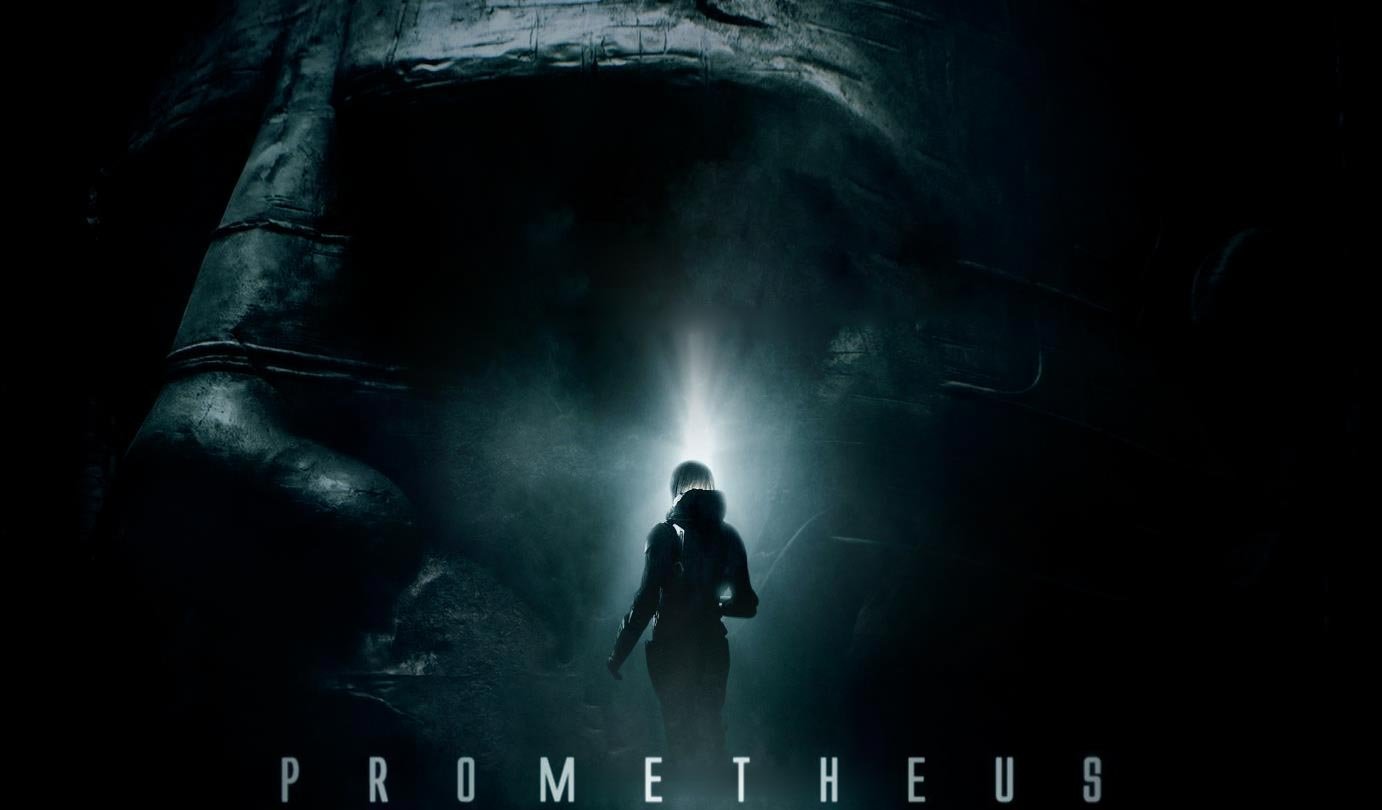
Prometheus (2012) — Horseshoe craft older than human arrogance. The Engineer ship on LV-223—and how its silhouette rhymes with Alien’s derelict without being the same wreck. Juggernaut ship in Prometheus: Engineer horseshoe craft, control room, cargo hold, and visual link to Alien’s derelict.
What we see on screen
The Juggernaut on LV-223 is a horseshoe-shaped Engineer vessel—bone-white ribs, pilot chair fused with biomechanics, cargo hold stacked with urn canisters sweating black fluid. David walks its corridors like he was built for them.
The control room contains a chair that interfaces with the pilot’s suit—Giger’s language from Alien’s Space Jockey, updated with holographic star maps and launch readiness. This ship is not a fossil; it wakes.
Janek sees the Juggernaut’s trajectory and understands the mission: delivery system aimed at Earth. The silhouette fans remember from 1979 returns as an active weapon, not archaeological set dressing.
The urn hold’s scale—rows of canisters under bone arches—makes the horseshoe feel like a bomber’s bay dressed as cathedral. Production design sells dread through inventory.
Pressure, choices, and staging
When the last Engineer activates the ship, the Prometheus crew has minutes—not hours—to stop a planet-killer. Scott frames the horseshoe lifting as weather event, metal as storm front.
Janek’s ramming intercept folds the Juggernaut back onto LV-223’s surface, crushing Vickers and stranding the Engineer survivor. The crash repositions the ship from launch pad to arena for Shaw’s final fight and the Deacon’s birth.
The cargo hold’s urns imply the Juggernaut’s purpose: transport bioweapons to targets, Space Jockey as bomber pilot in a war humans never knew was declared.
Craft, sound, and place
The Juggernaut interiors extend Giger’s original derelict designs with cleaner lighting—horror museum with power still on. Practical sets and CGI extensions sell scale when David activates holograms.
Sound design uses deep engine thrum and biomechanical clicks—audio lineage to Jerry Goldsmith’s Alien textures, updated by Streitenfeld’s choral dread.
When the ship tilts after Janek’s hit, Wolski’s camera treats the hull as landscape—scale shift from machine to geology. The Juggernaut stops being transport and becomes tomb.
Franchise rhymes and sequels
This Juggernaut is not the LV-426 derelict—different moon, different century, different stage of the program—but the rhyme is intentional. Scott reconnects prequel to original through shape language, not retcon GPS.
Alien argued survival in corridors; Prometheus argues creation with contempt. See Engineer black cargo explained, Prometheus crash scene explained, Deacon explained.
Close read on rewatch
Compare the Juggernaut’s pilot chair to the orrery hologram—same cosmology, different interface. Engineers navigate creation like artillery officers.
Juggernaut ship in Prometheus: Engineer horseshoe craft, control room, cargo hold, and visual link to Alien’s derelict. Track who boards without fear, who reads the cargo, and who rams the horseshoe.
Its launch sequence is the film’s loudest argument that LV-223 was never a research retreat—it was a loading dock for apocalypse.