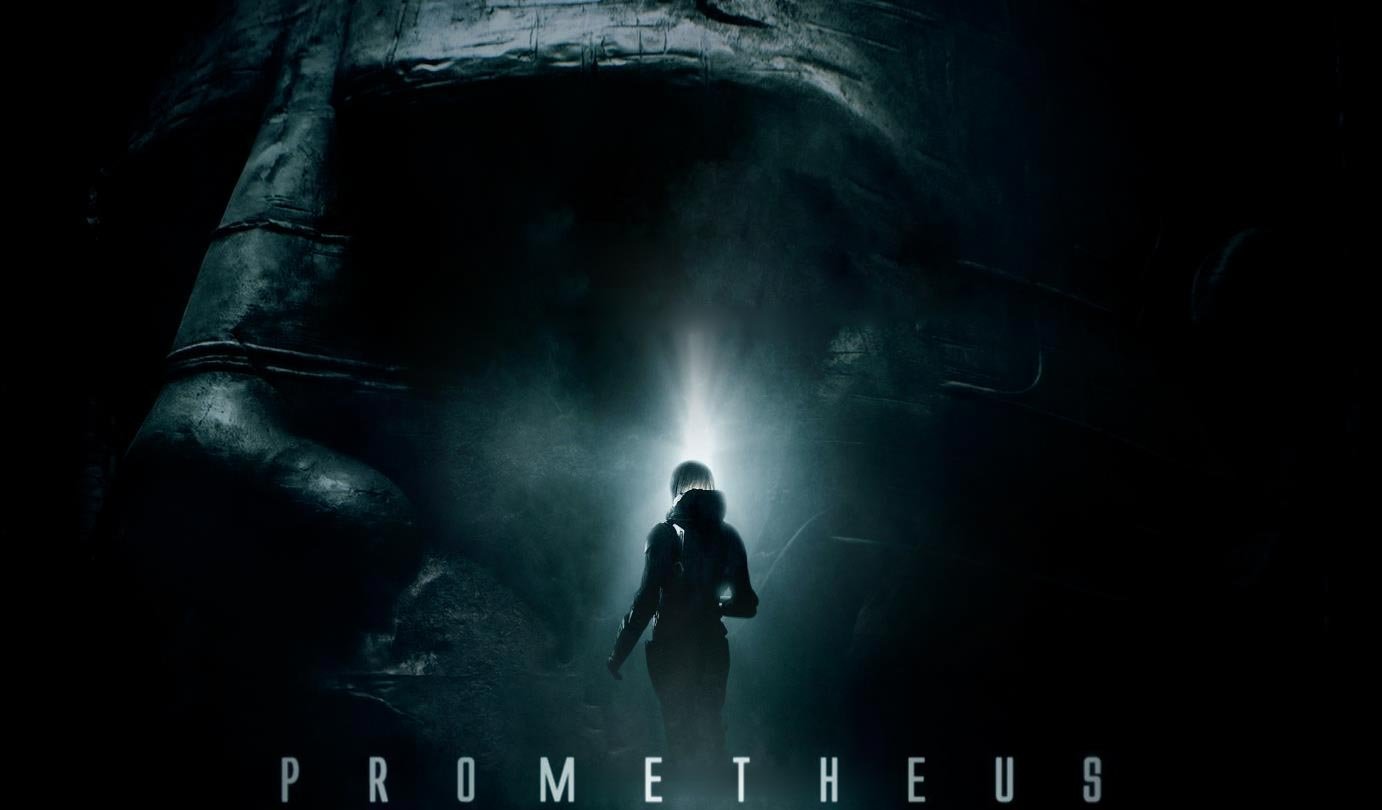
Full guide
Anchal K.
This guide is written for viewers who already know there is more than one respectable way to move through the Alien films, and who want a clear map before they commit evenings to a marathon. It treats Prometheus (2012) as the hinge: a big-budget return to the cosmos that reframed questions the 1979 original asked in a smaller room. Whether you are planning a first pass through the series or a disciplined rewatch with friends, the same practical truth applies—order shapes meaning.
Start here
Default for first-timers: release order—culture, surprises, and contrast when you reach Prometheus land harder that way.
Chronological (prequels first) suits viewers who want Engineers and synthetic experiments to loom over Ripley from the start, and who accept that some shadows in 1979 may feel smaller.
Hybrid / short on time: watch Alien and Prometheus, then choose more prequels or jump to Aliens depending on whether you want horror or ensemble action next.
Why watch order is a creative choice
Film series are unusual artifacts. Each entry is financed, written, and cut under different industrial pressures. Sequels respond to box office, to technology, and to what audiences said they wanted on opening weekend. That is why “the order the filmmakers released them” and “the order events occur for characters inside the story” diverge so often. Neither map is a trick; they measure different things. Release order respects history: you feel how ideas and budgets evolved, how design languages changed, and how performances were calibrated for an audience that had or had not yet seen certain reveals. Chronological order respects narrative causality: you follow implications forward, even when that flattens surprises crafted for another path.
Prometheus complicates the picture because it arrived after four films centered on Ripley’s life yet dramatizes events that characters in Alien could not have known. It is not a simple prequel in the television sense—one long flashback with a fixed endpoint. It is a lateral expansion: new characters, new institutions, and a mythic frame that re-colors what “the company,” “the creature,” and “the accident in space” can mean. That is why two reasonable viewers can disagree fiercely about the best order and both be arguing in good faith.
Release order: the default for first-timers
Most people should start with release order. It is the path the culture walked: posters, controversies, critical reappraisals, and parodies all arrived in this sequence. You inherit the same blind spots and the same slow accretion of lore. For the core cycle, that usually means Alien (1979), Aliens (1986), Alien³ (1992), Alien Resurrection (1997), then Prometheus (2012) and Alien: Covenant (2017). Each step assumes you carry forward what you have already seen, even when later films quietly rewrite the furniture.
Ridley Scott’s original Alien is a lesson in restraint. It withholds, suggests, and lets sound design do exposition. By the time you reach Prometheus, you have lived through James Cameron’s expansion of scale, David Fincher’s brutal narrowing, and Jean-Pierre Jeunet’s baroque laboratory sequel. Your expectations for what an Alien film “is” have been trained in a specific direction. Prometheus then pivots toward cosmic inquiry and corporate mythology. The contrast is the point. If you watch the prequels first, you trade away that slow reorientation.
Alien (1979) in context
In 1979 the film was sold as a haunted house in space: a commercial towing crew, a distress call, a violation of quarantine protocol, and a creature designed to feel both sexual and industrial. The cast worked in cramped sets; the camera treated the ship as a workplace before it became an abattoir. Release-order viewing preserves the primacy of those workplace details. You meet the Nostromo’s chain of command before you meet the Engineers’ monuments. You learn that budgets and corners get cut in deep space long before anyone lectures you about ancient astronauts.
On a rewatch, after Prometheus, the 1979 film’s silences read differently. Lines about the “company” gain a second frequency. The derelict on LV-426 is no longer only a gothic set piece; it becomes a node in a larger story you may or may not want fully spelled out. Some viewers love that enrichment; others feel it trims the original’s cosmic anonymity. Your preferred order is partly a preference about how much mystery you want the 1979 film to retain forever.
The Cameron era and its ripple effects
Aliens is a masterclass in sequel logic: widen the world, raise the stakes, shift genre register from horror toward combat thriller, yet keep a spine of maternal protectiveness that the first film only implied. For marathon pacing it is often the emotional high-water mark. People cheer; they quote Hudson; they forget how long the director’s cut lingers on setup. In release order, Alien³ arrives as a deliberate correction—bleak, angry, determined to refuse the crowd-pleasing reset the previous ending suggested.
That whiplash is historically authentic. Studios intervened; assemblies exist; fans still argue about which cut is “the real” third film. None of that minutiae is required to understand Prometheus, but it explains why the franchise’s tone is unstable in a way many cleaner cinematic universes are not. Release order lets you feel that instability as lived experience rather than footnote.
Prometheus after four Ripley films
When Prometheus opened, part of its publicity promise was the return of Ridley Scott to science fiction and a willingness to ask “big questions.” The film follows scientists funded by a powerful corporation as they travel to a moon designated LV-223, interpret ancient star maps, and confront relics that suggest humanity’s creators may not have been benevolent. The horror set pieces echo the original—corridors, storms, suits, contamination anxiety—but the narrative spends unusual time on faith, hubris, and the ethics of meeting one’s makers.
In release order, you have already watched Ellen Ripley lose everything again and again. Prometheus introduces Elizabeth Shaw, Charlie Holloway, Meredith Vickers, Janek, and the synthetic David as a fresh ensemble. The film can therefore treat corporate expeditions as a recurring human habit rather than Ripley’s private curse alone. David’s arc, in particular, gains menace when you have already seen how synthetics can be programmed, trusted, and catastrophically misjudged in this universe.
The trade-off is dramatic irony. You know roughly what class of threat can emerge from violated protocols. You know the company’s fingerprints stain expeditions. Some first-time viewers find that foreknowledge dulls the third act; others find it tightens dread because they watch characters rationalize risks you already understand to be fatal.
Alien: Covenant as a bridge and a fork
Alien: Covenant continues the prequel thread while reintroducing a colony ship, couples in hypersleep, and a more familiar monster-forward third act. It asks how creation myths curdle when the creator is bored, cruel, or curious in the wrong way. Watched in release order after Prometheus, it feels like a sequel that knows some audiences wanted more explicit creature violence sooner. Watched in chronological order before Alien, it front-loads philosophical horror and body horror that the 1979 film once implied with a lighter touch.
Neither prequel resolves every question raised in marketing. The franchise’s openness to future installments means some mysteries remain deliberately mobile. A timeline guide should be honest about that: you are optimizing for experience, not for a Wikipedia-complete chart of every canonical date.
Chronological order: prequels first
Chronological order for the six theatrical films commonly runs Prometheus, Alien: Covenant, then the Ripley cycle—Alien, Aliens, Alien³, Alien Resurrection—though some viewers shuffle the middle four to taste. The appeal is structural: you follow the Engineers’ shadow, David’s experiments, and the emergence of biomechanical threat before you board the Nostromo. When the derelict appears in 1979, you bring a backpack of intent—sometimes exhilarating, sometimes reductive.
Chronological order also reframes Ripley as a late chapter in a much older story about hubris. Her competence becomes not only survival instinct but a human answer to centuries of bad decisions made above her pay grade. For viewers who prefer mythic sweep over slow-reveal horror, that can be deeply satisfying. For viewers who cherish the original’s sense of cosmic indifference, it can feel like over-explanation. There is no dishonesty in either reaction.
Theatrical canon, expanded universe, and LV-223 vs LV-426
Hardcore continuity enthusiasts sometimes fold in comics, games, and novelizations. This guide sticks to the six theatrical films—what most people actually watch before arguing about Prometheus online. Add EU material and dates multiply; treat those works as optional texture, not prerequisites for Shaw’s cross or David’s poetry beside the lab.
Within the films alone, keep two locations distinct: LV-223 is the moon in Prometheus—structures, holographic records, evidence of something that went wrong long before humans arrived. LV-426 is where the Nostromo finds the derelict in Alien and where Aliens returns for colony and military action. They are not interchangeable; collapsing them flattens two films that use geography as fate—where you land, what you disturb, what you carry home.
For a chronological marathon, hold that separation in mind: prequels stress invitation, inheritance, and faith against spectroscopy; the 1979 film stresses routine, bonuses, and treating a signal as obligation. Release order lets those modes collide; chronological order stacks them as cause and effect, gaps and all. If you annotate lightly, note when characters name worlds or company divisions—the story is often about institutions mislabeling what they have found. And when discourse calls Prometheus a mere “origin story,” remember it is closer to a lateral excavation: it widens the mythos without promising one tidy causal chain.
Spoilers, surprises, and social viewing
If you are hosting a group, negotiate spoilers explicitly. Chronological order front-loads information that release order dribbles across decades. Someone who has never seen Alien may still know its most parodied beats through cultural osmosis; do not assume silence equals innocence. A useful compromise is a “soft” chronological path: show Prometheus, pause for discussion, then show Alien before deciding whether to continue into Covenant or defer it until after Aliens. Hybrid paths exist precisely because fatigue and tonal whiplash are real variables.
Children and sensitive viewers deserve the same transparency. The series spans R-rated intensity, body trauma, and existential bleakness. Prometheus includes surgical horror and violent set pieces presented with blockbuster clarity. Planning order without planning breaks is how marathons collapse at the two-thirds mark.
Double features that reward comparison
If you cannot commit to six films, pairings teach a lot. Alien plus Prometheus highlights how Scott revisits corridors, helmets, and violations of quarantine logic across eras. Prometheus plus Alien: Covenant isolates the prequel arc’s shift from expedition thriller toward gothic laboratory tragedy. Aliens plus Alien³ forces a conversation about sequel economics versus authorial intent.
Runtimes, fatigue, and where to place intermissions
A naive schedule treats streaming like a conveyor belt. A humane schedule treats it like travel. The original six films vary in length and density; some cuts add significant minutes. If your group includes people unaccustomed to older pacing, schedule breaks after films that end on adrenaline spikes—especially before moving from combat-heavy entries into the more ponderous prequels, or vice versa. Hydration and sleep matter more than loyalty to a purity test about “no pauses.”
Subtitles help everyone, not only viewers who are hard of hearing. Franchise dialogue mixes technical jargon, whispered horror, and overlapping radio chatter; captions clarify proper nouns that casual listeners miss. They also reduce the urge to ask housemates to rewind during quiet scenes—a courtesy that keeps marathons from becoming negotiations.
If you are solo, breaks still matter. Chronological-first marathons in particular front-load philosophical dialogue; release order often front-loads survival horror. Match your viewing time to your alertness. The films deserve attention; they also punish fuzzy viewing with confusion that later reads as a plot hole.
Sequels, prequels, and the unfinished map
Franchises change shape when studios green-light new chapters. A timeline guide written for viewers must admit uncertainty: tomorrow’s film can recontextualize yesterday’s prop. That is not unique to Alien; it is the nature of long-running story worlds. The useful skill is learning to enjoy partial maps—stories that end before every ledger is balanced—without pretending closure is guaranteed.
Prometheus sits in the middle of that reality. It answers enough to propel plot and withholds enough to preserve sequel hooks. Some viewers experience that as frustration; others as fidelity to the original film’s respect for the unknown. Your watch order changes which side of that line you stand on first. Rewatches often migrate people toward the middle: appreciation for bold images paired with skepticism about exposition delivered too cleanly.
If future films appear, revisit this page’s core advice rather than any specific bullet list. Release order will still trace industrial history; chronological order will still trace causal ambition inside the fiction. The tension between those two lenses is likelier to survive than any single canonical timeline chart.
Closing: Prometheus as a mirror
However you order the series, Prometheus asks you to sit with a discomfort that blockbuster films rarely hold for long: maybe curiosity is not an unalloyed virtue, maybe creators owe nothing to their creations, and maybe the universe is not obliged to explain itself on human terms. The best watch order is the one that lets you engage those ideas without exhaustion—then return later, rearrange the sequence, and notice what changed in you rather than only what changed on screen.
Keep a light journal if you are inclined: one sentence after each film suffices. Over six entries you will see your own priorities emerge—whether you care most about continuity, performance, politics, craft, or sheer fright. The franchise has room for all of those lenses. Prometheus did not erase what came before; it added weight and risk to the question of why humans keep walking into dark rooms labeled “forbidden.” Pick an order, watch with intention, forgive yourself for changing your mind, and treat the timeline as a living argument—one you are allowed to join without needing the last word.
However many words a guide throws at the problem, the films remain the authority of experience: two hours in the dark, sound in your chest, and the simple fact that someone, somewhere, always opens the wrong door next. That is the timeline that never stops moving—release dates be damned—and the reason any written order stays provisional until you actually press play.
Optional reading
Themes and deep dives
The sections below are optional essays—expand only what you want. Everything before this block is enough to pick an order and host a marathon.
Assembly cuts, sound mixes, and streaming versions
Streaming catalogs rotate; color grades and aspect ratios sometimes shift subtly between masters. If your marathon spans multiple services, check whether you are watching a director’s cut or theatrical cut of Aliens and Alien³ in particular. The narrative implications are not infinite, but pacing is. A slower middle act changes where viewers take breaks and how tired they are when Prometheus’s third-act momentum arrives.
Rewatch goals: what to optimize for
If your goal is pure dread, bias toward Alien first and postpone the prequels until you crave context. If your goal is thematic coherence about creation and punishment, chronological order may serve you better. If your goal is cultural history—how blockbuster science fiction argued about gender, labor, and empire across decades—release order is almost mandatory. If your goal is to prepare a podcast or essay on Prometheus specifically, watch the prequels twice: once cold, once after Alien, and note which questions survive both passes.
The synthetic through-line
Across the series, artificial persons map our anxieties about obedience, empathy, and instrumental thinking. Ash’s politeness, Bishop’s decency, Call’s anger, and David’s aestheticism are different answers to the same pressure: what happens when a corporation treats consciousness as a product feature. Prometheus foregrounds that theme with operatic bluntness. Watching synthetics evolve in release order emphasizes discontinuity—each film reinvents the idea for its plot. Watching with chronological intent emphasizes lineage and perversion: the same dream of helpful intelligence curdling into something worse.
Corporate power as a recurring weather system
The Weyland-Yutani lineage and its antecedents are not a tidy legal timeline in the films; they are an atmosphere. Characters sign contracts they barely read, accept missions with buried clauses, and discover too late that rescue is a marketing fiction. Prometheus makes that atmosphere literal with holographic briefings and trillionaire ego. Release order lets you feel the company grow more brazen as budgets on-screen and off-screen rise. Chronological order lets you see the arrogance as ancient—something that predates Ripley and will outlast her if the universe allows it.
Gender, labor, and who gets believed
The Alien films repeatedly stage scenes where women see danger clearly and institutions dismiss them. Ripley’s arc is the famous spine, but Prometheus distributes skepticism and credulity across multiple bodies and asks who is rewarded for curiosity versus punished for it. Order shapes whether you read those scenes as echoes of Ripley or as independent moral tests. Neither reading cancels the other; both deepen on a second pass.
Creature design as narrative information
H. R. Giger’s influence haunts the entire franchise, but each director bends the monster toward different fears. Release order teaches you to recognize when a film is showing a full creature versus hiding it, when CGI replaces puppetry, and when the edit chooses suggestion over display. Prometheus and Covenant sometimes lean on digital mobility and scale in ways the 1979 film could not afford. Chronological-first viewers may find 1979 “quiet” afterward; release-first viewers may find the prequels loud. Calibrate expectations and sound systems accordingly.
For writing students and designers, compare production design packets: how each film signals class, labor, and institutional power through costumes and interfaces. Prometheus’s sleek corporate aesthetics deliberately rhyme with and diverge from the Nostromo’s industrial clutter. Order changes whether those rhymes feel like evolution or contradiction.
Music and tempo across a marathon
Jerry Goldsmith’s original score for Alien works through unease and space; James Horner’s Aliens score drives momentum with military snare DNA. Later entries bring other composers and tempi. If you stack six films, the auditory whiplash is real. Some households schedule a palate cleanser—food, daylight, a walk—between Resurrection and Prometheus specifically, because the aesthetic jump is enormous.
When chronological order disappoints—and why that is still data
Some viewers try prequels first, reach Alien, and feel the 1979 film’s restraint as anticlimax. That is not a failure of taste; it is a mismatch between expectation and form. If that happens, pause instead of forcing a binge. Return to Alien alone, on a good screen, with attention paid to sound and framing. Many people who bounce off chronological order on day one love release order on day thirty. The films reward patience even when the internet rewards hot takes.
Teaching with the franchise
Educators sometimes use science fiction to discuss ethics, biology, and engineering trade-offs. If you are building a syllabus clip list rather than a home marathon, favor discrete scenes with clear questions: quarantine protocols, informed consent, dual-use research, and the difference between discovery and deployment. Prometheus supplies blunt prompts about touching alien artifacts and interpreting ambiguous data—useful in classrooms if framed with care and content warnings.
Fandom arguments that will not end—so manage your energy
Online discourse loves ranking films, declaring cuts “invalid,” and treating preference as morality. A practical viewer can adopt a lighter stance: orders are tools. Release order is a historian’s tool. Chronological order is a mythographer’s tool. Hybrid schedules are athlete’s tools for surviving midnight movies without falling asleep during gorgeous establishing shots. Save the flame wars for optional forums; protect your living room.
Ancient astronauts, science, and the rhetoric of discovery
Prometheus dramatizes a collision between spiritual longing and empirical method. Characters argue about engineers of life the way people argue about any grand narrative that promises to replace accident with intent. The film is not a classroom; it is a thriller that uses those arguments as fuel. In release order, those debates arrive after you have already seen multiple films where science is both tool and excuse—where labs and military planners treat organisms as patents and weapons.
In chronological order, the same debates land earlier, which can make the Ripley films feel like a delayed answer to a question the universe should never have answered out loud. Some viewers find that enriching: Ripley’s stubborn practicality becomes a moral style forged in the wreckage of other people’s theologies. Others feel it over-determines a series that once thrived on not knowing. Again, both reactions are information about what you want movies to do with mystery.
If you are watching with teenagers or students, it can help to separate three layers: what characters believe, what the film suggests might be true inside its fiction, and what real-world science would demand before anyone touched an alien goo. Prometheus is most useful when it sparks that triangulation rather than when it is mistaken for a thesis about human origins.
Ripley and Shaw: two kinds of refusal
Ellen Ripley and Elizabeth Shaw are not interchangeable protagonists, yet both embody a stubborn human insistence on naming danger and demanding accountability. Ripley’s arc is famously shaped by survival under institutional betrayal; Shaw’s arc is shaped by faith tested by evidence that refuses to behave like a benevolent revelation. Watching in release order, you meet Ripley’s mature skepticism first, then meet Shaw’s more open, wounded curiosity as a counter-melody. Watching chronologically, Shaw’s choices can cast a long shadow backward: you may read Ripley’s anger as part of a lineage of humans punished for trusting briefings, logos, and polite android smiles.
Neither mapping is “correct” in an ethical sense; both are interpretive. The useful exercise is to notice where each film lets its lead speak plainly and where it forces them to scream into machinery. The Alien series repeatedly stages moments where language fails—radio silence, corporate doublespeak, medical euphemism— and bodies become the only honest text. Prometheus participates in that tradition even when its characters talk more about meaning than prior crews dared to aloud.