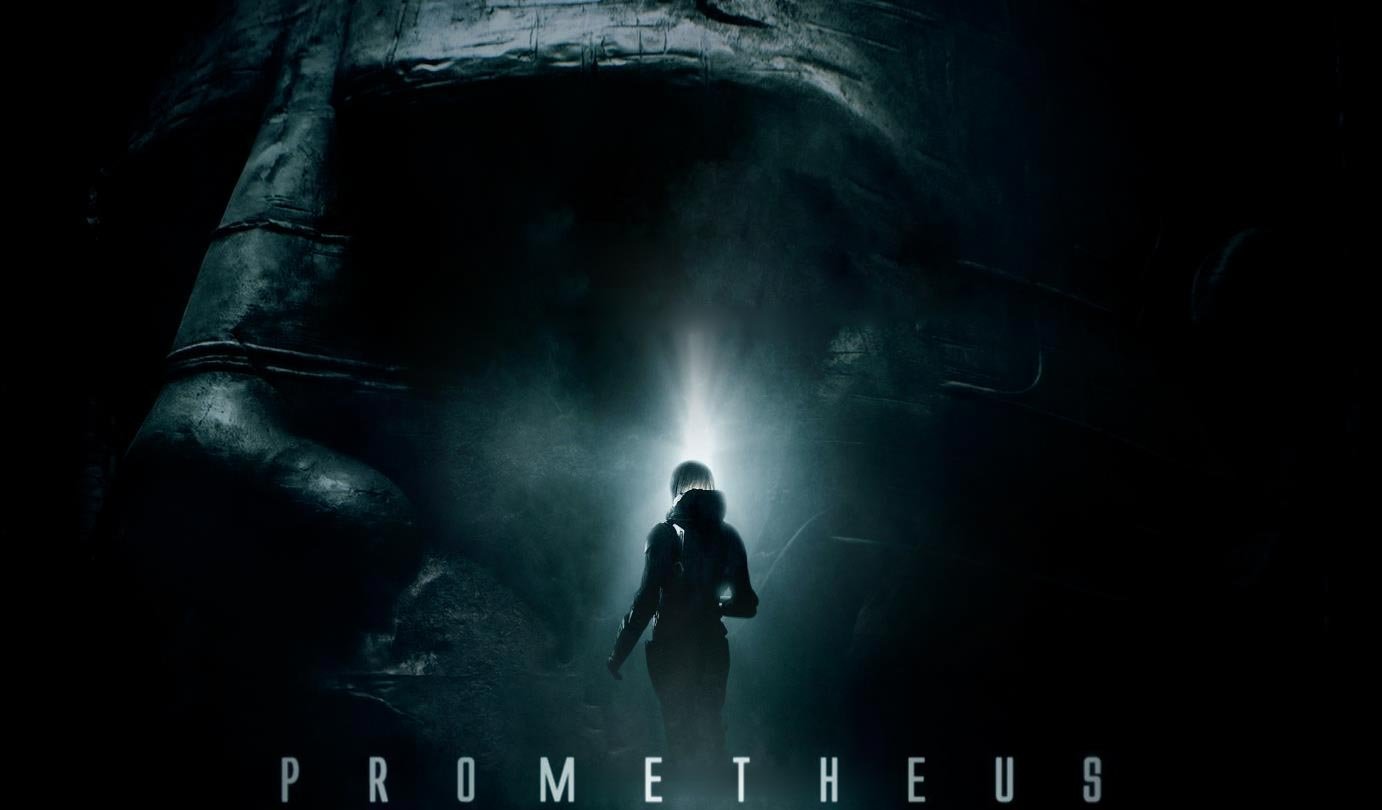
Blockbusters are carved in the edit. Prometheus alternates dread accelerators with contemplative slows that make impatient viewers fidget. I am not apologizing for them. I am naming the intent. When the film lingers on a star map or a mural, it asks you to behave like a scientist: observe, revise, risk being wrong. That rhythm is incompatible with TikTok pacing, which is why some modern audiences bounce. Fine. Not every film owes you adrenaline on a metronome. Interviews and DVD-era breakdowns, hunt via YouTube behind-the-scenes queries, routinely confirm how much exposition lived in longer cuts. Theatrical ambiguity is often residue of choice, not accident. Accident is what people blame when they do not want to admit discomfort.
Deleted scenes are not sacred texts. They are cautionary tales about pacing versus clarity. Still, noticing seams helps you read the theatrical cut as a deliberate compromise: keep the question alive, kill the line that solves it like homework. Some viewers call that sloppy. I call it trusting the audience to carry uncertainty. Movies that explain everything age like milk. Milk belongs in tea, not in myth.
Third-act acceleration splits audiences. Some feel whiplash. Others feel the trap snapping shut. Both readings point to the same narrative design: philosophy must sprint when the temple wakes up. If the finale went full talky ethics while monsters knock, you would complain about that instead. Blockbuster third acts prioritize motion. This one tries to keep theme embedded inside impact, not always elegant, rarely boring. Boring is the true sin. Elegant is a bonus.
Hot take: faster editing would not fix character choices people dislike. It would only hide motivations behind chaos. The film’s slower midsection makes decisions legible, which makes them arguable. Legibility is braver than obfuscation because it invites critique. I prefer art that invites critique over art that dazzles you into submission. Submission is for concerts. Movies should pick fights.
Editor as author: when to cut on a blink versus hold on a landscape defines whether awe feels earned or cheap. Prometheus mostly earns its holds until it does not, and then you notice. That unevenness is human. Perfectly machined tempo is an ad, not a movie. Ads lie smoothly. Movies lie with texture. Texture is honesty’s rude cousin.
If you are editing-minded, try counting average shot length in the temple sequences versus the third act, then ask whether the contrast is accidental. My read: it mirrors cognitive collapse. Exploration mode gives way to panic mode. You might hate the result. You should still recognize the pattern as a choice, not a blunder. Blunder is random. Pattern is policy.
Streaming skip intro culture trains impatience. This film’s intros are the movie. If you skip the slow stuff, you skip the point, then complain nothing made sense. That is user error wearing a critic’s hat. Sit still. Let the map unfold. Feel boredom flirt with dread. That is the Ridley Scott cocktail, like it or not. Cocktails can be bitter. Bitter can wake you up.
Editing is ethics: who gets the close-up when someone dies tells you whose death the film mourns. Watch those choices. They are not neutral. Neutrality is for manuals. Movies pick sides even when scripts pretend they do not. Pretense is a writing problem. Editing can correct or worsen it. Here it mostly clarifies who matters in the moral math. Moral math is cold. Cold fits the film.
Revelations paced too fast become trailer beats. Revelations paced too slow become parody. The film walks a line between them. The line wobbles. Wobble keeps you alert. Alert viewers catch foreshadowing in murals. Murals are editing partners. They hold information while actors yap. Yap is human. Murals are patient. Patience is editorial strategy disguised as set dressing.
Sound editing and picture editing handshake matters in horror. A cut lands harder when the sound refuses to comfort you. Comfort is a rhythm habit. Breaking rhythm is a choice. Choices accumulate into a voice. Voice is what you remember when plot fades. Plot always fades. Voice lingers like smoke.
Ambiguity is often filed on purpose, not left in by mistake. Purposeful ambiguity annoys people who want closure. Closure is a domestic need. Domestic needs are valid. They are not the only valid needs. Some viewers need the door left open. Open doors draft. Draft feels like fear. Fear is the product.
If you dislike crosscutting between teams, ask what it buys: simultaneity of stupidity, parallel hubris, shared fate. Shared fate is thematic editing. Thematic editing is old school. Old school still works when the audience agrees to play student. Student mode is voluntary. Voluntary attention is the rarest resource in modern viewing. Earn it or lose it. The edit tries to earn it with mystery. Mystery is currency. Spend slowly.
Trailers lie, but they also reveal what executives feared. Compare trailer tempo to theatrical tempo. The gap tells you what anxiety shaped release. Anxiety is not only marketing. Anxiety is editorial pressure. Pressure leaves marks. Marks are readable if you look. Looking is a skill. Skills beat opinions. Opinions are fast. Skills are slow. This film is slow on purpose sometimes. Sometimes is enough.
So lingers that irritate, trims that bite: both are tools. Tools build pace. Pace builds meaning. Meaning outlives nitpicks if the pace let you feel the world before it broke. Broken worlds need a before. Before is editing’s job. After is the audience’s memory. Memory lies. Editing remains on the disc. Discs do not argue. They repeat. Repetition is confession.
Let me add a practical note for viewers who think “they should have cut twenty minutes.” Maybe. Maybe not. Twenty minutes removed from the wrong place turns mystery into confusion. Confusion is not the same as ambiguity. Ambiguity is controlled. Confusion is dropped stitches. Dropped stitches feel like incompetence. Controlled ambiguity feels like nerve. Nerve is harder to defend in a meeting. Meetings love cuts. Art sometimes loves holds. Holds cost money because screen time is money. Spending money on holds is a belief system. Belief systems show up in the edit whether you agree with them or not.
Another editing layer: reaction inserts. David watching, Vickers judging, Shaw absorbing: these microbeats stitch together a moral chorus without monologue. Monologue is cheap in scripts and expensive in runtime. Inserts buy meaning in half seconds. Half seconds accumulate. Accumulation is how you feel watched in a scene about being watched. Surveillance is an editing theme as much as a plot theme. Themes that repeat across form and content are strong. Strong themes forgive weaker lines. Weaker lines still hurt. Hurt is human. Humans need editors too.
Action clarity in the third act is a separate skill from contemplative pacing in the second. Editors who can do both in one film deserve respect. Respect is quiet. Quiet is undervalued. Undervalued crafts keep movies coherent when scripts sprint. Sprints trip. Trips need clean geography. Geography is editorial continuity. Continuity is not only for lore. It is for knowing where the door is. Doors matter in horror. Horror without doors is fog. Fog is not enough. Enough requires structure. Structure is edit math.
If you teach editing, assign a compare: watch a temple scene, then watch a chaotic corridor escape. Map the average shot length. Map who leads the eye. Map when music enters versus when it holds. Maps reveal intent. Intent separates accident from policy. Policy is what critics should argue with. Accident is what Twitter argues with. Twitter is not your friend. Your friend is the timeline on the NLE. The NLE does not laugh at you. It waits.
Finally, pace of revelation is a contract with the viewer. Break the contract early and you get confusion. Break it late and you get boredom. Keep the contract flexible and you get arguments. Arguments are healthier than either failure mode. Prometheus chooses flexible contract. Flexible reads as sloppy to some. To others it reads as respect for adult attention spans. Attention is earned in the first act and spent in the third. Spending is visible in the cut. Cut with intent. Intent is the whole sermon. Sermons are for Engineers. Edits are for humans. Humans need time to be wrong on screen before the universe punishes them. Time is editing. Editing is mercy. Mercy is rare here. Rare mercy still counts.
Ambiguity filed on purpose, not left in by mistake: that is the line I want you to repeat when someone blames the editor for your confusion. Confusion might be yours. Ownership is adult. Adult viewers make better companions on a rewatch. Rewatch is the editor’s second audience. The second audience forgives less and notices more. More is the point.