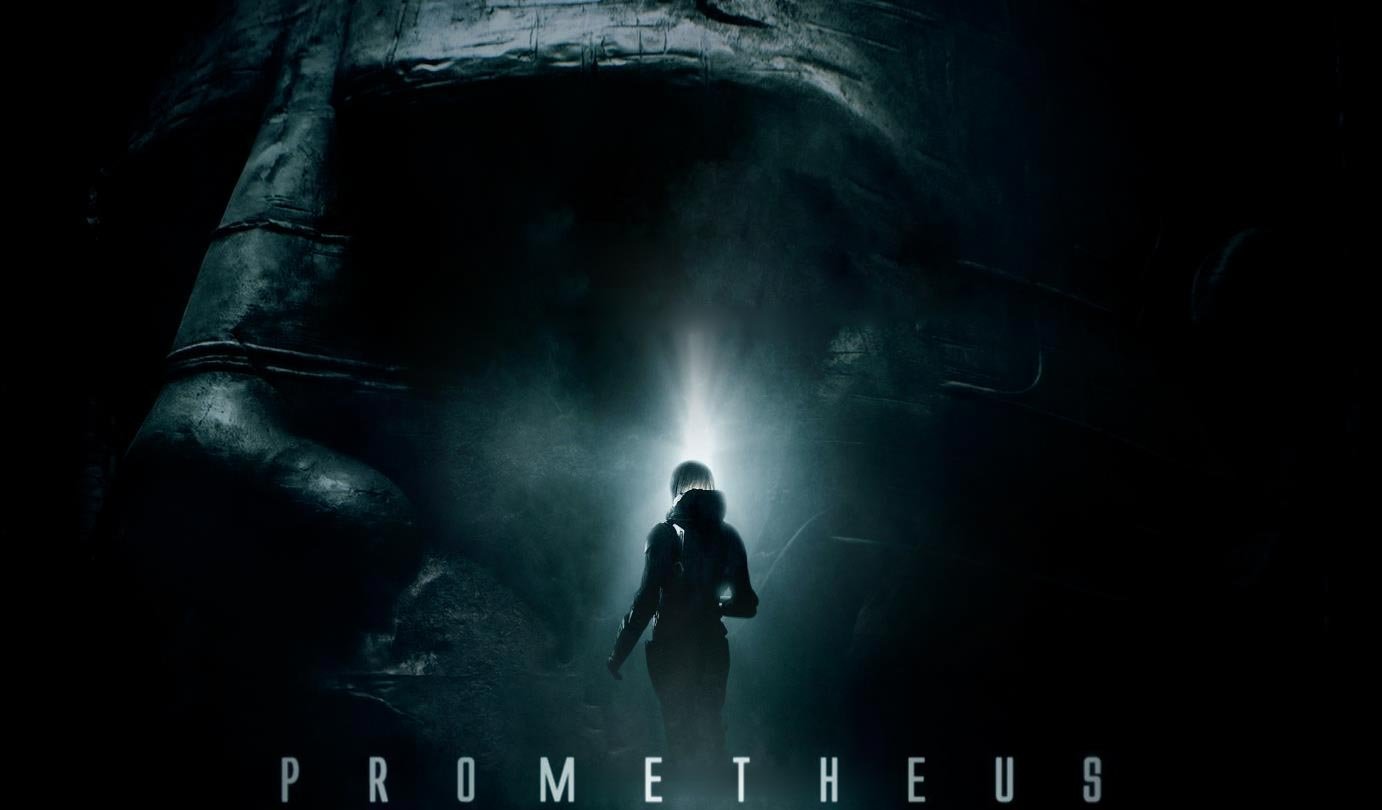
Science-fiction uniforms often look like one zippered onesie with different logos. Prometheus does better: layering, patches, material contrast. Vickers reads as control. Scientists read as expedition labor. Weyland reads as money entering a lab like weather. Costumes carry hierarchy without pausing for org-chart dialogue. That is visual exposition done adult-style. For who-built-what breadcrumbs, follow names in fullcredits and chase interviews. The screen evidence is what matters: silhouettes you recognize at a glance. Glance literacy is costume design winning.
Iconography inside the alien structures functions as narrative evidence, not wallpaper. Murals and reliefs repeat until the film trains you to treat pattern as fate. When characters misread symbols, the story quietly critiques projection: humans see invitations where there are warnings. That is smarter than another glowing artifact MacGuffin with a label. Blockbuster cinema forgets visual literacy. This movie sometimes over-relies on it, but I prefer over-reliance to insult. Insult is when the frame treats you like a toddler who needs arrows.
Corporate myth language matters for theme. Weyland branding is not just production design. It is an argument about privatized transcendence: salvation sold with shareholder oversight. Patches and livery make employer power feel bodily. You wear your owner. That is subtle until you notice it everywhere, then you cannot unsee it. Unseeing is impossible after a certain point. That point is design success.
Complaint: a few helmets and suits read slightly toy-like in bright daylight, blockbuster reality. The film usually snaps back to grit under interior emergency light. Nitpick culture blows those moments into memes. Fair, but do not let memes replace looking at how often textiles and insignia sell class divisions inside the crew. Class divisions are the quiet engine of the expedition. Engines hum under dialogue.
If you cosplay or illustrate, steal the principle: differentiate roles with material culture, not neon hair dye. Believability in sci-fi uniforms is about wear patterns, constraints, and who gets the clean lines. Prometheus remembered that more often than it forgot. Forgot moments are visible. Remembered moments are the spine. Spine matters when you cosplay at a con. Con lights are cruel. Cruel lights reward good texture. Texture is truth.
For a broader look at how Hollywood uses uniform grammar to sell hierarchy, browse costume-design breakdowns and BTS galleries via search: costume interviews, then come back and notice how often Vickers’s silhouette reads stop while science team silhouettes read go. Silhouette is faster than dialogue. The film banks on that speed. Speed is not only editing. Speed is also shape.
Weyland-Yutani DNA is not fully formed here. This is earlier-run mythmaking. The DNA of control is already visible in how logos appear on chests and gear. You are branded before you are briefed. That is a joke about employment in 2012 that only got less funny since. Costume departments rarely get credit for sociopolitical readings. They should. Cloth is ideology you can touch. Touch beats speech. Speech lies. Cloth wears out. Truth wears out too. Worn truth is still truth.
Revisit the landing gear scenes: dirt, wear, scuffs on gear tell you who works versus who supervises. Production teams that obsess over scuff patterns deserve wine. This is the invisible craft that keeps cosplayers busy and cynics quieter than they want to be. Busy cosplayers are a compliment. Compliments belong to departments that never get standing ovations. Standing ovations are loud. Craft is often quiet. Quiet craft is still craft.
Patches also encode mission fantasy: we are explorers, we are professionals, we are a family with matching luggage. The fantasy cracks when death arrives. Death does not respect patches. Patches become ironic. Irony is costume’s risk when theme turns mean. Mean theme turns uniforms into lies. Lies are on-brand for Weyland. Weyland lies with silk. Silk burns. Burning silk smells expensive. Expensive smells are part of the myth. Myth needs smell. Smell is hard in film. Costume carries smell’s placeholder: texture.
Color inside the ship supports role reads: cold control rooms, warmer human pockets, sick shifts when alien biology intrudes. Color is costume for sets, but costumes participate in the same palette discipline. Discipline reads as budget well spent. Chaos reads as story, not as mistake. Mistakes exist. Discipline makes them legible. Legible mistakes are art. Illegible mistakes are accidents.
Jewelry, watches, small personal objects: tiny humanity anchors inside corporate shells. Anchors matter because myth can float away without them. Floating myth becomes camp. Camp is fun. This film is not always aiming for camp. Anchors drag it back toward workaday reality. Workaday reality makes horror worse when it breaks. Breaks need a before. Before is a clean uniform stained. Stains tell time. Time tells fate.
If you study insignia, compare public-facing mission branding to private corporate tone. Public branding smiles. Private tone freezes. Freeze shows in Vickers’s wardrobe choices versus science team practicality. Practicality is a moral position here, not only a fashion choice. Fashion is never only fashion in uniform films. Uniform films are about conformity. Conformity kills individuals. Individuals matter in horror. Horror eats individuals. Eating shows on fabric. Fabric remembers. Memory is costume’s ghost.
Murals are not costumes, but they wear the crew’s attention like cloth. Attention is directed by staging: who stands before which glyph, who touches what, who looks away. Looking away is character. Character is story. Story is what insignia tries to freeze into icon. Icons outlive people. People are temporary. Icons pretend to be eternal. Pretend eternity is corporate myth in one sentence.
So patches, pecking order, murals that testify instead of decorate: costume as quiet propaganda. Propaganda works best when it does not announce itself. Announcement is for slogans. Slogans are for recruits. Recruits die first in genre tales. First deaths teach uniform watchers what the myth costs. Cost is blood. Blood stains patches. Stained patches tell the truth better than any briefing.
Footwear and gait matter too. Heavy boots change how actors carry authority. Lighter shoes read as mobility and labor. Mobility is freedom until the environment removes it. Removal is story. Story starts in costume choices long before the script says anything about class. Class is visible in who gets polished leather versus who gets scuffed rubber. Rubber is honesty. Leather is aspiration. Aspiration kills when it trips on stone.
Helmets are the most obvious costume-tech hybrid, but the film’s best helmet read is psychological: visors hide faces until the story wants vulnerability. Vulnerability arrives with lifts and cracks and fog. Fog is human breath invading machine. Machine invading human is the franchise’s oldest rhyme. Rhyme is not repetition. Rhyme is variation with memory. Memory is what costume departments bank on when they echo 1979 without copying it.
If you want a classroom prompt, ask students to design a patch for a fictional expedition, then defend what values it sells. Values sold on cloth are propaganda. Propaganda is what Weyland traffics in. Traffickers look respectable. Respectability is a textile problem. Textiles can lie while still feeling true. Feeling true is the dangerous part. Dangerous textiles belong in this film. They belong in our world too. Work shirts are uniforms. Uniforms shape behavior. Behavior shapes fate. Fate is what happens when you forget the uniform is a story someone sold you.
Finally, corporate myth is not only about logos. It is about who gets to look like the future. Future aesthetics in Prometheus skew utilitarian with occasional cathedral touches. Cathedral touches belong to the alien spaces, not to humans. Humans bring clipboards. Clipboards are hilarious next to god halls. Hilarity is intentional. Intentional absurdity is part of the costume of science: the illusion that measurement makes you safe. Measurement does not make you safe. It makes you legible. Legibility is what predators like. Predators can be corporate. Predators can be cosmic. Costumes tell you which predator you are feeding with your labor.
Quiet language is still language. Insignia whispers. Murals shout in a dead dialect. Dead dialects punish translators. Punishment is thematic. Theme is worn on sleeves. Sleeves get torn. Torn sleeves mean the myth failed. Failed myth is the most honest costume of all. Wear it once on a rewatch. You will see the film differently. Different is the collector’s reward. Rewards do not have to be comfortable. Comfortable is for marketing stills. Still lies are still lies.
Patches, pecking order, murals that testify instead of decorate: repeat that trio until you see it in every briefing scene. Then you will understand how costume carries the film’s argument about faith, capital, and the need to look official while doing something insane. Insanity in a uniform is still insanity. The uniform just makes it billable.