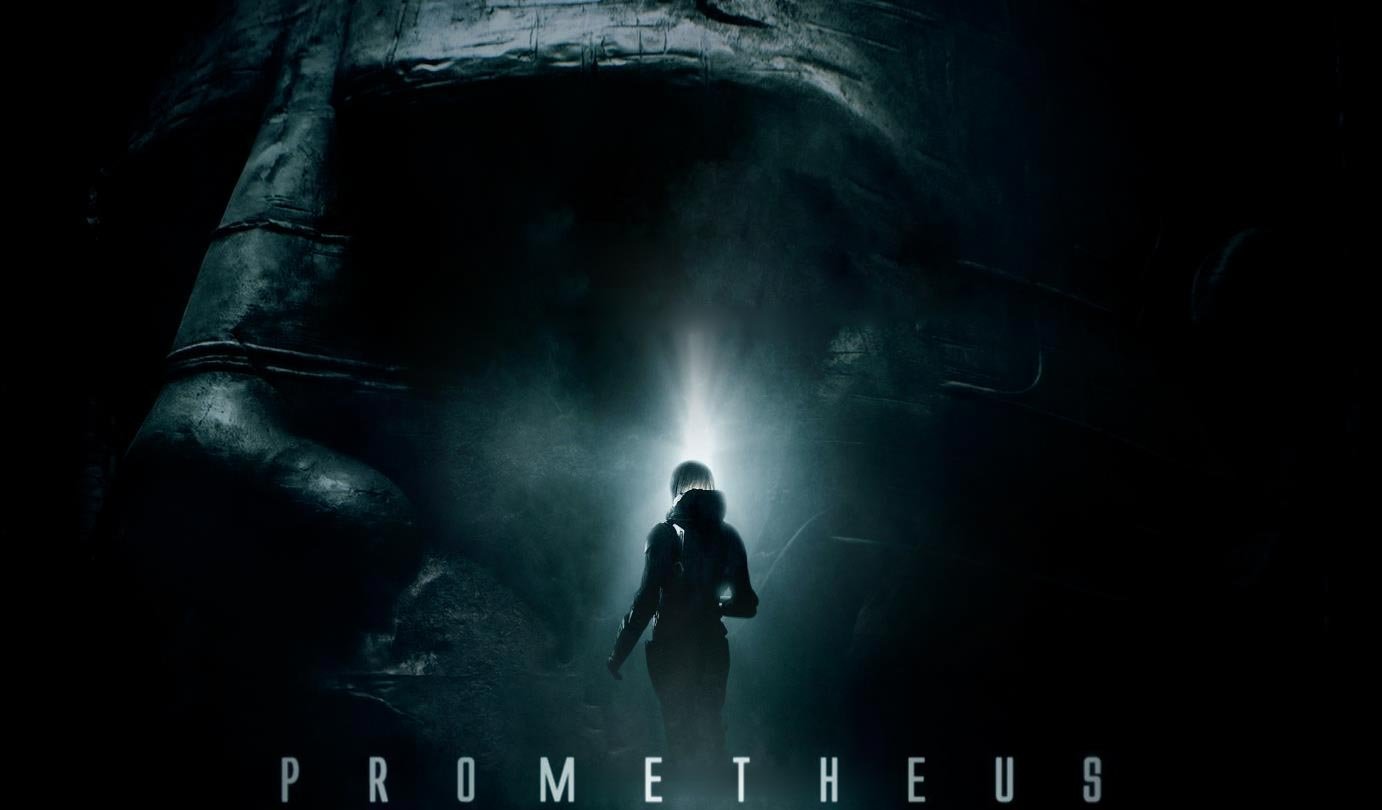
The Alien lineage never separated body horror from politics of autonomy: pregnancy terror, violation, consent ripped out of the conversation because the monster does not ask. Prometheus continues that tradition with set pieces designed to make you protective of bodily boundaries. Summaries on Wikipedia cannot convey the squirm. You feel it in the room with Shaw’s ordeal and the film’s refusal to look away politely. This is not gratuitous goo for giggles. It is thematic flesh. Flesh is where ideas bleed. Bleeding is on brand.
Dismissing these sequences as gross-out is a failure of reading. The story insists creation is bloody work, not a sterile metaphor. Idea-horror without flesh-horror becomes a TED talk. Flesh-horror without ideas becomes torture porn. The film tries, sometimes clumsily, to keep both online. When it wobbles, the wobble is pacing, not intent. Intent is mean. Mean can be moral if it aims at truth. Truth about bodies is rarely polite.
Gender dynamics on the ship intersect with corporate power: who is believed, who is sidelined, whose pain becomes plot fuel. I am not claiming Prometheus is a flawless feminist text. I am saying the franchise’s recurring anxieties about bodies and control are foregrounded rather than sneaked in as subtext only. That honesty matters even when the screenplay frustrates you. Frustration is not disqualification. Disqualification is for courts. Film is for mess.
Hot take: viewers comfortable with action violence but squeamish about reproductive body horror should ask themselves why one taboo is mainstream and the other is policed. The film exploits that discomfort on purpose. If you cringe, the scene is working. If you laugh, you might be desensitized in a selective direction worth examining. Examination is uncomfortable. Uncomfortable is the product.
Rewatch advice: notice how often male certainty precedes injury, and how often female endurance carries moral weight, then ask whether the film rewards that pattern or merely depicts it. Either answer keeps the movie interesting. Neither reduces to ew slime. Ew slime is a dismissal. Dismissal is lazy. Lazy is not a good look in a franchise about being eaten by your assumptions.
For franchise context, Ripley’s legacy casts a long shadow. Compare Shaw’s arc as belief-driven survivor versus Ripley’s pragmatic survivor. The series keeps testing different flavors of autonomy under corporate and cosmic pressure. The conversation is richer than stan wars allow. Engage it like an adult, not like a team jersey. Jerseys are for sports. Horror is not sports. Horror is physiology with politics attached.
Medical realism nitpickers should remember genre contract: the film heightens procedure for psychic effect, not for residency accuracy. That license annoys clinicians. It serves viewers processing fear through metaphor. Both reactions are valid. Only one belongs in a Friday night watch party. Pick accordingly and stop ruining popcorn with pedantry unless the movie claims documentary status, which this one never does. Never does is a blessing. Blessings are rare here.
If nothing else, respect that the film stages bodily stakes for Shaw as character, not as disposable shock. That choice has teeth even when the surrounding myth wobbles. Horror that anchors on a person beats horror that anchors on a wiki entry. Always has, always will. Wiki entries are for Monday. Bodies are for Friday. Friday hurts. Hurt is data.
Autonomy anxieties also show up in who gets to say no and who gets ignored. Ignored voices are a corporate theme and a gendered theme. Themes overlap. Overlap is how real life works. Real life is uglier than casting symmetry. Casting symmetry is a studio habit. Habits can be critiqued. Critique does not erase what the film attempts. Attempts matter. Attempts show intent. Intent is not execution, but it is not nothing.
Body horror in blockbuster space often gets softened for ratings and toys. Softening shows. Prometheus still pushes farther than many peers dared in 2012. Farther is not braver automatically. Here it is braver because it ties gore to meaning. Meaningless gore is pornography. Meaningful gore is argument, and argument will always divide an audience more cleanly than splatter alone. I will take that division over polite death every time.
The franchise’s recurring pregnancy metaphors are not accidental. They are central to its nightmare engine: forced hosting, forced birth, forced transformation. Transformation without consent is the moral stain. Stain lingers on the viewer’s mind longer than slime lingers on the floor. Floors get cleaned. Minds do not clean easily. That is horror winning. Winning is not pleasant. Pleasant is for rom-coms. This is not one.
Male characters also face body violation, but the film’s most charged focal points align with historical franchise obsessions about women’s bodies as battlegrounds. Battleground cinema is political whether it wants to be or not. Not wanting politics does not remove politics. Removal is fantasy. Fantasy is a genre next door. Next door is not here.
If you teach media literacy, use one scene as a prompt: ask what the film claims about who owns a body under corporate expedition conditions. Ownership is not abstract on a mission paid by Weyland. Weyland owns budgets. Budgets own risk. Risk lands on bodies. Bodies pay. Payment is horror’s oldest currency. Currency is cold. Cold is on theme.
Autonomy and violation are not checkboxes you tick for a term paper. They land as experience: the sense that a boundary you treat as private has been treated as public property by something larger than policy. The Engineers treat life like a workshop note. Weyland treats it like a contract clause. The film asks whether humans are any better when they confuse curiosity with consent. Consent is not just interpersonal. It is also cosmic. Cosmic consent sounds ridiculous until you realize the story is exactly about who gets veto power over a body. Veto power rarely belongs to the body in corporate myth. That is the critique hiding inside the slime.
If you walk away calling the body horror “just gross,” you may be protecting yourself from the film’s actual argument. The argument is that creation cultures reproduce coercion. Coercion scales from the medbay to the temple. Scaling is what makes the franchise linger. Monsters age out of fashion. Coercion does not. Coercion updates its uniform and keeps working. Working is the ugly word. Ugly words fit ugly scenes. Ugly scenes are not endorsements. They are indictments. Indictments sting.
So yes: autonomy, violation, body horror with a pulse, and the recurring anxieties that make “just gross” readings leave meat on the bone. The meat is political. The politics are embodied. The embodiment is why Prometheus belongs in the same family argument as Alien, even when the newer film’s tone irritates you. Irritation is a form of engagement. Engagement beats apathy. Apathy is the true opposite of horror. Horror wants you bothered. Bothered viewers pay attention. Attention is respect, even when respect feels like nausea. Nausea is physical. Physical is the point. The point is not to enjoy every frame. The point is to carry the frame in your body afterward. Afterward is where horror does its real job. The job is not to comfort you. The job is to ask what you believe about bodies, power, and who gets to say yes when the universe says no.
One more layer worth naming: comedy and camaraderie among the crew temporarily sells you the fantasy that bodies are safe because friendship exists. Friendship does not stop biology. Biology is the film’s rude guest at the dinner table. When the guest arrives, the film strips camaraderie down to who can still function while terrified. Function under terror is gendered in how it gets filmed, who is allowed to break, who is expected to hold. Expectation is not destiny, but camera grammar trains defaults. Defaults deserve scrutiny. Scrutiny is not automatic praise. It is closer reading. Closer reading is how you avoid turning a person into a symbol without noticing. Symbols are useful. People cost more.
If you compare Shaw to other women in blockbuster horror, avoid flattening her into “final girl” bingo unless you define terms tightly. She is driven by belief in ways that complicate the label. Complication is good for criticism. Bad criticism turns living characters into checklists. Checklists are for groceries. Groceries do not stare down creators. Shaw tries. Trying is messy. Messy is human. Human mess is what body horror protects when it refuses to sanitize suffering into a clean arc. Clean arcs are for television seasons. This is a movie that wants its stains visible.
That is the recurring anxiety in one image: stains that will not wash out because they were always political before they were red. Red is not only color. Red is consequence. Consequence is what the franchise sells under the monster suit. The suit fits many bodies. The politics fit many rooms. Watch accordingly.