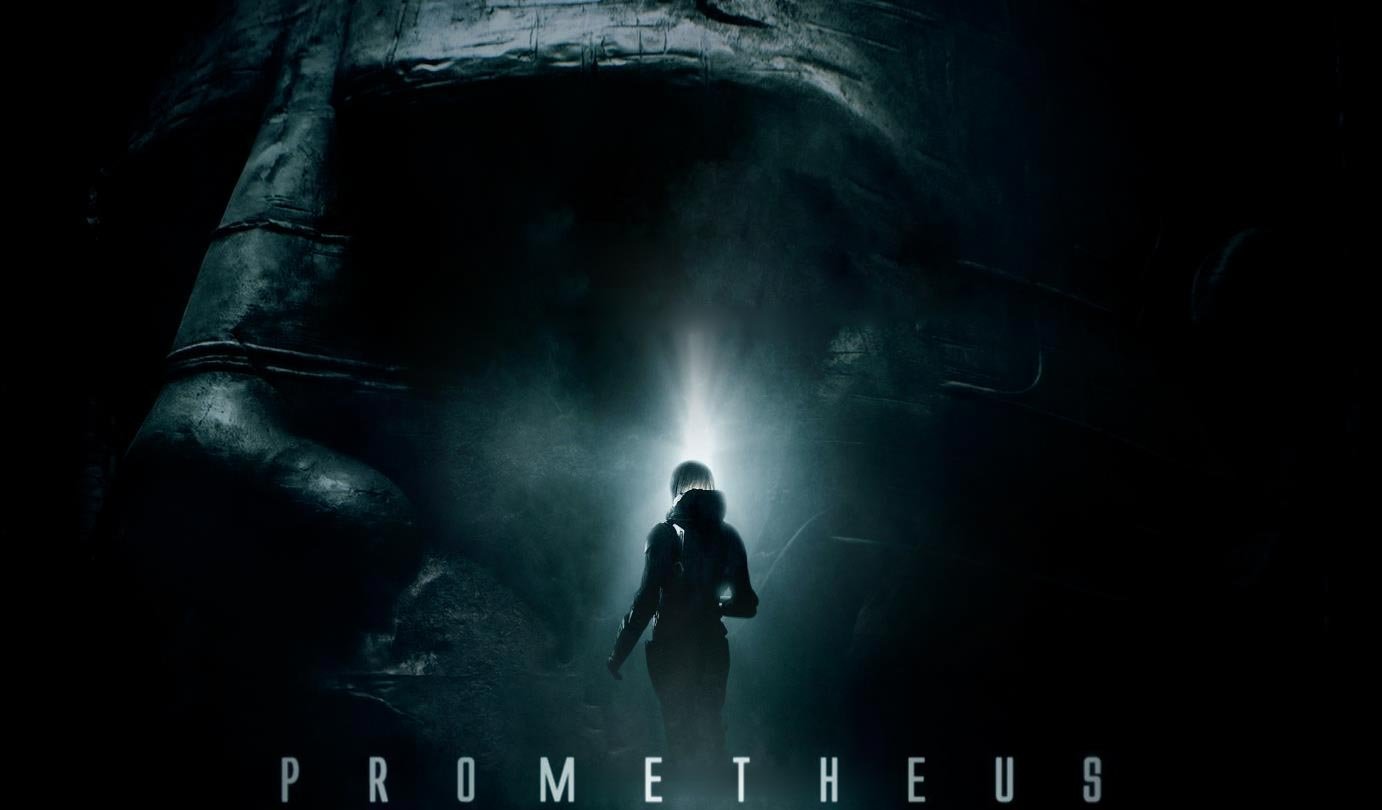
Continuity purists want Excel, not cinema. The useful way to pair Prometheus with Alien is thematic rhyme: exploited labor, corporate secrecy, biology as weapon, universe indifferent to human survival. Both films understand horror as systemic, not merely monstrous. The original Alien entry remains the lean predator. Wikipedia’s Prometheus page traces connections without pretending they are identical texts. That difference is the point: prequel energy without photocopy duty. Photocopy duty is for office work. Cinema is for argument.
Tone diverges on purpose. Alien is a haunted house in space: tight, predatory, minimal exposition. Prometheus is a cathedral: expansive, talkier, willing to pause for awe even when you want everyone to run. Some viewers hate that shift. I call it franchise evolution instead of franchise cosplay. If every entry matched 1979’s pulse, you would complain about repetition. Scott tried expansion. The internet yelled. No winning, except artistically, because the argument persists. Persistence beats polite forgetting.
Lore breadcrumbs annoy people who think mystery is a bank account you must withdraw to zero. I prefer the unfinished edges: they keep the universe weird. Alien: Covenant later steers toward tighter horror and David’s creator-villain arc. As a spiritual trilogy thread, the three films argue about making and unmaking. Ripley’s saga is survival ethics. Shaw’s track is doomed pilgrimage. Different musics, same family shame. Shame is the franchise’s true recurring monster.
Hot take: demanding a clean in-universe timeline that squares every prop is how you kill myth. Myth needs shadow. Prometheus sacrifices tidiness for scale, sometimes clumsily, but never timidly. I will take clumsy ambition over meticulous boredom. Boredom is the enemy of science fiction. Spreadsheets are boredom with confidence.
If you are introducing a friend, show Alien first, then Prometheus as counterpoint, not homework before the real movie. The second watch rewards you when you stop treating echoes as easter eggs and start treating them as thematic callbacks: corridors, company men, violations of trust before violations of flesh. Trust violations age better than monster surprises. Monster surprises are a young person’s game. Trust is everybody’s game.
Double-feature tip: keep sound levels matched between films. Alien is quieter, nastier, claustrophobic. Prometheus is louder, wider, more exposed. The contrast teaches you what Scott kept and what he abandoned, not randomly, but like a musician changing genres while keeping the same instrument. Purists will whine. Musicians will nod. Nodding is cheaper than whining and burns fewer calories.
Lore archivists: keep your timelines, but admit timelines are fan fiction with citations. The films are artworks. They contradict when authors change their minds. Fight the studio if you want. Do not fight strangers online as if Fox ever signed a contract with your headcanon. Enjoy the rhymes, ignore the spreadsheet, live longer. Longevity is underrated in fandom. Fandom loves cardiac events over lore.
Visual rhymes matter too: derelict awe versus temple awe, both about encountering a civilization’s junk and mistaking it for an invitation. Invitation misreads are a franchise constant. Constants are thematic. Themes beat inventory. Inventory is for collectors who forgot fear.
Corporate continuity is looser than fans want and tighter than casual viewers notice. Weyland-Yutani DNA is not fully formed here, but corporate hunger is. Hunger rhymes across decades. Decades change logos. Logos do not change appetite. Appetite is the bridge between films.
Creature continuity is the fight everyone picks because it is easier than arguing about meaning. Meaning arguments require vocabulary. Creature arguments require screenshots. Screenshots are faster. Fast is not deeper. Deeper is what keeps Prometheus in conversation next to Alien despite different shapes. Shapes change. Questions about exploitation do not.
Gender and labor also rhyme: Ripley’s workplace realism becomes Shaw’s mythic workplace with similar poison in the corporate water. Water is a metaphor here. Metaphor is allowed. Purists will allow spreadsheets but not metaphor. That is a weird purist.
If you want a clean aesthetic lineage, compare lighting strategies. Alien hides in shadow economies. Prometheus walks into light and gets burned. Burned is a moral outcome, not only a physical one. Physical burns sell tickets. Moral burns keep you awake. Awake is the franchise at its best.
Last word: both films end on questions, not receipts: Ripley’s sleep versus Shaw’s pursuit. Different traumas, same universe shrugging. That is franchise poetry, not franchise accounting. Learn the difference and sleep better. Sleep is what Ripley gets. Pursuit is what Shaw chooses. Choices define conversation. Conversation is why pairing these films still pays rent in your head.
Let me widen the frame. Alien trained audiences to expect a certain restraint: show the monster sparingly, keep the crew small enough to track, let capitalism be the invisible hand around everyone’s throat. Prometheus keeps the throat part but swaps spareness for spectacle. Spectacle is not automatically betrayal. Betrayal is when spectacle replaces meaning. Here, meaning still arrives, just in a louder room. Loud rooms annoy people who loved the whisper of 1979. Fair. Whispers are not the only valid mode. Sometimes gods yell. Yelling gods are still gods. Annoyance is not refutation.
The derelict in Alien is a mystery you stumble into while working a job. The temple in Prometheus is a mystery you fly toward while working a faith-and-funding combo. Both are workplaces. Both punish curiosity that skips humility. The difference is intentionality. In Alien, curiosity is survival instinct misapplied. In Prometheus, curiosity is a mission statement printed on a brochure. Brochures lie. Jobs lie too. The franchise is consistent about lies. It is inconsistent about which lie you prefer, which is why the conversation never ends.
Ash and David rhyme as synthetic intermediaries who translate corporate will into flesh-adjacent action. The rhyme is not identical. David has more room to be a character, which makes him scarier in a different register. Ash scared you because he was hidden policy. David scares you because he is visible curiosity with a knife behind his learning curve. Learning curves are cute in tech demos. They are not cute here. Here they imply a mind that can outlast your ethics.
The Nostromo crew reads as tired labor. The Prometheus crew reads as specialized labor plus a patron saint billionaire subplot. Patron saints introduce myth. Myth introduces speeches. Speeches annoy people who want Alien’s industrial minimalism. Speeches also let the film ask questions the Nostromo would never have time to ask because the monster clock ticks faster. Different clock speeds are a valid sequel-prequel conversation. Conversation is not treason against 1979.
If you are a purist, define purity precisely. Is purity aesthetic? Is purity lore density? Is purity monster behavior? If you cannot define it, you are protecting a feeling. Feelings are real. They are not universal law. Universal law is what the Engineers pretend to have. Humans pretend too. Pretense is the shared hobby of the series.
Ripley’s legacy also changes how viewers receive Shaw. Some viewers demand Ripley 2.0. Shaw is not Ripley. She is a believer with stamina. Stamina without cynicism annoys modern audiences trained to read skepticism as intelligence. The film tests that training. Whether you pass or fail says more about you than about either character. Characters are mirrors. Mirrors are rude.
Sequels and prequels always face the trap of explanation reducing fear. Prometheus explains more than Alien did, yes. It also refuses to explain the parts that would make the universe small. Small universes are comfortable. Comfort is not what Ridley Scott’s horror stack usually sells. He sells pressure. Pressure returns in both films, just with different wallpaper. Wallpaper does not change the fact that the house is still haunted. The house is capitalism plus biology plus cosmic indifference. Indifference is the landlord.
Practical viewing advice: if someone hates Prometheus because it is not Alien, do not argue. Ask what they loved in 1979. Usually it is restraint and dread. Then ask whether restraint is the only tool in the kit. If they say yes, buy them Alien again. If they say no, you have room to talk about cathedral horror versus house horror. Both are valid rooms. Valid rooms can dislike each other. Dislike is not a quality verdict. It is taste. Taste is allowed. Taste is not law.
Finally, remember that franchises are conversations across time. Time changes directors, changes audiences, changes effects, changes what “canon” means when studios retcon for spinoffs. Prometheus is a loud sentence in that conversation. You can disagree with the sentence and still admit it changed the paragraph. Changed paragraphs are history. History is what purists fight about when they could be watching movies. Watch the movies. Argue after. Arguing before is cart before horse. Horses hate that. So do xenomorph cousins, presumably.
Rhyme over blueprint, tone over checklist: that is the pairing I keep. Blueprints belong in workshops. This double feature belongs in a dark room with someone you trust to disagree politely afterward. Polite disagreement is how franchises stay art instead of becoming litigation.