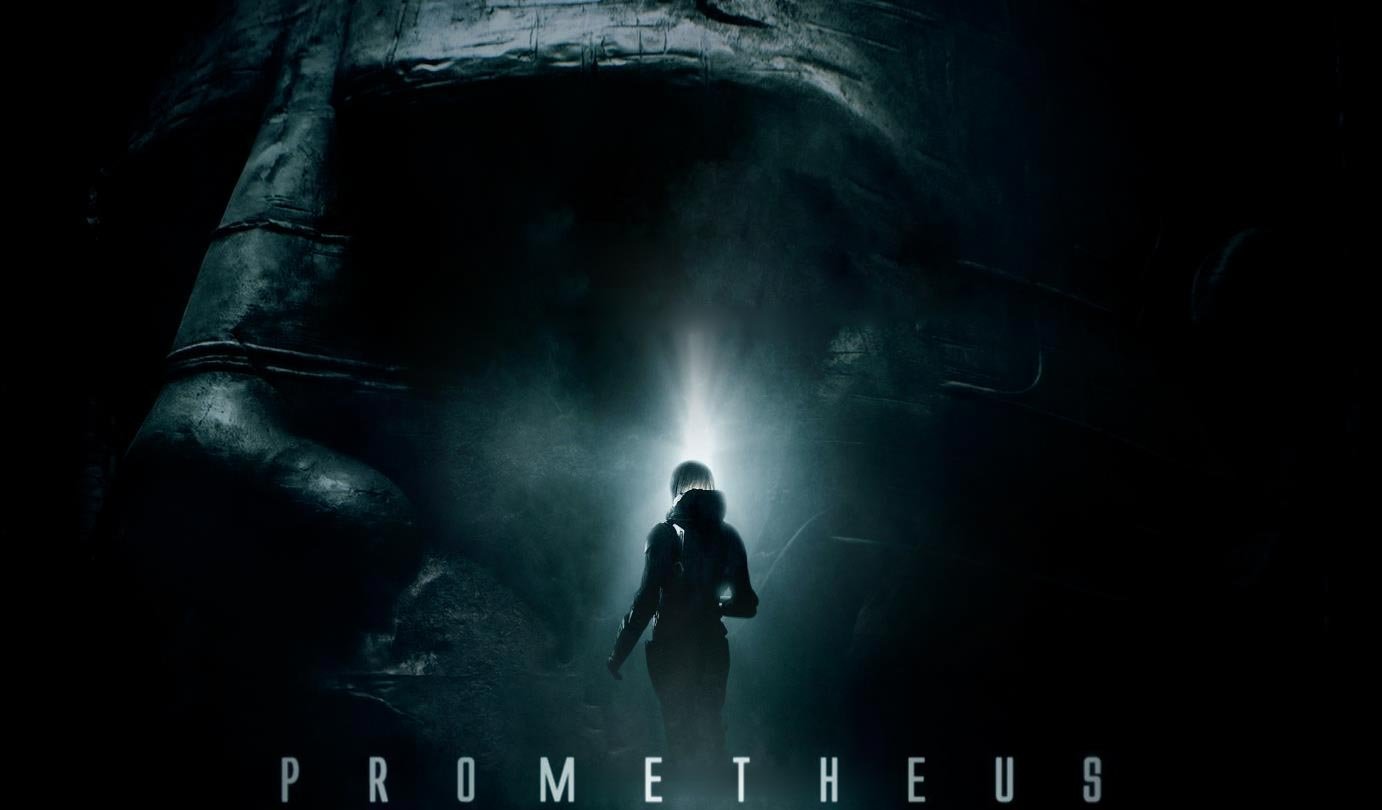
Strip the franchise chrome and Prometheus is a nasty little family drama: children hunting parents who view them as mistakes. The Engineers are not cuddly designers. They are a civilization with policy. Weyland is not a wise patriarch. He is a billionaire buying another dawn. The film’s cosmic scale is a magnifying glass on intimate fears: abandonment, shame, learning your origin was transactional. Plot summaries on Wikipedia gesture at religious symbolism. The emotional engine is simpler and meaner: nobody owes you love, not even your makers. Makers owe you nothing. That is the sting.
Corporate power threads through as more than set dressing. The expedition is a balance sheet with souls attached. When leverage shifts, ethics bend. That is not cynicism. It is observation. The movie trusts you to notice who gets briefed, who gets lied to, who is disposable. If that feels heavy-handed, look at the last decade of tech-capital headlines and tell me the film exaggerated. Exaggeration is a charge. Reality is a receipt.
Scientific hubris gets a nuanced treatment, rare for popcorn cinema. The story does not anti-science. It anti-arrogance. Mapping is not understanding. Contact is not consent. Characters who confuse data with moral safety die first because the narrative punishes certainty, not curiosity per se. That distinction matters. Anti-intellectual readings of the film are lazy. It is pro- humility, which is different. Humility is harder to sell than cynicism. The film sells humility by force.
Theology nerds can fight about Engineers-as-angels. I care more about the emotional sting when answers arrive and they are contemptuous. That is a darker beat than monster jump scares: the universe answering your prayer with a shrug or a fist. Few blockbusters risk making humanity look small and unsympathetic in the eyes of the divine. This one does both. Both hurts. Hurting both is thematic ambition even when execution wobbles.
If you wanted comforting humanism, wrong film. Prometheus suggests creation is dangerous, parents are flawed, and corporations will monetize your quest for meaning. Bleak? Sure. Inaccurate? Come on. The themes aged into relevance instead of out of it, which is the opposite of disposable sequel fodder. Disposable sequel fodder tells you the universe loves you if you buy the next ticket. This film suggests the universe might invoice you.
Connect the dots to real-world creation debates, AI, genetics, corporate innovation, and the film stops feeling remote. Engineers as indifferent coders maps cleanly onto Silicon Valley god-complexes. Weyland as immortalist maps onto billionaires who confuse net worth with worth. Prometheus is not a documentary, but its cynicism about who gets to play god tracks unsettlingly well with headlines you can pull from any tech tabloid. Art does not need to predict the future to sting. It needs to exaggerate the present honestly enough that you squirm. Squirm is engagement.
Faith readers versus atheist readers both claim the film as evidence. That split is funnier than any one-liner in the script. The movie is not a sermon. It is a stress test. Bring your worldview. The Engineers will still look through you like glass. That is the closest thing to democratic cinema a prequel can offer: contempt available to all belief systems. Equal opportunity contempt is still contempt. Contempt is thematic fuel here, not an accident.
Parent-child cruelty also maps onto Shaw’s arc with painful clarity. She wants a conversation with creation. Creation treats her like an experiment. The film asks whether wanting parents to be good is itself a kind of hubris. That question is mean and worth asking. Mean questions make better science fiction than comfortable answers. Comfortable answers belong in pamphlets.
David’s arc complicates the parent theme by introducing a synthetic child who watches his makers with cold curiosity. Creation inside creation: humans make an android, Engineers make humans, everyone argues about authority while biology laughs. The ladder of arrogance is the real monster. Monsters with teeth are just illustrations of the ladder’s bottom rungs.
If you teach theme, ask students to track who speaks about “knowing” versus who admits uncertainty. The script rewards uncertainty rarely and punishes false certainty often. That pattern is ethical even when characters sound clunky stating it. Clunkiness is the price of blockbuster clarity. Subtlety is not always available when you need a summer audience to hear the idea in one noisy theater pass. One pass is all some viewers give.
Cruelty of answers is also about partial answers. The film gives you enough to feel betrayed and not enough to feel safe. Partial knowledge is how real science often feels in public life: enough to fear, not enough to control. Control fantasies kill interesting stories. This story prefers fear with homework. Homework is impolite. Impolite is on brand.
Corporate myth merges with religious myth in Weyland’s mouth. He speaks like a prophet with a stock ticker. That fusion is the film’s joke about modern transcendence: salvation as venture capital. Venture capital wants returns. Returns in this universe are measured in species-scale outcomes. Outcomes do not care about your TED talk.
Gendered angles on creation show up too, not as a lecture but as consequence. Bodies remain the site where abstract ideas become wounds. Wounds do not care about your thesis. Thesis meets wound is where the film stops being clever and starts being cruel. Cruel here is honest. Honesty in blockbuster theme work is rare enough to celebrate even when you dislike the package.
So creation, cruel parents, corporate entitlement: the argument holds. The film is about receipts everywhere, about learning that receipts do not love you back. Love is a human demand placed on a universe that runs on indifference. Indifference is not evil in the moral sense. It is worse. It is absence of care. Absence of care is what the Engineers project. Projection meets human need, and the collision is the story. The story is still arguing thirteen years later because absence does not resolve. Resolution is for sitcoms.
Another thematic thread worth spelling out: hospitality versus invasion. The crew treats the temple like an invitation because their worldview demands it. The temple treats the crew like contamination because its worldview demands it. Neither side is purely right. Both sides are arrogant in different registers. Arrogance as a shared human condition is more interesting than villains who twirl mustaches. Mustaches are rare in helmets. Arrogance is not.
The black goo and related bio-weirdness are not just plot fuel. They are metaphorical extensions of creation without consent. Consent is a human moral frame placed on a non-human process. The film keeps returning to that mismatch. Mismatch is where horror lives. Horror that explains every mechanism becomes engineering. Engineering is not scary unless you fear bridges. Most people fear bodies more than bridges. Bodies are the film’s bridge to theme.
If you dislike how openly characters debate meaning, ask whether you dislike debate or dislike the script’s specific lines. Those are different criticisms. Debate as structure is valid for a film about meeting makers. Makers demand language. Language fails. Failed language forcing debate is recursive in a useful way. Useful recursion is rare in summer movies. Summer movies usually recurse into quips. Quips are safer. Safety is not this film’s religion.
Immortality hunger in Weyland also rhymes with corporate time horizons: extend the CEO, extend the mission, extend the myth. Extend everything except humility. Humility has no line item. Missing line items kill expeditions faster than aliens do. Aliens are just the universe’s way of saying you skipped a budget category called respect.
Finally, the cruelty of answers includes answers that arrive too late. Late answers punish curiosity by making it feel like a trap. Traps are thematic because the film argues that knowledge without wisdom is a weapon you aim at yourself. Self-aimed weapons are the human specialty in this universe. The Engineers might disagree, but they are not handing out comment cards. Comment cards are for Earth businesses. Earth businesses are the film’s smaller, pettier mirror of cosmic indifference. Indifference scales. That is the darkest joke in the whole theme stack.
Keep one question in your pocket after the credits: did the film make you angrier at the Engineers, at Weyland, or at your own need for a clean origin story? Your answer is the thematic Rorschach. Rorschach tests annoy people who want keys. Keys are for doors. This film leaves you in a hallway. Hallways are scarier than doors when you hear something breathing that is not you.
That is the cruelty of answers in one image: you asked for a door. You got a hallway. The hallway is still an answer. It is just not the answer your ego ordered. Egos order a lot in this film. The universe delivers anyway, postage due.