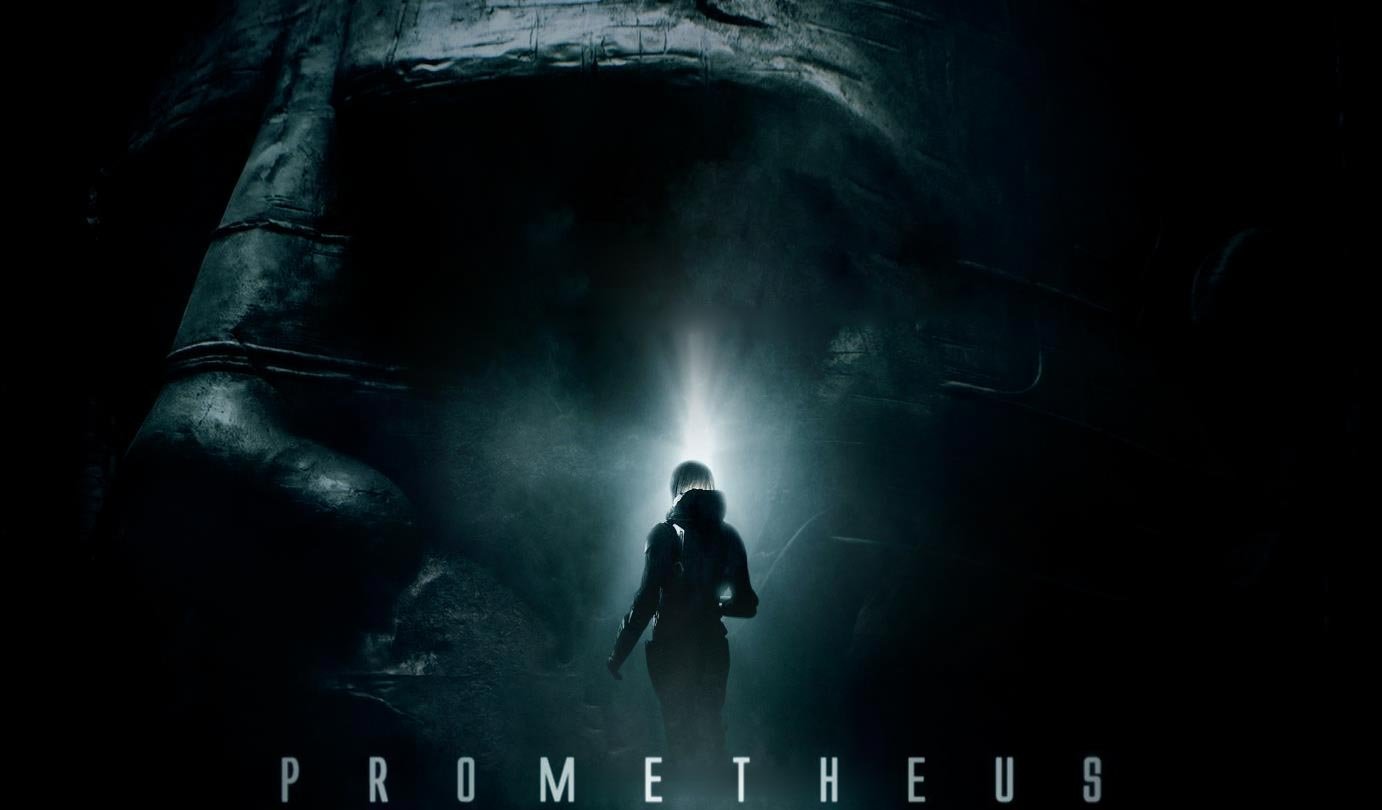
Stop treating Prometheus like a crossword. You will finish annoyed because the puzzle makers left blanks on purpose. Orbit it twice: first for plot, second for pattern. Track light against contamination, maps against traps, intelligence against appetite. Notice David watching the crew the way a sculptor studies marble: curious, proprietary, already finished in his head before you consent. The opening’s cosmic imagery asks what creation looks like when it is casual, experimental, bored. That is nastier than a monster jump because it implicates your own makers: parents, bosses, gods, take your pick.
If you need external anchors while you calibrate, cross-check basics on Wikipedia and cast facts on IMDb, then put the phone down for the second watch. Reference sites will not tell you how the film feels at 2 a.m. with headphones: big, lonely, arrogant, sad. Feeling is private data. Private data is worth more than public facts for this kind of movie.
The closing question is not “did they explain the black goo?” It is “what do you believe about makers who look at you and see a test tube?” Your answer shapes whether the film is profound or pretentious. I think that audience-specific outcome is excellent design, even when execution wobbles. Art that lets you project is not weak. Weak art leaves nothing to project onto because it already insulted your intelligence with clarity no adult needs. Clarity can be an insult when the subject is cosmic. Cosmic subjects deserve elbow room. Elbow room is not laziness. It is respect for your brain.
When credits roll, you should feel less like you filed a report and more like you survived a briefing that caught fire. That is the most honest metaphor the movie offers for science under capitalism and ego. If you wanted cozy reassurance, watch something else. If you wanted a summer blockbuster willing to risk boos, you are in the right temple. Take another orbit. Argue with a friend. Buy better speakers. Leave the helmet meme in 2012 where it belongs. Memes are training wheels. Training wheels are for kids. You can pedal now.
Land when you are ready, but leave one question airborne on purpose. That is how myth stays alive while manuals go stale. Prometheus chose myth, and thirteen years later people are still talking, which is the only scoreboard that matters once the opening-weekend column freezes. Accountants close books. Audiences carry arguments. Arguments keep a film breathing longer than consensus ever does.
If you must spreadsheet something, track how many summer movies since 2012 triggered this many op-eds without a cinematic universe mandate forcing the conversation. The list is shorter than studios want to admit. That is why erasing Prometheus from genre talk would make the whole neighborhood poorer, whether you personally like the film or not. Orbiting again is not indecision. It is patience tuned to what the movie actually does, which includes long stretches where the “plot” is someone thinking while a room tries to kill their assumptions. On a second pass, spend part of your attention on David’s micro-reactions. They often tell you where the real pressure is hiding while humans argue about maps.
Share the film with someone who hates it and argue politely afterward. That is one of the best use cases it offers. Movies that end conversations are TV dinners. Movies that start fights about meaning are one reason theaters existed in the first place. Prometheus is a fight-starter, and I mean that as praise. You do not have to like it to respect what it starts. If your time is an investment, the return here is not comfort. It is insight, irritation, awe, disgust, something sharp enough to remember next week. Forgettable blockbusters pay nothing back. This one still pays interest in late-night texts.
When you land, leave one thread deliberately unresolved about the Engineers, about David, about your own appetite for answers. Let it itch. Itch is why you come back. Closure is for taxes. Myth is a different kind of real: it stays open on purpose because openness is how a story keeps breathing once the runtime ends. That demand for adult thinking will annoy viewers who want ribbons on every mystery. Fair. Not every film is for every appetite. This one is a challenge more than a gift, and challenges train attention the way gym work trains muscle. Skip the work and you get a thinner experience. Do the work and the rewatch value shows up where the first pass could not see.
On the first orbit, follow the money in dialogue: who speaks with certainty, who gets punished for it, who mistakes a map for permission. The film taxes confidence more heavily than curiosity, and it repeats that pattern until it becomes a moral weather system. If the middle feels slow, ask whether you are resisting a tone that refuses to behave like a single-flavor soda. Marketing sold a prequel. The movie keeps reaching for myth. The tension between those two products is audible in almost every act. You are not crazy if you feel two movies sharing one shuttle. You are paying attention.
On the second orbit, treat backgrounds like evidence in a case against human arrogance. Murals, smirks in briefing rooms, small choices about helmets and quarantine logic: the film leaves breadcrumbs for a viewer who is willing to indict characters without mistaking indictment for writing failure. Some viewers enjoy watching hubris collide with reality. Others resent the script for making specialists behave like people. Your reaction maps your ethics at least as much as it maps the film’s quality, and that is part of why the conversation stays alive. Quality fights can go forever. Ethics fights go even longer because they follow you home.
Landing procedure, if you want a literal checklist: slow down before the third act, accept you will not catch everything in one pass, and give the sound mix enough respect to do its job. Good playback is not snobbery for this title. It is part of the storytelling. When you are ready, touch down. Leave one question in the air on purpose. That is how myth survives while manuals go out of print. Manuals want closure. Myth wants return. Return is the only scoreboard that still counts once the box office column freezes. If you remember the film as a night that started a fight about meaning, you used it correctly. If you remember it as a crossword you could not finish, try another orbit. The blanks were never the error. The error was treating blanks like mistakes.
A few concrete habits help if you want the second orbit to feel different instead of merely repeated. Pause on the wide shots long enough to read the room as a character. Notice who stands closest to power in group frames, who is pushed to the edge, who is framed alone inside a helmet while everyone else huddles. Those choices accumulate into a silent argument about hierarchy, belief, and who the film thinks is disposable. Disposable characters are a moral statement in horror even when the script does not hand everyone a full arc. You can dislike the distribution of screen time and still learn from how clearly the camera marks pecking order.
Another habit: whenever someone says they “know” something about the Engineers or the mission, treat it like a weather forecast in a horror movie. Forecasts exist to be wrong. Wrongness is not always sloppy writing. Sometimes it is the film testing whether you confuse confidence with safety. Safety is a fantasy sold by briefings. Briefings are corporate storytelling. Corporate storytelling collapses faster than stone when the temple wakes up. Watching that collapse twice lets you enjoy the irony without needing to win a debate about realism. Realism is not the only axis. Myth and satire live here too, sometimes in adjacent scenes.
If you are the kind of viewer who likes companions, sync watches can be surprisingly good for this title because the film’s questions thrive in conversation. You will disagree about whether Shaw’s choices are brave or foolish, whether David is fascinating or too much, whether the third act earns its acceleration. Those disagreements are features. They mean the film is doing something richer than delivering a single consumable takeaway. Consumables finish. Arguments linger. Linger is what you want from a movie that pretends to be about eternity while secretly being about human impatience.
You do not owe the film lifelong devotion, only a fair viewing setup and enough patience to let it be what it is. If it still misses you after that, fine: taste is real. What I push back against is the habit of treating it like homework with a hidden answer key. There is no key, only orbit, landing, and whichever question you decide to keep carrying. Good questions outlive spoilers. Dread is what still lands when you already know what is coming, and that is one sign of craft worth revisiting on your own schedule.