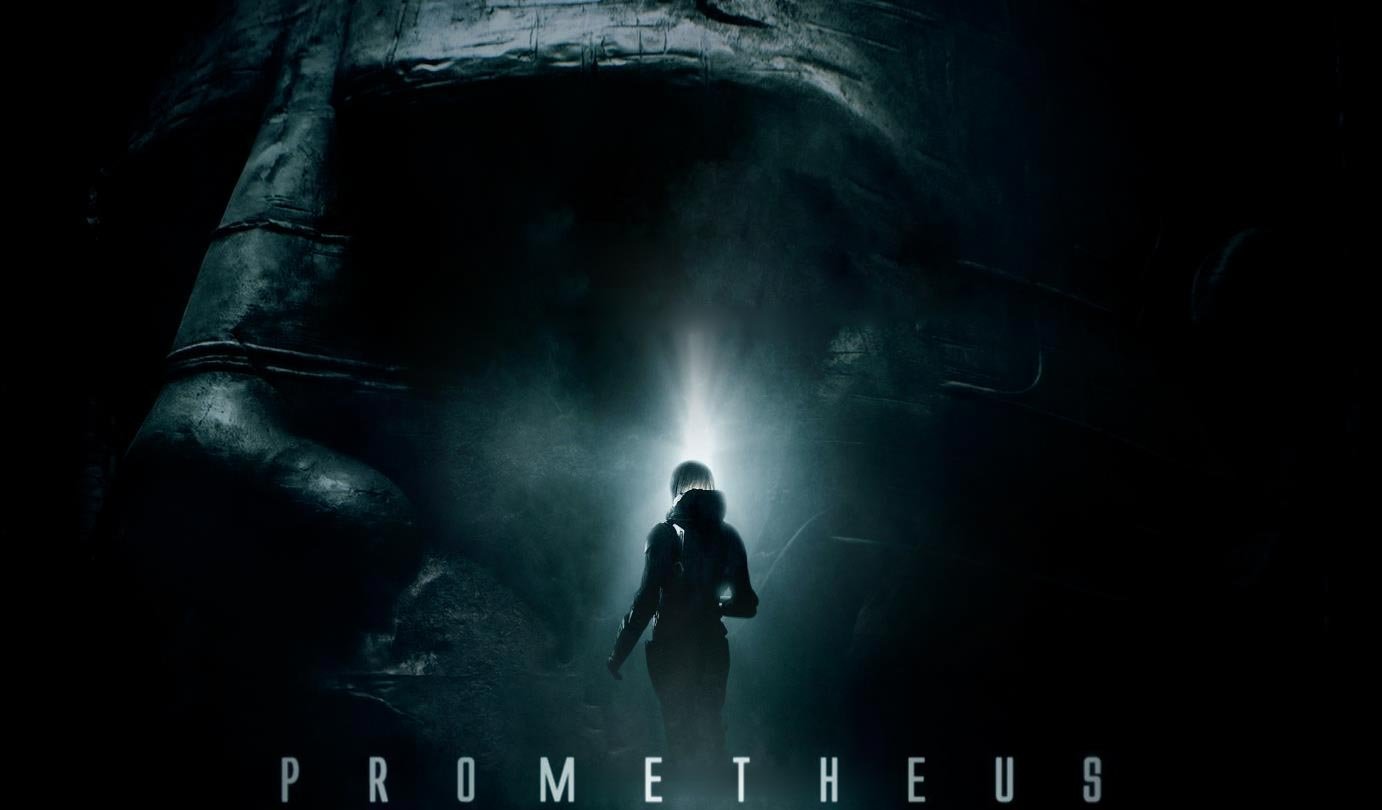
Prometheus sells scale because it buys it with mileage. The exteriors on LV-223 do not look like a texture artist’s first pass at “alien gravel” because legs actually crossed hostile ground: wind that slaps, slopes that punish ankles, light that refuses studio politeness. Production write-ups and the filming section on Wikipedia sketch the geography—Iceland for primordial crust, the UK pipeline for everything too heavy to fly—but the trivia that matters is experiential. You can feel when actors are cold for real. Cold for real reads as cosmic indifference without a line of dialogue. Dialogue would only cheapen it.
Pinewood and its ecosystem of stages matter as much as the passport stamps. Temple interiors are not location tourism; they are carpentry theology: corridors long enough to lose hope, ceilings tall enough to imply you were never the audience, only the specimen. That is blockbuster money spent on presence, not on a monster popping out every ninety seconds. Scott’s late-career patience shows up as architecture first. Architecture is the slow scare. Slow scares finance rewatches better than jump cuts because they train your eye to distrust empty space.
Second-unit DNA is the unsung trivia category. The film’s sense of expedition comes from cutaways that behave like field notes: vehicles crawling, suits laboring, weather bullying equipment. Those shots are not “padding.” They are the movie insisting that discovery is logistics, and logistics is vulnerability. When the third act accelerates, you carry that memory of effort in your body. Body memory is why some viewers forgive tonal whiplash and others never will. Both camps are reacting to the same production truth: the film earned heaviness before it earned chaos.
Iceland’s contribution is not “pretty rocks.” It is geological argument. Basalt, steam, skies that look like the planet already resents you—the visual language matches the Engineers’ indifference before you meet one. Matching location to theme this bluntly is old-fashioned in the best way: let the world do metaphor work so actors do not have to speechify it. Purists who want every beat explained in dialogue are asking cinema to behave like a manual. Manuals do not sweat. Basalt does.
Stagecraft trivia worth collecting: watch thresholds. Every time a character crosses from “human interior” to “alien interior,” notice how sound, temperature, and stride length change. Those transitions are hybrid products of set design and location plates. When the blend fails in lesser films, you feel the green void. Here the blend mostly holds because the production prioritized contact points—boots on stone, gloves on slime, visors fogging—before it trusted digital extension to carry the shot. Extension is seasoning, not soup.
Weather as uncredited department head is classic Scott weather. Wind is not atmosphere; it is antagonist. Rain and grit are not mood boards; they are narrative friction. If you want a single collector’s challenge for this category, rewatch with an eye for how often the environment refuses to cooperate with the mission briefing. Briefings assume control. Locations withhold it. Withholding is the film’s honest relationship to science under hubris.
The ship-side material benefits from the same philosophy inverted: interiors feel machined, lit, and pressurized. The contrast is trivia you can teach a friend in one sentence—when they go outside, the movie gets mean; when they go inside, the movie gets political. Politics indoors, weather outdoors. That dual structure keeps the blockbuster legible even when the mythic plot resists spreadsheet energy.
If you travel to film tourism spots, remember the screen is a liar in the noble sense. Iceland will not match frame-for-frame because cinema is collage. Collage is not deception; it is concentration. Concentration is why standing on a volcano still feels like touching the film’s nervous system. Nerves are what location work is really recording—not just pixels of scenery, but proof that human bodies once stood where the story claims we dared to stand.