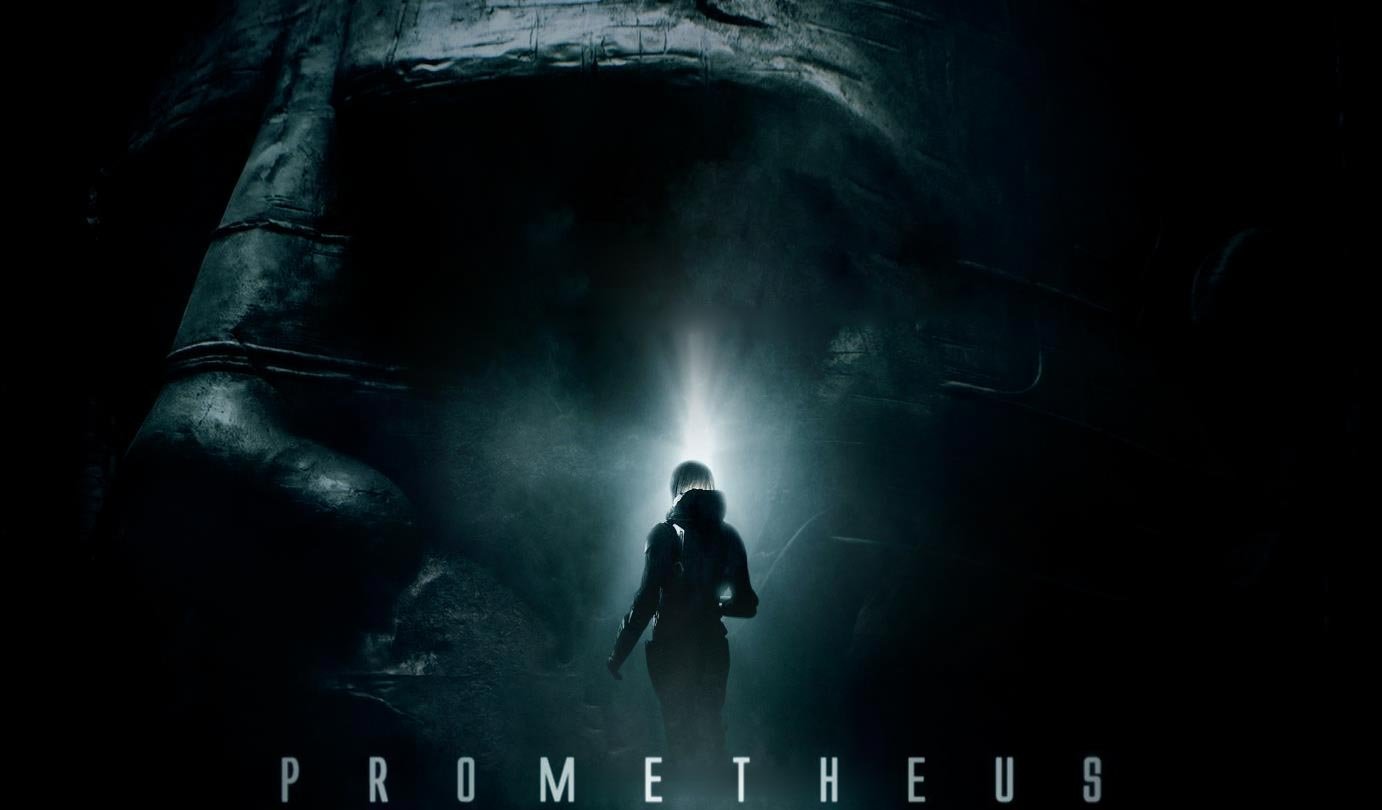
Before the opening weekend, Prometheus already had homework—if you wanted it. TED 2023, corporate websites, short films dropped like trail markers: not required reading, but impossible to ignore if you lived online in that window. This is transmedia trivia with teeth. The film proper still plays without the extras, which is the correct baseline for cinema. The extras nonetheless shaped expectations, canon arguments, and the sense that Weyland was a character before Peter Weyland’s body entered a frame. Character before body is on-theme for a movie about creators who withhold their faces.
The TED-adjacent short is a tone smuggler. It sells futurist swagger, TED cadence, applause as liturgy—then hands the feature film a poisoned chalice: belief as performance, wealth as prophecy, science as stagecraft. If you only meet Weyland inside the movie’s slower burn, you still get the arc. If you saw the stage first, you arrive already suspicious of his microphone voice. Suspicion is a different seat in the same theater. Both are valid. That split is why viral prologues age into fascinating artifacts instead of mere ads.
Corporate-fiction websites are collector catnip: logos that imply org charts, copy that mimics investor optimism, dates that dare you to reconcile timelines. Hardcore fans treat them like evidence lockers. Casual viewers ignore them and wonder why the movie feels “dense.” Density is partly engineered by marketing choosing to world-build in tabs and pixels. Tabs are not a replacement for storytelling on screen, but they are a record of how late-capital mythmaking actually works: brand first, confession never.
Trailer culture around this title is its own essay, but the trivia angle is simple—studios trained audiences to expect answers, and Scott’s marketing often promised atmosphere instead. Atmosphere-as-promise creates a uniquely brittle contract. Brittle contracts snap loudly on social media. Snapping is not always failure; sometimes it is the sound of a film refusing to behave like a checklist. Checklist cinema ages like milk. Argument cinema ages like whiskey. Whiskey burns. Burns keep people talking.
The useful viewer habit here is triage: treat viral pieces as optional director’s footnotes, not keys to a puzzle that “unlocks” the theatrical cut. The theatrical cut is the instrument. Footnotes tune intonation. Intonation changes how you hear Weyland’s entitlement, how you read corporate insignia, how you interpret David’s smiles as product design. Product design is horror when the product is consciousness.
If you archive-hunt, save sources the way historians save clippings—pages die, redirects rot, platforms delist. Rot is why personal libraries matter for this era of film. For a snapshot of what trades and wikis summarize today, cross-check Wikipedia’s marketing section and follow outward links while they still breathe. Breathing links are temporary miracles. Miracles are worth bookmarking.
The deeper trivia reward is thematic, not collectible: the campaign asked whether you trust institutions that speak in TED cadence. A decade later, that question only got louder. Loud questions are why certain marketing ages into accidental documentary. The film wanted to argue about creators. The runway ads argued about presentation of genius. Presentation and creation collide in the feature until something breaks. Breaking is the genre beat you paid for.
Last gripe, friendly: do not bully friends for “not doing the ARG.” Gatekeeping is how fandom curdles. The movie must stand alone. Alone is the theatrical contract. Everything else is weather around the launch. Weather is interesting. Weather is not the island.