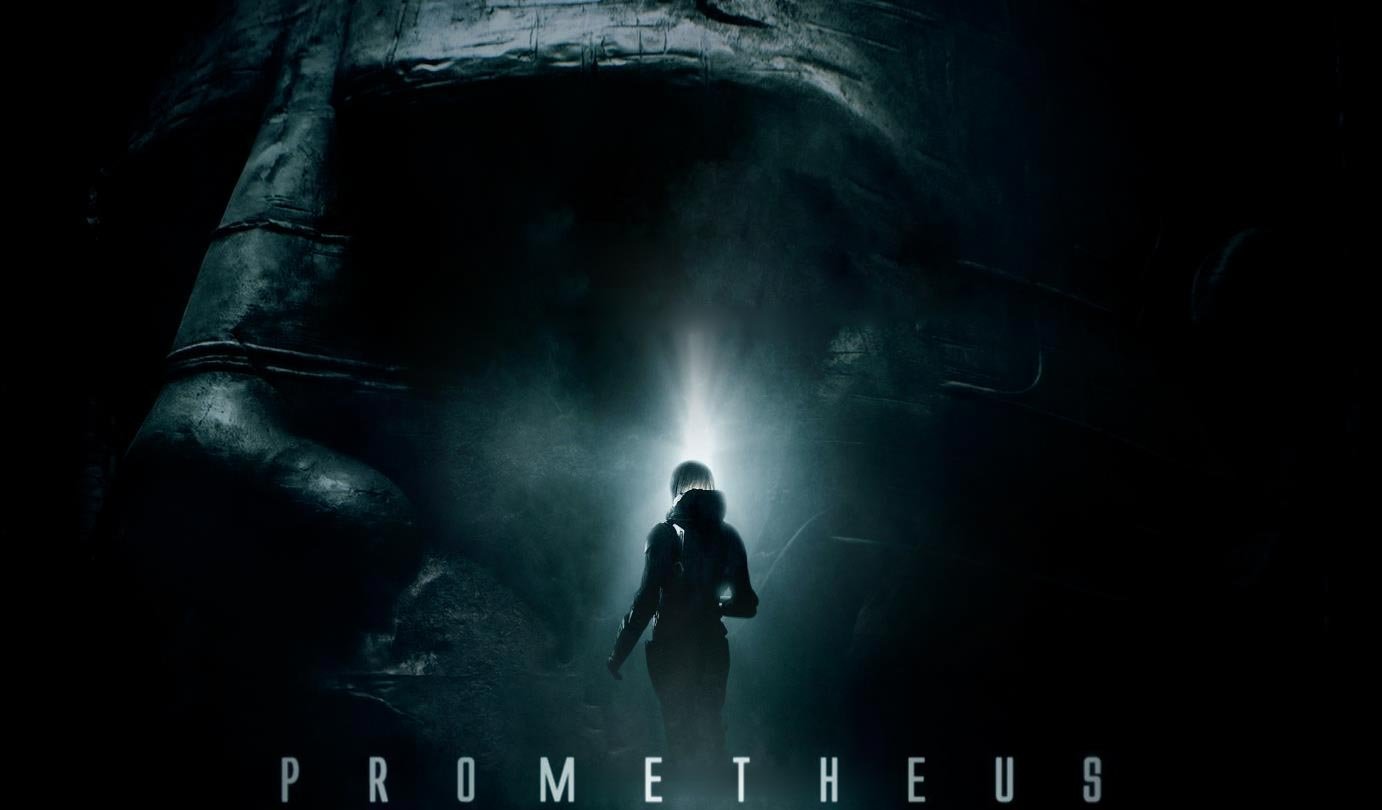
Home video used to be a second premiere. For Prometheus, discs and later streams carried alternate pacing, extra connective tissue, and moments that explain why some viewers swear they “saw a different movie” than their friends did. This is the trivia aisle: not which cut is “right,” but which cut you watched, on what display, with what expectations. Expectations are a hidden codec. Codecs change color, grain, and whether slime reads as gross or goofy. Goofy and gross are adjacent cousins in body horror. Cousins fight at holidays.
Extended editions are rarely “truer.” They are parallel drafts with different virtues: more breathing room for character beats, sometimes more explicit gore or mythology, sometimes rhythms that sag because theaters punish sag. Theatrical discipline is an art of triage. Triage leaves blood on the cutting-room floor on purpose. Purpose is not cruelty to fans; it is respect for a stranger’s bladder and patience. Patience is finite. Finite patience is why some treasures belong on disc.
Deleted scenes as a category teach you how films think in layers. A trimmed moment might clarify motivation—or might rob a mystery of oxygen. Oxygen management is why editors exist. Editors are not enemies of directors; they are the last writers in the chain. Chain links matter. When you watch an extra that “answers” a question, ask whether the answer improves dread or only satisfies curiosity. Curiosity is cheap. Dread is expensive. Prometheus spends both currencies unevenly on purpose.
Practical trivia hunting: commentary tracks, making-of documentaries, and trade interviews sometimes disagree. Disagreement is not scandal; it is memory doing what memory does. Treat every claim as a weather report from a specific day on the calendar. Calendar weather is still useful if you label the date. Undated certainty is how rumor becomes fake lore. Fake lore wastes rewatch hours.
If you want a sober anchor while you dig, Wikipedia’s home media notes are a decent table of contents; then verify against the actual file you own. Ownership matters because streaming versions swap silently. Silent swaps are the enemy of collector culture. Collector culture is not snobbery; it is insisting that art objects stay stable enough to argue about. Argument requires stable text. Stable text is increasingly a luxury.
The philosophical angle is simple: multiple cuts prove the film’s questions resist single-file answers. Answers are comforting. Comfort is not what this title sells. It sells argument, disgust, awe, embarrassment-risk. Extra footage often amplifies argument by adding texture instead of resolution. Texture is why some deleted scenes feel like gifts and others feel like medicine. Medicine is good for you and still tastes like medicine.
For rewatch strategy, pick one version and stick to it for a pass, then switch. Switching trains your eye to see editing as storytelling rather than as “content delivery.” Delivery language turns viewers into consumers. Consumer brains miss craft. Craft is the hidden protagonist in scenes where nothing explodes yet. Explosions are easy. Omissions are hard. Hard omissions are why people still scan forums for missing minutes.
Final note: pirated rips with fan labels are a swamp. Swamps are fun until you cite them as fact. Fact discipline matters if you care about trivia as history. History deserves better than a mislabeled mkv. Buy the official package when you can. Official packages keep archives honest. Honest archives outlive hype. Hype is weather. Archives are bedrock.