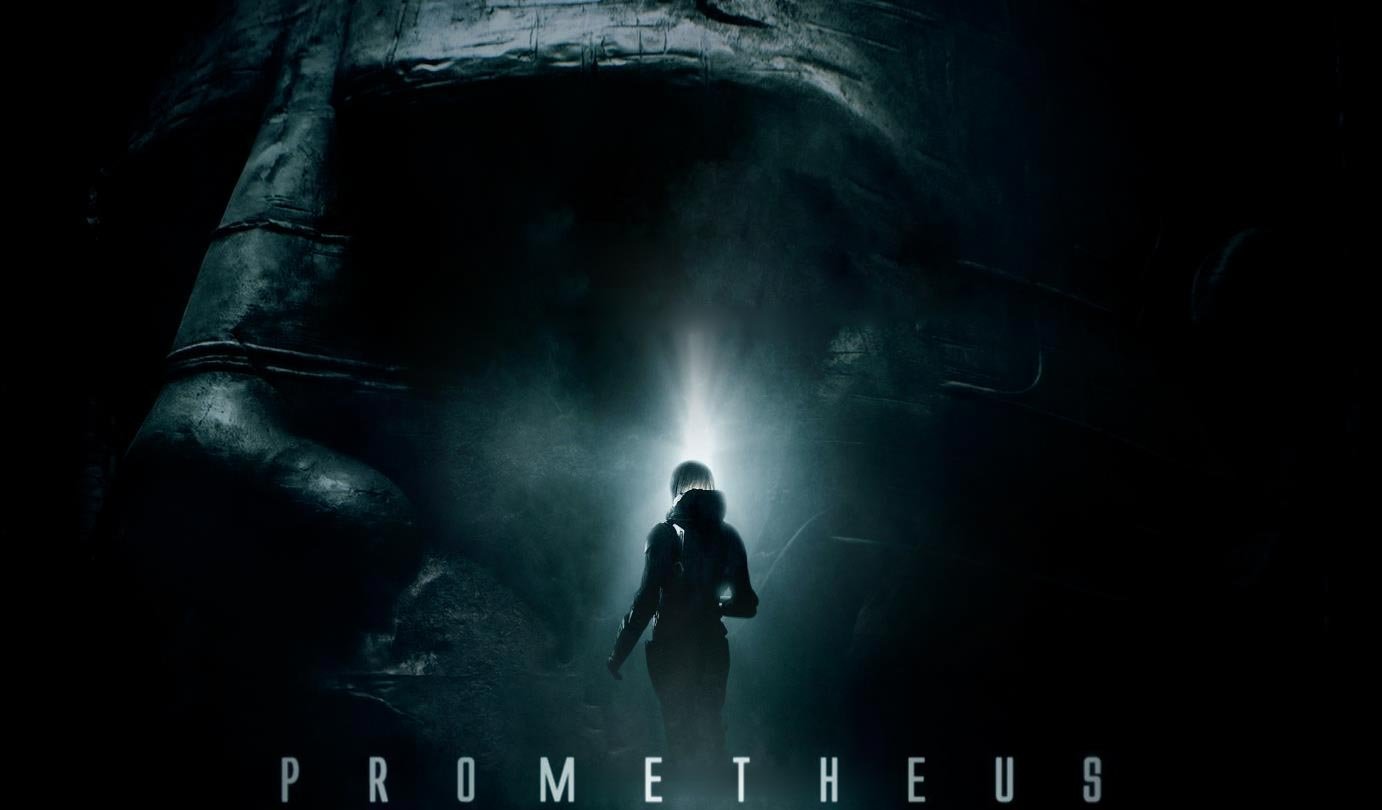
Practical suits and real sets gave Prometheus its spine; digital work gave it impossible anatomy once the spine had to break. This article is the complement to rubber-and-rivet trivia: motion capture, creature rigging, set integration, the invisible labor that keeps you from noticing seams until the third rewatch. Third-rewatch seams are a compliment. Compliments in VFX mean invisible success. Visible success is only for show-off shots. Show-off shots are dessert.
The blockbuster contract demands both weight and impossibility. Weight comes from actors fighting mass, cameras respecting distance, sound that lands in the chest. Impossibility comes when biology cheats—too many joints, too much gloss, too fast a recovery from trauma. Digital creatures bridge that gap by inheriting lighting from photography that was never lying about the room. Rooms that lie break immersion. Immersion is the currency horror spends last.
Trivia collectors should study contact shadows and spit-sheen: the moments where CGI admits it shares a set with practical slime. Slime diplomacy is how modern monster movies survive scrutiny. Scrutiny is harsher now than in 2012, yet many sequences still hold because the compositing prioritized interaction over poster polish. Poster polish ages. Interaction ages like fight scars. Scars are character.
Motion capture is often misunderstood as “an actor in dots becomes magic.” The honest version is messier: performance data filtered through rigging choices, muscle simulations, animation direction, and the editor’s final lie about time. Time lies are why a creature feels fast or heavy. Fast reads as cruel. Heavy reads as ancient. Prometheus wants both depending on the beat. Beats are percussion. Percussion is not optional in horror.
The Alien lineage pressure shows up in digital work too: fans bring calipers to teeth and joints, demanding genealogy charts. Genealogy is a fun parlor game and a creative trap. The more interesting trivia is aesthetic—how close the film sails to biomechanical recognition without becoming a photocopy. Photocopies satisfy accountants. Accountants do not direct set pieces. Set pieces need threat, not trademark compliance alone. Compliance is law. Threat is weather.
For a factual spine while you read shot breakdowns, start from public references like IMDb’s technical credits and follow names into interviews. Interviews age; credits remain useful anchors. Anchors keep trivia from drifting into fan fiction. Fan fiction is fun until someone mistakes it for call sheet truth. Call sheets are boring. Boring is reliable.
Sound marriage matters as much as pixel marriage. Wet biology needs a wet mix. A dry mix on a slick surface reads as video game, not nightmare. Nightmare requires subwoofer sinew and high-frequency drip. Drip is disgust’s treble clef. Clef marks the staff. Staff includes everyone in the theater who thinks they do not care about sound until their skin crawls anyway. Anyway is victory for the dub stage.
If you compare era peers, notice how many films chose weightless digital acrobats and how often Prometheus keeps bodies tired even when pixels join the fight. Tired bodies are a directorial value system. Value systems show up in VFX notes as much as in lens choice. Lens choice is loud. VFX notes are whispered across months. Months are why credits run long. Long credits are receipts. Receipts matter to artisans. Artisans made the monster move. Movement is memory. Memory outlasts plot arguments online.
Final collector challenge: pick a creature-forward scene and try to separate photography from augmentation without pausing. Hard mode: pause anyway and forgive yourself. Forgiveness is part of loving craft. Craft includes failures. Failures teach your eye. Trained eyes spot generosity in hybrid shots—moments where practical and digital shake hands instead of arm-wrestle. Arm-wrestling shows on screen as disbelief. Handshakes read as dread. Dread is the point.