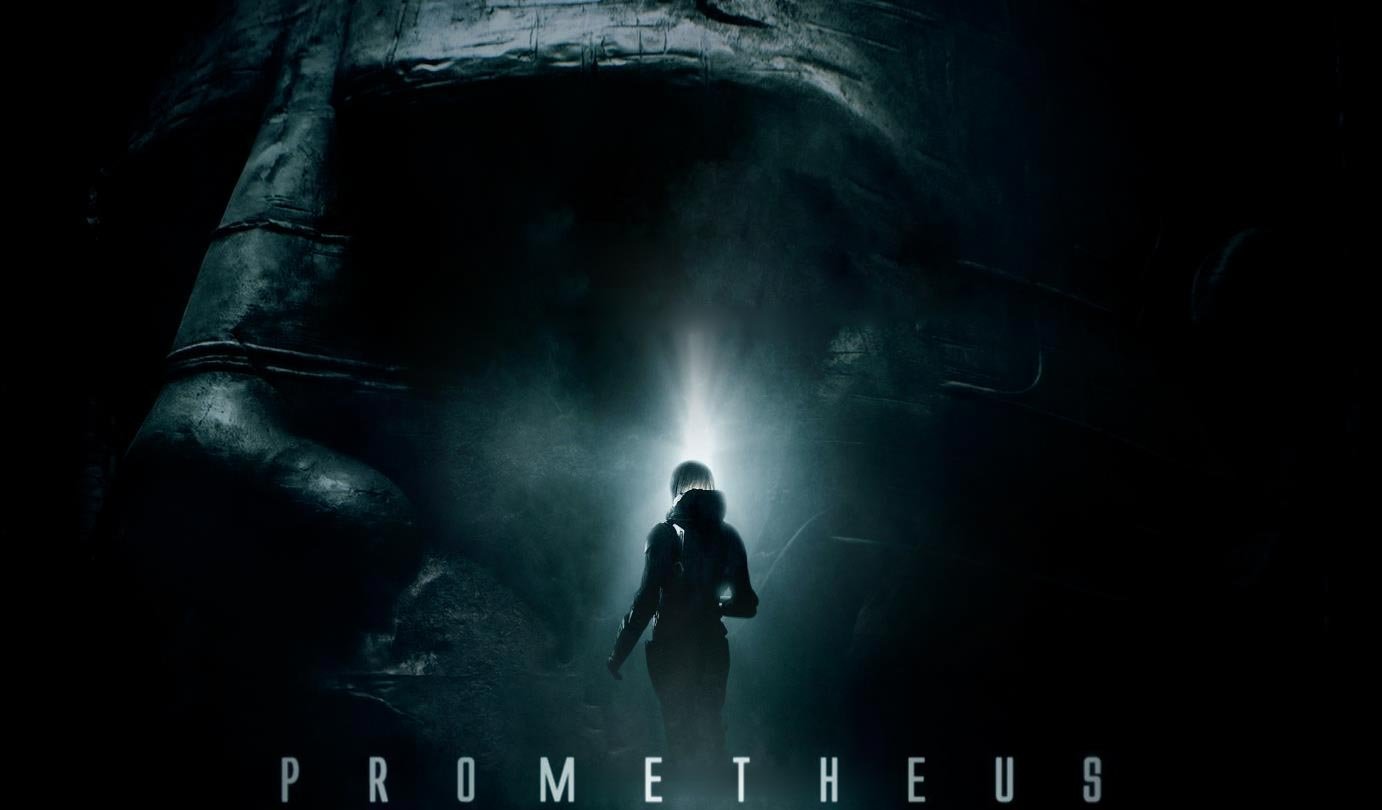
Search interest around Prometheus trailers never really flatlined. People still want the quick map: teaser, full trailer, international cuts, TV spots, and what each version was trying to make you feel before opening weekend. This page is that map. Not a frame-by-frame conspiracy board, just the useful context for why the campaign worked on some viewers and irritated others.
Watch: key trailer cuts
If you just want the videos, start with these three embeds in order: official US trailer, trailer #2, then a representative TV spot.
The earliest teaser material sold scale first. Monumental architecture, helmets, alarms, and one recurring promise: this was not a small hallway thriller. Even when shots looked familiar to Alien fans, the framing said "cathedral" more than "haunted house." That distinction matters because expectation is half the audience experience. If you walk in expecting pure creature chase, you judge one movie. If you walk in expecting cosmic argument, you judge a different one.
The main theatrical trailer then tightened the pitch: recognisable cast beats, clearer mission language, more explicit danger, and enough body horror imagery to reassure genre fans they were not being sold a dry philosophy lecture. Marketing teams always ride this line. Too abstract and viewers feel shut out. Too explicit and mystery evaporates. Prometheus sat in the middle, and that middle is exactly why discourse split so hard after release.
TV spots usually leaned more direct than the long trailer cuts: faster rhythms, louder stings, and cleaner "threat now" signals. That is normal for paid placements where you have seconds, not minutes, to hook someone between ad breaks. If you revisit the campaign now, the useful takeaway is format literacy: short-form ad edits optimize urgency, not nuance. Nuance has to be carried by the theatrical feature, not the 20-second punch.
Footage differences also fed folklore. A few trailer moments were trimmed, reordered, or absent in the final cut, which is not unique to this film but always sparks "what changed?" threads. Most of that is routine post-production drift rather than hidden alternate lore. Treat trailer-only shots as a snapshot of process, not proof of a secret canonical timeline.
If you want the practical watch order for the campaign itself: teaser first, then first full trailer, then later TV spots and international variants. Watching in that order lets you see the studio move from atmosphere to plot confidence as release approached. You can compare that arc with the film’s own balance of ambiguity and explanation in our Prometheus Explained piece.
One final tip: archive links when you can. Official uploads disappear, mirrors get geo-blocked, and metadata gets rewritten years later. For baseline references that are easy to cross-check, start with IMDb and the marketing summary on Wikipedia, then branch out to verified studio-channel uploads.