← Back Anchal K.
Prometheus (2012) — Wall art that whispers xenomorph grammar. The head room’s fresco—Giger echoes, ritual imagery, and what rewatchers argue about. Prometheus mural chamber: Engineer fresco, xenomorph-like figure, head statue, and fan debate over what it foreshadows.
What we see on screen
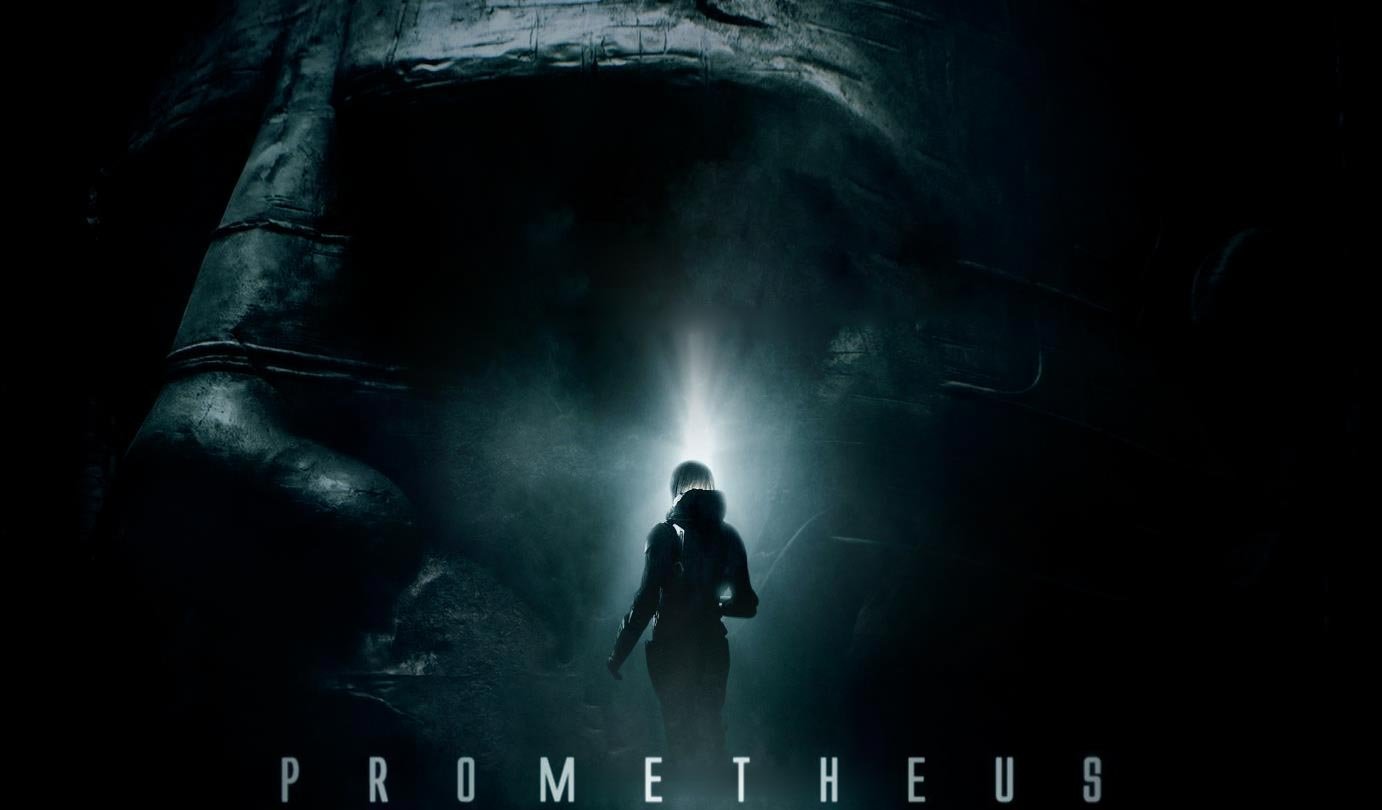
After the crew finds a decapitated Engineer head that explodes toxically, they enter the mural chamber—a domed room with a giant head statue and a fresco on the ceiling. The imagery is Giger by way of chapel: biomechanical Christ figures, something like a xenomorph in fetal pose.
David studies the mural with academic hunger; Shaw sees theology curdling. The room does not label its symbols—no subtitle saying “prototype xenomorph”—but the shape language is unmistakable to franchise eyes.
The head statue anchors the space like a relic in a cult that outlived its priests. Black goo streaks and oxidized metal suggest the Engineers worshipped or manufactured what the mural depicts—or both.
Production photos and Blu-ray pauses turned this room into forum scripture—every curve gets scanned for xenomorph lineage, which is exactly the kind of attention the fresco invites.
Pressure, choices, and staging
Fans argue whether the mural predicts the Deacon, documents history, or warns future trespassers. The film refuses a lecturer—Scott gives you art, not footnotes.
The exploding Engineer head in the adjacent lab proves the chamber is not neutral archaeology—biology here is volatile, and the mural’s monster may be confession or blueprint.
David’s interest in the head and fresco sets up his later Covenant-era hobbies without spelling them out. Prometheus plants franchise DNA in wall paint.
Shaw wants meaning from the mural; David wants inventory. That difference in gaze is the film’s creation debate in one room.
Craft, sound, and place
H.R. Giger contributed design DNA to the chamber—fresco curves echo his Necronomicon shapes, updated for IMAX scrutiny. Lighting is candle-warm against cold stone, ritual mood for secular horror.
Sound drops to drips and breath inside the dome—Streitenfeld barely scores it, letting the mural’s silence feel like pressure on the skull.
The decapitated head prop in the adjacent lab—later examined by David—bridges sculpture and corpse. Production design treats Engineer biology as art material before it becomes weapon.
Franchise rhymes and sequels
The mural is the on-screen bridge between Engineers and xenomorph iconography—stronger than any single creature scene until the Deacon screams. Alien: Covenant later literalizes David’s wall obsession; here it stays suggestive.
Alien argued survival in corridors; Prometheus argues creation with contempt. See Xenomorph connection in Prometheus, Black goo explained, Prometheus easter eggs.
Close read on rewatch
Screenshot the fresco and compare it to the Deacon’s birth—rhyme, not blueprint. Scott wants argument in fan forums, not closure in dialogue.
Prometheus mural chamber: Engineer fresco, xenomorph-like figure, head statue, and fan debate over what it foreshadows. Track who interprets the wall, who photographs it, and who treats it as prophecy.
The chamber rewards pause—the more you stare, the less comfortable the invitation narrative feels.