← Back Anchal K.
LV-223 sells because you believe the wind hurts. Ridley Scott shot Prometheus on Icelandic volcanoes and waterfalls, Jordanian deserts, and Pinewood soundstages— a blend of real weather and cathedral interiors that keeps the film from floating entirely on green-screen gloss. Place is character here; the storm is practically a credited actor.
Iceland: Hekla, Dettifoss, and the storm
The opening Engineer sacrifice uses Dettifoss waterfall and surrounding basalt— primordial Earth standing in for primordial anywhere. Later, the Prometheus crew explores LV-223 amid grey skies near Hekla volcano; the same landscapes become the sandstorm that strands Fifield and Millburn.
Scott leaned into actual Nordic weather— visibility drops, actors strain to hear each other. That chaos reads on screen as alien hostility without VFX exaggeration.
Second-unit crews waited days for usable light at Dettifoss— patience that shows in the prologue's mythic stillness before the body breaks apart.
Scott had filmed in Iceland before; returning for Prometheus let him reuse crew relationships and weather instincts— practical knowledge that shows when storms feel lethal instead of filtered.
Pinewood Studios: ship and pyramid interiors
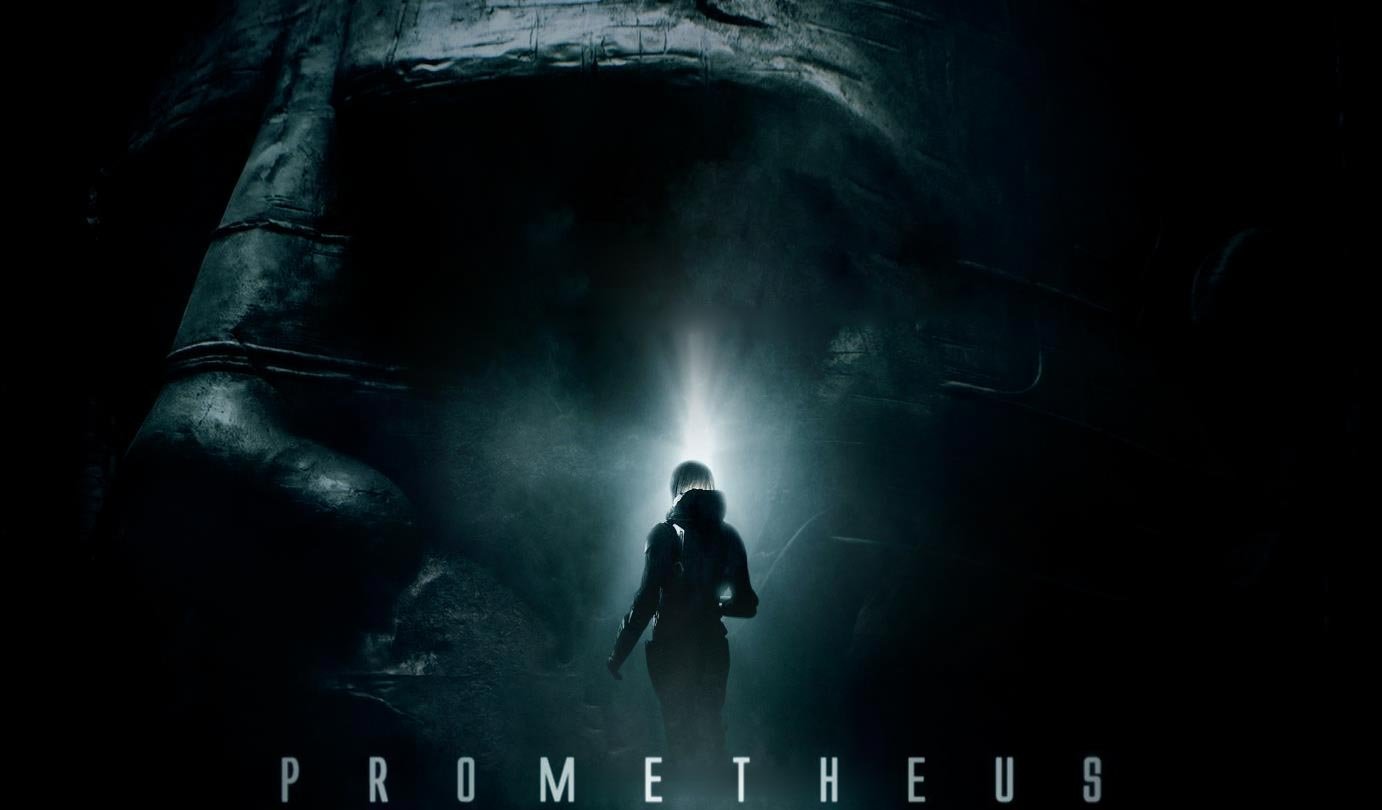
The Prometheus vessel, pyramid tunnels, orrery room, and med-pod bay were constructed at Pinewood— including the massive head chamber with Giger-inflected fresco. Corridors scale up to cathedral height, selling Engineer architecture as intimidation.
Luxury suites for Vickers and Weyland's hologram chamber contrast with industrial lower decks— class geography built into set design.
Med-pod bay set pieces were tight enough for Rapace to sell claustrophobia— actors report bruises from thrashing against real panels, not green foam.
Storm scenes mixed on-stage wind machines with Iceland plates— hybrid approach when real weather refused to repeat takes on schedule.
Wadi Rum and exterior doubles
Jordan's Wadi Rum desert appears in exterior establishing shots— red rock valleys familiar from other sci-fi epics, here used sparingly to widen LV-223's surface beyond Iceland's grey palette.
Combining locations prevents single-biome fatigue when characters traverse moon surfaces between storm fronts.
Second-unit in Jordan often stood in for distant approach shots— the Prometheus landing sequence mixes stages so Iceland never carries every exterior beat alone.
Dettifoss noise in the opening required ADR in places— waterfall volume overpowering line delivery, a common location hazard Scott accepted for mythic image.
How location choices shape craft
Cinematographer Dariusz Wolski shoots 3D depth against real cliffs and real steam— parallax you cannot fake cheaply. Sound design layers Icelandic wind under Streitenfeld's score during exterior sequences, merging location and music into dread.
When Janek's crew kamikazes the Juggernaut, VFX anchors to practical cockpit work shot on stage— the crash lands because actors had walls to react against.
Pinewood's pyramid sets required crane shots Scott storyboarded like Renaissance paintings— blocking you can trace on location tours today.
Pinewood's water tank staged some exterior LV-223 shots when Iceland schedules slipped— seamless enough that location lists still treat Iceland as primary identity.
Visit vs. rewatch
Unit publicists emphasized Iceland in press tours— location as marketing hook equal to cast.
Tourism to Dettifoss spiked among fans— standing where Engineers seeded DNA is a pilgrimage niche. For most, Blu-ray suffices; pause storm scenes to spot real grit on helmets.
Iceland's production incentives helped budget math— location savings funded Engineer VFX scale.
Connect place to plot with Storm scene explained and LV-223 explained.