← Back Anchal K.
Prometheus (2012) — Moon, facility, and failed experiment. Not a homeworld—a weapons lab with a long hangover. What the star maps pointed at. LV-223 in Prometheus: moon coordinates, pyramid complex, Engineer outbreak, and why it is not LV-426 (Alien’s planetoid).
What we see on screen
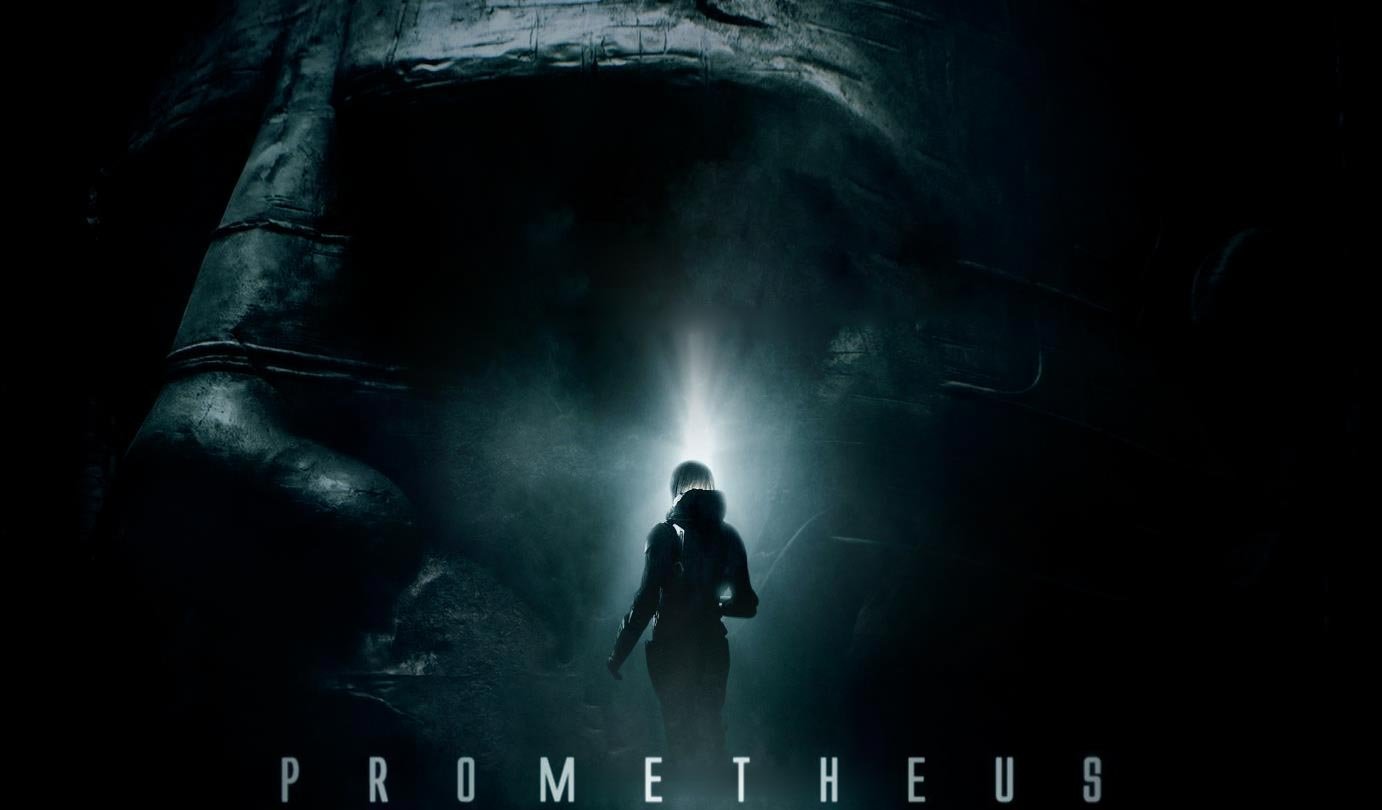
LV-223 is the moon Shaw and Holloway read from ancient star maps—a destination chosen from cave paintings, not census data. The Prometheus arrives to find atmosphere thin but workable, storms violent, and a pyramid complex breathing like a lung.
Inside the facility: urn chambers, mural rooms, holographic playback of Engineer panic, tunnels leading to a Juggernaut launch pad. The moon reads as an installation that was busy until it was not—centuries of silence over active horror.
Dettifoss and Icelandic exteriors sell LV-223 as geology that hates visitors—black sand, cataract roar, skies that turn murderous without warning. This is not a colony world; it is a depot with a body count.
Holloway’s excitement on first landing—“God does not build in straight lines”—reads as irony once you know the straight lines are bunkers. LV-223 rewards skeptics with worse news than the believers feared.
Pressure, choices, and staging
Janek’s military-installation theory fits what the moon shows: cargo holds full of black goo canisters, a horseshoe ship aimed at Earth, holograms of Engineers fleeing their own weapons. LV-223 functions like a forward base for biological ordnance.
The outbreak implied by ghost recordings suggests the Engineers lost control of their own product long before humans arrived. Humans simply reopen a door that was never locked—only abandoned.
When the last Engineer wakes, he tries to resume the Earth mission. LV-223’s purpose snaps into focus: not meet the kids, deliver the payload.
Craft, sound, and place
Production design merges H.R. Giger’s biomechanical interiors with Arthur Max’s temple scale—corridors feel both sacred and industrial. The pyramid’s circular doors and oozing walls make science fiction look like excavated myth.
Marc Streitenfeld uses location wind and waterfall rumble as LV-223’s theme—wonder audio that curdles once the urns sweat. You hear the moon before you understand it.
The storm that strands Fifield and Millburn is photographed in Iceland with real grit in the air—no studio mist. That physical weather makes LV-223 feel like a place that rejects visitors before the monsters bother.
Franchise rhymes and sequels
Fans confuse LV-223 with LV-426 from Alien; they are different bodies in different systems, linked by Engineer aesthetics and goo logic, not by being the same rock. See LV-223 vs LV-426 for the side-by-side.
Alien argued survival in corridors; Prometheus argues creation with contempt. See Pyramid structure explained, Engineer black cargo explained, The Juggernaut (derelict) explained.
Close read on rewatch
Map Shaw’s cave dots against the orrery hologram on rewatch—the film quietly insists LV-223 was one node in a network, not a lone miracle site.
LV-223 in Prometheus: moon coordinates, pyramid complex, Engineer outbreak, and why it is not LV-426 (Alien’s planetoid). Track who names the moon, who treats it as birthplace, and who sees the hangar.
The moon’s inhospitable storms function as unpaid security—LV-223 discourages tourism before the urn room has to.