← Back Anchal K.
Prometheus (2012) — Two moons, one franchise, different jobs. Where Prometheus lands versus where the Nostromo crew found the derelict in 1979. LV-223 vs LV-426: Prometheus moon vs Alien planetoid, timeline placement, and fan confusion between installations.
What we see on screen
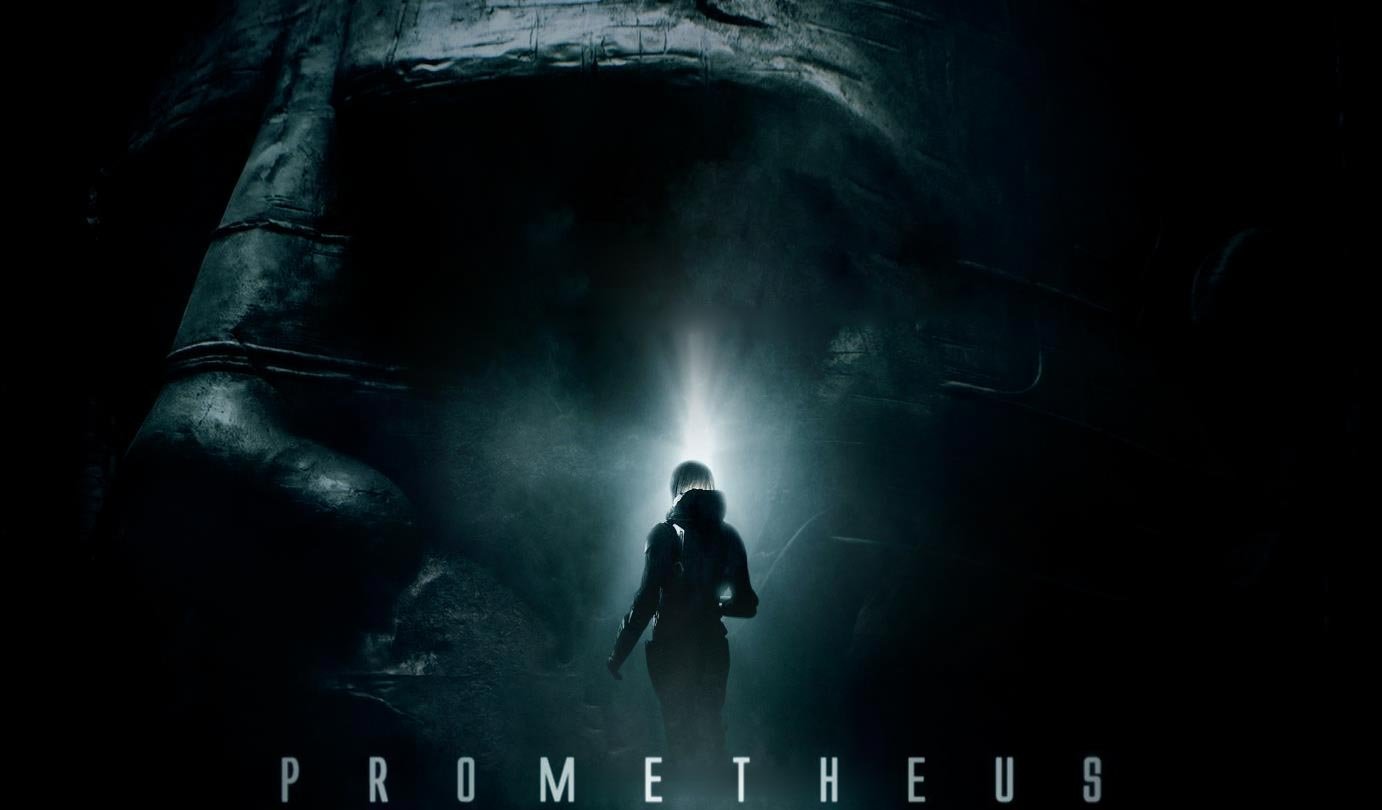
LV-223 is where Prometheus lands in 2093—moon with a pyramid base, active Juggernaut, sweating urns, and an Engineer who still wants to fly toward Earth. The film shows it as a staging ground, not a graveyard only.
LV-426 is the wind-scoured rock Dallas’s crew orbit in Alien (2122 in later chronology)—a planetoid with a crashed horseshoe derelict, dead Space Jockey, egg silo horror below. No pyramid complex, no TED-funded archaeologists, just miners rerouted by company orders.
Both sites share Engineer ship silhouettes and biomechanical décor, which is why fans merge them in memory. The movies treat them as rhyming locations with different narrative jobs.
Prometheus never sends Shaw to LV-426; the franchise uses parallel moons to show the Engineers had more than one bad neighborhood. Confusing them collapses two different warnings into one GPS error.
Pressure, choices, and staging
LV-223’s story is proactive—humans arrive before the payload delivers, Janek rams the launching Juggernaut, Shaw escapes with questions. LV-426’s story is reactive—humans stumble into a warning beacon and become incubators.
Timeline placement matters: Prometheus happens decades earlier in franchise chronology, showing Engineers still running programs humans will later inherit as accidents. LV-426 is what happens when the warning is ignored long enough.
Neither film gives you a galactic atlas, but dialogue and production design keep the names distinct. Confusion is fandom tax, not plot hole—two moons, similar architects, different acts of the same nightmare.
Craft, sound, and place
Ridley Scott returns to Giger’s derelict grammar in Prometheus but shoots LV-223 wider—3D depth, Icelandic vistas, pyramid scale. LV-426 in 1979 was claustrophobia; LV-223 is cathedral arrogance.
Sound design reinforces the split: LV-223 roars with storms and waterfalls; LV-426 hisses with wind and beeps. Same franchise skin, different acoustic mood.
On-screen labels stay sparse—characters say LV-223 aloud, while Alien crew call LV-426 by number in radio chatter decades later. The distinction lives in dialogue and fan chronologies, not a map insert.
Franchise rhymes and sequels
Alien: Covenant visits another Engineer world—LV-223 remains the 2012 anchor for prequel cosmology, while LV-426 stays Ripley’s haunted landmark. Together they sketch a civilization that seeds, stores, and abandons moons like bad experiments.
Alien argued survival in corridors; Prometheus argues creation with contempt. See LV-223 explained, The Juggernaut (derelict) explained, Is Prometheus a prequel?.
Close read on rewatch
Watch Prometheus then Alien back-to-back and note how horseshoe ships evolve from launch-ready weapon to fossil warning—rhyme, not repeat.
LV-223 vs LV-426: Prometheus moon vs Alien planetoid, timeline placement, and fan confusion between installations. Track which moon still has living architects, and which only has eggs waiting.
Merchandise and wiki cross-wiring blurred the names for years—on screen, the films keep the bodies separate even when the aesthetic rhymes.