← Back Anchal K.
Prometheus (2012) — Temple, lab, or both at once. The LV-223 complex Janek calls a military installation—chambers, tunnels, and holographic history. Prometheus pyramid structure on LV-223: layout, Engineer architecture, connection to Juggernaut, and Janek’s weapon theory.
What we see on screen
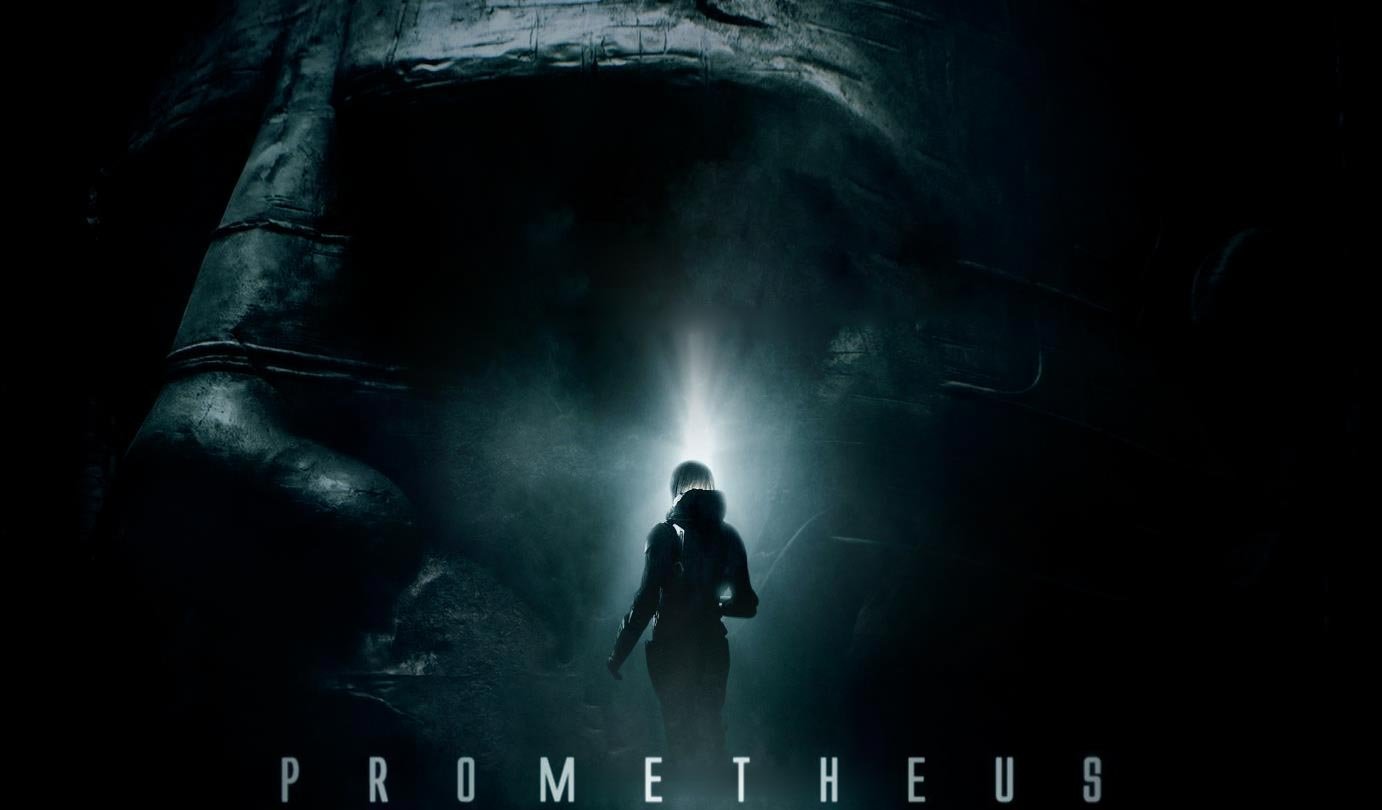
The LV-223 pyramid is a stepped Engineer complex half-buried in moon rock—tunnels, circular doors, chambers that breathe when the crew approaches. Fifield’s drones map it as geometry too regular to be natural, too old to be human.
Inside you get a tour of franchise mysteries: the head room leading to the mural chamber, hologram corridors replaying panic, the orrery with its 3D star map, urn vaults connected to the Juggernaut launch path. The pyramid is museum, lab, and bunker in one shell.
Doors open in response to presence—David first, then humans trailing. The architecture behaves like it still has admin rights, waiting for staff who never came back.
The pyramid’s verticality—descents into urn vaults, ascents toward the Juggernaut—gives the film a literal structure for hubris: everyone keeps climbing toward the launch pad.
Pressure, choices, and staging
Janek looks at the pyramid from orbit and names it a military installation—storage plus launch, temple as camouflage. The layout supports him: urns downstairs, ship upstairs, holograms showing Engineers dying mid-evacuation.
The sandstorm that strands Fifield and Millburn is the pyramid’s first passive defense—weather as airlock between ship discipline and tunnel chaos. Once inside, the crew splinters into tutorial victims.
Tunnels funnel the survivors toward the Juggernaut cryo chamber where the last Engineer sleeps. The complex is a pipeline: enter curious, exit cargo or corpse.
Craft, sound, and place
Arthur Max and Ridley Scott cite Mayan and Egyptian pyramids as mood references, then graft Giger’s biomechanical skin underneath—holy exterior, septic interior.
Sound design sells the pyramid as living infrastructure—vents inhale, seals exhale, holograms crackle like old film. You hear centuries of abandonment without a dated title card.
Circular door mechanics—unrolling like iris shutters—give the complex a signature motion Scott repeats in chase scenes. The architecture participates in suspense instead of sitting passive.
Franchise rhymes and sequels
Unlike LV-426’s derelict-only horror, LV-223’s pyramid is an active facility in memory—closer to an Engineer military campus than the egg silo Ripley will flee decades later.
Alien argued survival in corridors; Prometheus argues creation with contempt. See Orrery room explained, Mural chamber explained, Hologram ghosts explained.
Close read on rewatch
Walk the pyramid in scene order on rewatch—each chamber escalates scale from head statue to star map to cargo, like a museum tour toward a bomb.
Prometheus pyramid structure on LV-223: layout, Engineer architecture, connection to Juggernaut, and Janek’s weapon theory. Track which doors open for David, which chambers sweat, and which tunnel leads to the horseshoe.
The complex’s mix of temple scale and lab grime is the film’s thesis in concrete—sacred language hiding industrial sin.