← Back Anchal K.
Same wet metal, different hunger. Ridley Scott returned to the universe he helped birth in 1979 and made a film that argues about gods where the original argued about airlocks. Prometheus is not a failed imitation of Alien; it is a deliberate change of genre pressure—from claustrophobic survival horror to cathedral-scale philosophical dread.
Scale: corridor trap versus cathedral
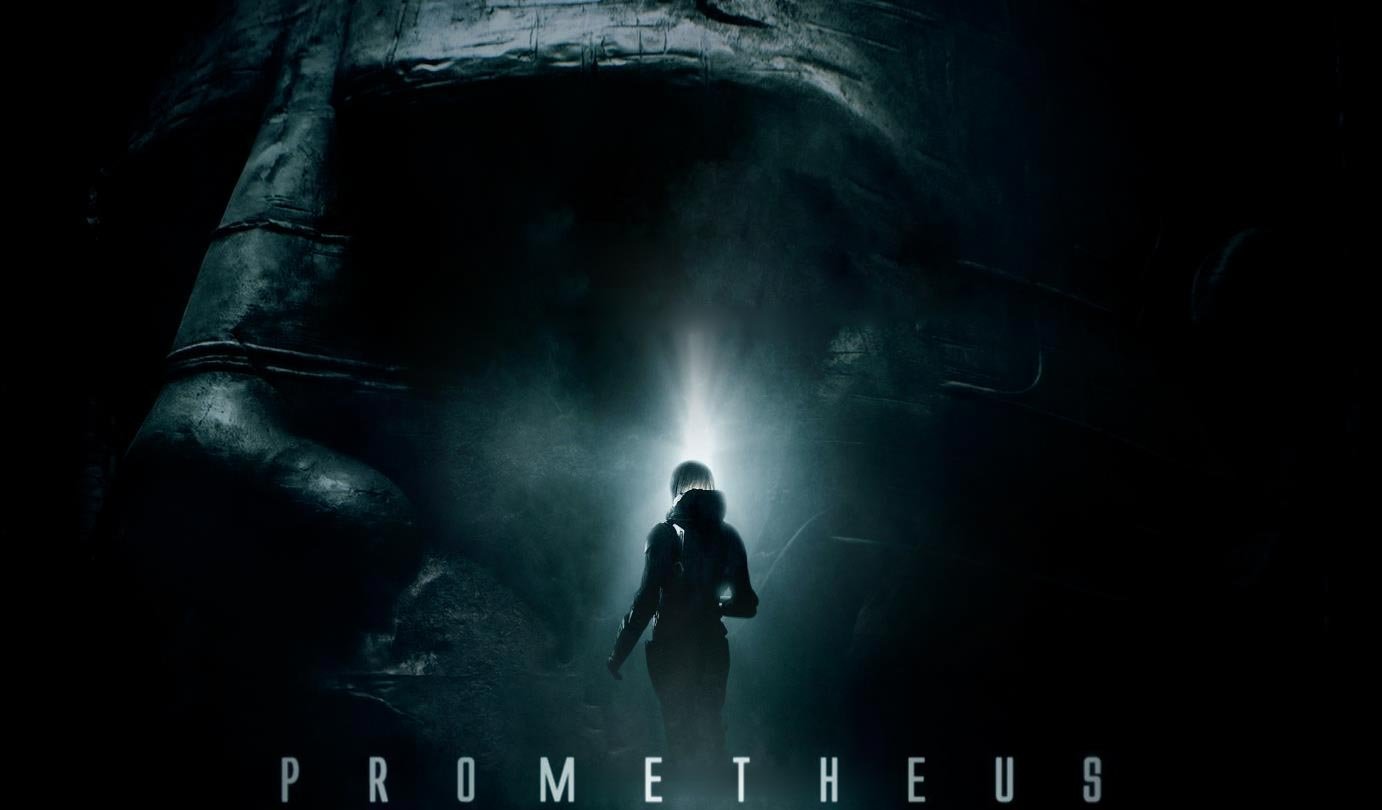
Alien keeps you in the Nostromo's intestines. Rooms are small, ceilings low, shadows owned by the creature. Scott and cinematographer Dariusz Wolski shoot Prometheus like a discovery documentary that turns septic—Iceland vistas, pyramid interiors tall enough to swallow sound, an orrery room where planets spin at eye level. The horror is not only what hunts you; it is how small your questions look under that ceiling.
The Prometheus ship itself feels like a luxury liner duct-taped to a lab—Vickers's suite, Weyland's hologram theater, a med-pod bay that becomes a torture chamber. Ripley's world was industrial grime; Shaw's world is TED-talk optimism rotting on contact with LV-223.
Jerry Goldsmith's original score whispered in vents; Marc Streitenfeld's prequel score swells in cathedrals. Same franchise, different acoustic ambition—one film hides the monster in silence, the other hides the philosophy in noise.
Monster strategy: one perfect killer vs many mutations
The 1979 film worships restraint: one xenomorph, one ship, one survivor. Prometheus throws a buffet—hammerpede, mutated Fifield, trilobite, Deacon—each a different expression of the black goo's appetite. The scare grammar shifts from "it could be in any vent" to "biology itself is negotiable."
That diffusion angered fans who wanted the iconic drone. Artistically, it matches the theme: creation is messy, iterative, not a single product roll-out. The mural chamber whispers that the xenomorph shape existed long before WY's mining ship arrived on LV-426.
Who the crew is—and what they want
Ripley's crew are truckers in space, accidentally expendable. Shaw's crew are true believers with PowerPoint dreams—archaeologists, corporate heirs, a captain who plays accordion and sees military installations where scientists see temples. When Millburn pets a snake-thing, the film is not only punishing stupidity; it is punishing a class that thought discovery would be photogenic.
Android politics differ too. Ash follows company orders with bland menace. David follows curiosity with charm, poisoning Holloway not because a mainframe told him to but because he wants to see what happens—a far more intimate villainy.
Tone, faith, and endings
Alien ends with Ripley alone, cat in lap, exhausted victory. Prometheus ends with Shaw still asking, limping into the dark with David's severed head in a bag, cross around her neck. Survival is not closure; it is the next question. Where the original film secularized horror, the prequel drags religion into the lab—Shaw's faith is dramaturgy, not sermon, but it is unmistakably present.
Even Janek's kamikaze crash—big, loud, heroic—refuses Ripley's intimate cat-and-mouse. Scott is shooting for myth set pieces, not haunted-house whispers.
Reading both films as conversation
Watch Alien first and Prometheus feels like an arrogant prequel asking questions the original wisely left unspoken. Watch Prometheus first and Alien feels like the grim epilogue capitalism deserved. Together they map a franchise that traded mystery for cosmology—and then regretted the receipt.
Continue the comparison with Is Prometheus a prequel? and Xenomorph connection in Prometheus for the creature-design thread.