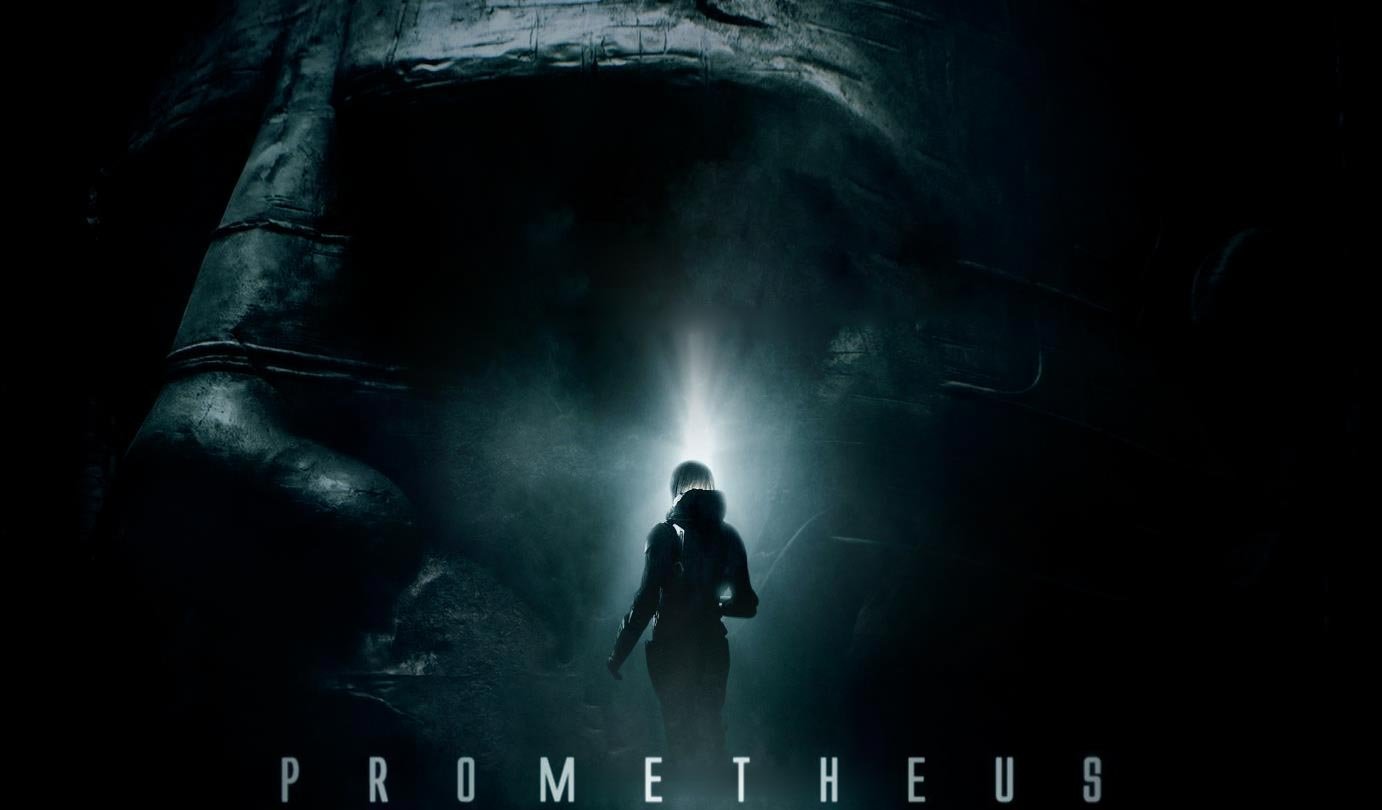
Dariusz Wolski’s photography on Prometheus is doing narrative work, not just prettiness. Interiors mix cool machine ambient with warm human pockets: little domestic lies inside industrial truth. Exteriors on the alien moon swing between majestic daylight and hostile shadow. The same rock face turns from cathedral to trap when weather and story conspire. That is textbook genre cinematography executed at studio scale. If you need a refresher on the crew stack, start from the film’s IMDb page and follow names into credits. Then rewatch how often light motivates turns rather than flood-fill cool blue because sci-fi. Motivated light is harder to schedule. It reads truer for decades.
Released amid the 3D gold rush, the stereoscopic version used depth as immersion rather than constant poke-in-the-eye gimmicks. Flat streaming today still inherits layered blocking: foreground hazard, midground actors, background architecture that refuses to resolve cleanly. Skeptics call that showy. I call it spatial storytelling. Horror needs geography. Geography needs planes. Wolski and Scott choreograph revelation through movement: pans that discover murals, slow pushes that punish curiosity. Punished curiosity is on theme. Humans keep leaning toward answers that bite.
The cold light of discovery is not a metaphor only. It is a lighting strategy. Science scenes read clinical until they do not. Then the same fixtures feel like interrogation lights. Discovery curdles because the visual grammar flips: wonder lighting becomes autopsy lighting without a line of dialogue announcing the switch. That is cinema literacy, not Reddit-lore homework. If you need a narrator to tell you the mood changed, the movie failed. Here, the bulbs fail you on purpose.
Complaint desk: some night exteriors strain murk on lesser displays. That is not an artistic failure. It is a home-viewing penalty for contrast choices made for theatrical projection. Watch it in a dark room on a decent panel and the depth returns. If you laptop it beside a window, do not blame Wolski. Blame your ambient lux. Lux is the secret critic in every living room.
Big picture: blockbuster cinematography often flattenizes everything into teal and orange sludge. Prometheus keeps stone, metal, and skin distinct. Corruption reads as a separate texture entering the frame. That discipline is why screenshots still sell the movie. Pretty is easy. Readable pretty that supports theme is the job, and here the job mostly gets done. Mostly is not damning. Mostly is a miracle in a studio pipeline.
Lens flares and specular highlights are deployed with restraint compared to the post-Star Trek abuse era, thank Christ. When light blooms here, it usually signals heat, energy, or divine-adjacent spectacle, not an operator showing off anamorphic toys. Disciplined flares age. Chaotic flares date. Wolski seems to understand the difference, which is why night interiors still feel photographic instead of like a filter pack someone bought on sale.
Colorists and DPs rarely get named in fan debates, but their marriage is what keeps alien stone from reading as Play-Doh. When it works, nobody comments. When it fails, everybody blames CGI. Give the glass team their flowers. Grading saved many a rocky plate in 2012 blockbusters, this one included. Saving a plate is not vanity. It is continuity of illusion. Illusion is the product.
Camera height and angle also sell power. Low angles on Engineer scale, higher angles on human bickering: the film quietly maps hierarchy without a title card. When the camera shares human eyeline inside helmets, claustrophobia returns. When the camera pulls back for a valley, awe returns. Awe and claustrophobia should not coexist comfortably. The lighting bridges them by keeping the world cold even when the face is warm.
Movement discipline matters too. A slow push can feel like a dare. A fast cut can feel like panic. The film modulates between those modes depending on whether the scene is about understanding or survival. Understanding scenes get cruel patience. Survival scenes get sharper elbows. The photography signals which game you are playing before the script says it aloud.
If you are a cinematography student, study how fog and particulate are used as depth tools without turning into smoke machine comedy. Particulate sells air. Air sells place. Place sells fear. Fear is the customer. The customer does not always notice the chain. That is fine. The chain still holds.
3D conversations belong here too, even if you never watch the 3D version. The composition often preserves a foreground object that flat viewers still feel as obstruction. Obstruction is thematic: humans keep misreading what is in front of them. The frame literalizes that mistake. Literalizing theme through lens choice is old craft. Old craft still works when executives let it.
Daylight exteriors on LV-223 have a tourist brochure lie built in: beautiful emptiness. The photography sells the lie until it removes the brochure and shows you teeth. That switch depends on contrast and color temperature shifting subtly as organic intrusion grows. Subtle shifts reward big screens. Small screens punish them. This is not elitism. It is physics.
Interior alien architecture also benefits from hard edge light: ribs and spines of stone catching beams, leaving mouths of shadow. Shadow mouths eat characters. The effect is mythic without CGI creatures in frame. Mythic emptiness is cheaper than monsters and sometimes scarier because your imagination does the sculpting. Wolski leaves room for that sculpting. Room is a lighting decision.
So the cold light of discovery is strategy, not a tagline. It turns wonder into dread by refusing to change locations while changing meaning. Same room, different moral temperature. That is adult horror cinematography inside a summer movie suit. The suit fits well enough that thirteen years later people still argue about the story while posting stills that look like paintings. Paintings argue too. They just do it slower.
Last practical note: rewatch one corridor scene with brightness calibrated down. Notice how much information lives in the edge between light and dark. That edge is where Prometheus hides its intelligence when dialogue goes thin. Thin dialogue hurts less when photography carries theme. Photography carries theme here more often than critics admit. Admit it, then rewatch again. The light will still be cold. Cold is correct. Warmth was always a human mistake the universe humored for a beat.
Wolski’s collaboration with Scott also shows up in how often the camera stops flattering humans. Faces get hard sidelight when egos run hot. Faces get softer fill when vulnerability leaks through. The pattern is not universal, but it is frequent enough to feel like policy. Policy in lighting is how you direct without cutting. Actors benefit when the room argues with them. The room argues here using photons.
Consider the opening imagery and how it sets a color story the rest of the film will betray. You begin with a grand, almost sterile awe. By the time you are in wet biology territory, the palette has picked up sick secondary colors without announcing a genre shift. That is continuity of craft. Lesser films change palettes when they change tone and it feels like a channel change. This one keeps channel coherence while changing moral weather. Moral weather is harder to grade than a simple day-for-night cheat.
Action coverage in the third act still tries to preserve spatial anchors. Even when cutting accelerates, you usually know which room you are in and which direction escape might live. That is cinematography supporting geography under stress. When geography collapses, action becomes noise. Noise is not suspense. Suspense needs a where. Where is Wolski’s quiet gift to viewers who pay attention.
If you compare to contemporary blockbusters that rely on digital zooms and synthetic camera moves, the difference is weight. Physical camera movement, even when assisted, carries micro-imperfections that read as reality. Reality is not always pretty. It is often believable. Believable horror pays dividends longer than pretty horror. Prometheus banks believability in light before it spends it in chaos.
Final word: cinematography is not wallpaper here. It is argument. The cold light argues that discovery is not a hug. The depth argues that space is not neutral. The restraint in flares argues that spectacle should serve story, not ego. Those arguments align with the screenplay’s meaner ideas even when the screenplay stumbles. A stumble in writing hurts less when the image still thinks. The image still thinks. Give it a dark room and time.
One more rewatch habit: track how often the film lets you see the whole chamber in one shot before it starts slicing bodies into fragments. That full-chamber grammar is theatrical. It turns the screen into a stage where fate arranges actors. When the slicing comes, you remember the stage. Memory of space is a cinematography trick older than digital compositing. Wolski and Scott still use it because it still works.