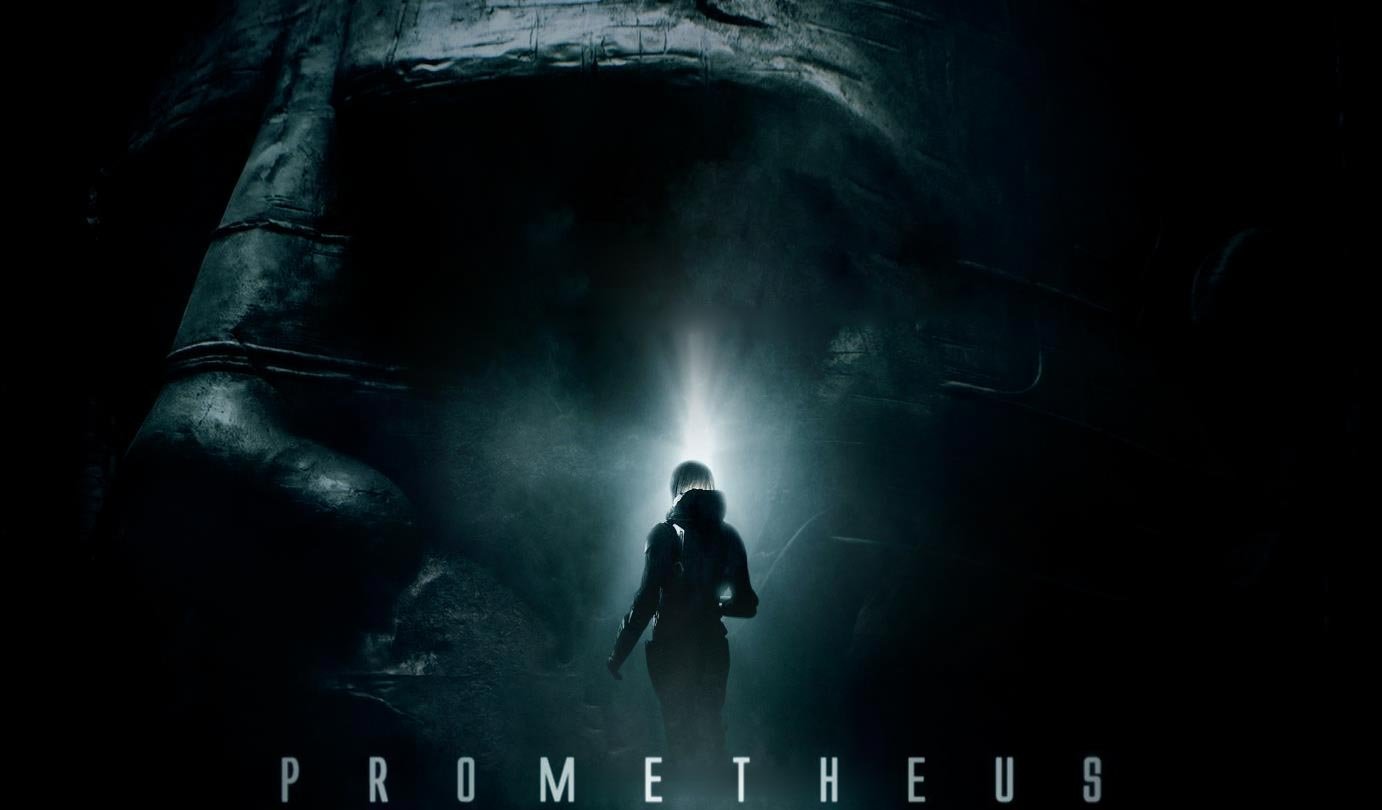
Nothing kills science fiction faster than costumes that look like Halloween clearance. Prometheus commits to heavy suits: restricted joints, visor fog, gloves that make fingers stupid. That is not nerdy authenticity for its own sake. It is storytelling. Panic becomes clumsy. Competence becomes effort. Heroism costs calories. When Hollywood defaults to weightless CGI avatars, stakes evaporate. Here, bodies stay stubbornly human inside expensive shells. The full credits list the army of departments that stitched that illusion together. Ignore them at your peril. Someone sewed, molded, and rigged what you take for granted. Taking it for granted is fine on first watch. On third watch, notice, then apologize silently to the suit techs.
Medical horror sequences work for the same reason: proximity. Tables, straps, lights, prosthetics: actors have objects to fight. The camera can hold because the geography is honest. Compare that to green-box surgery where performers mime and VFX artists improvise later. The eye knows even when the brain lies. Scott’s set-pieces often read as slow to viewers raised on shaky-cam gibberish. I read them as legible. You know where the wound is, where the door is, why running matters. Legibility is not boredom. Legibility is respect for consequence.
Vehicles and flight beats lean on inertia. The film respects mass until chaos breaks systems. Then heat, vibration, and alarm stacks replace choreography bravado. I prefer that trade. Superhero films teach bodies to ignore physics. This one remembers that squishy humans bounce badly. The action is escape, not posing. Posing is for trailers. Escape is for creatures that want you dead and environments that do not care either way.
The controversial bit: yes, characters take risks that read as foolish. I still want those risks staged with physical consequence. A dumb choice hurts more when the environment bites back credibly. Cheap effects would let you off the hook emotionally. Tangible sets and suits refuse that escape. You can criticize writing while praising execution. Those sentences are allowed to coexist. Art is not a single grade. Art is a report card with multiple subjects.
If you are a filmmaker, steal this lesson: spend on what touches skin. If you are a viewer, notice how often modern blockbusters cheat human scale and wonder why nothing matters. Prometheus is uneven, but its tactile spine aged better than glossy peers because it bet on friction: material friction, not franchise friction. Material friction is the kind that makes you wince when a helmet seal fails. Franchise friction is the kind that makes you argue online. Both exist here. The first one is rarer now.
Stunt teams and suit techs rarely get love in Letterboxd reviews, but their fingerprints are all over the chase beats: how a body stumbles when center of gravity shifts inside rigid armor. That is not trivia. It is empathy engineering. You flinch because the performer flinched believably. Compare to rubbery digital doubles that surf debris like cartoons. The contrast is not snobbery. It is biological. Your mirror neurons know the difference even when your mouth says who cares. I care. So should anyone who pretends to love science fiction but accepts weightless humans.
Fire and spark gags, brief as they are, also sell danger because they interact with practical suits and sets. Digital fire can look like a sticker. Real heat lighting on visors reads as threat. The film mixes approaches, but the anchor points are physical enough that your lizard brain buys in. That is old-school blockbuster craft hiding inside a modern pipeline. Pipelines do not have to erase the real world. They only erase it when producers panic.
Human scale also changes how you read ensemble scenes. When everyone is bulky, social signaling moves to posture and voice. You cannot rely on costume variety alone. The film uses visor reflections, small hand gestures, and helmet tilt to tell you who is scared, who is posturing, who is listening to the wrong instinct. Those microbeats are easier to capture when actors wear real encumbrance. Encumbrance is an acting note you cannot fake with a mouse.
Interiors benefit from the same honesty. Corridors have depth. Doors have mass. When airlocks cycle, you believe the pressure differential matters because the sound and the blocking treat air like a substance. Substance is the whole game. Science fiction that treats air like nothing is fantasy with lab coats. Prometheus wants the lab coats to feel heavy too.
If you teach physical production, use the medpod sequence as a case study in proximity and restraint. The horror lands because the room is a room. The body is a body. The machine is a machine. Swap those for pure digital abstraction and you get a video game cutscene. Cutscenes can be great. They are not this film’s best mode. The best mode is meatspace threat inside a futuristic frame.
Spacesuit storytelling also intersects with class. Not everyone gets the same gear vibe. Not everyone moves with the same confidence. Those differences are subtle, but they accumulate. Blockbusters often flatten crews into uniforms. This one lets variation peek through: scratches, customization, how tightly a helmet sits. Tiny reads, real money, real effort.
The long-term win is rewatch texture. Glossy films date when shaders improve. Tactile films date slower because your eyes compare them to reality, not to next year’s render farm. Prometheus bets on reality as the benchmark. That bet paid off for viewers who care about gravity, sweat, and the sound of boots on metal. If you do not care, the film still works as myth. If you do care, the film works as craft. Either way, human scale stays in the conversation.
So keep human scale when the universe goes insane. That is the contract the effects departments honored even when the script asked humans to behave like plot functions. Functions are lightweight. Bodies are not. The film reminds you of that mismatch on purpose. Insanity without weight is noise. Insanity with weight is tragedy. Tragedy is harder to manufacture and more worth preserving once you pull it off.
Final thought for skeptics: if you think practical work is nostalgia, watch a bad digital double scene and notice your own disengagement. Disengagement is data. Prometheus fights disengagement with rubber, resin, location wind, and actors who sound out of breath because they are. Breath is storytelling. So is the click of a latch. So is the smear on a visor. Cherish the smear. The smear is human.
When the universe goes insane, the audience still needs a body to ride through the chaos. Practical suits give you that body. CGI can enhance the body. It should not replace it unless you want viewers to float away emotionally. Floating away is fine for dreams. This film is a nightmare with paperwork. Nightmares with paperwork need friction, signatures, and the feeling that the floor could crack. The floor cracks better when it was built.
There is another human-scale trick people miss: failure looks different on a practical set. When a prop breaks, the actor reacts to the break. When a digital environment glitches, the actor guesses. Guesswork shows. Prometheus benefits from the first case more often than the second because the production built rooms that could misbehave physically. Misbehavior is scary when it is real. Misbehavior is annoying when it is synthetic. The film’s best scares lean real enough that synthetic enhancement reads as escalation instead of replacement.
Also consider how helmets shape dialogue. Muffled voices, breath noise, radio crackle: those are storytelling tools. Tools like that emerge naturally from suit reality. Without suits, you get clean exposition lines that sound like a writers’ room. The film still has some clean exposition. The suits punish it a little, which helps. Punishment is part of science fiction’s job when humans think they are the smartest objects in orbit.
For comparison shopping across the genre, notice how often modern films solve problems by removing the suit. Helmets pop off because faces need close-ups and because VFX teams prefer clean plates. Prometheus keeps helmets on long enough for claustrophobia to register. Claustrophobia is human scale too. It is the scale of your own skull when the world stops agreeing with your expectations. The film wants that feeling in your head before it shows you what is outside the visor.
If nothing else, remember that human scale is an ethical stance in horror. Bodies matter. When effects teams honor bodies, the violence means something other than spectacle. When bodies float, violence becomes textureless. Prometheus is not perfect on violence ethics, few studio films are, but its practical spine keeps the human in the shot longer than many peers. That choice ages well because aging is a human process. Pixels age faster than sweat.