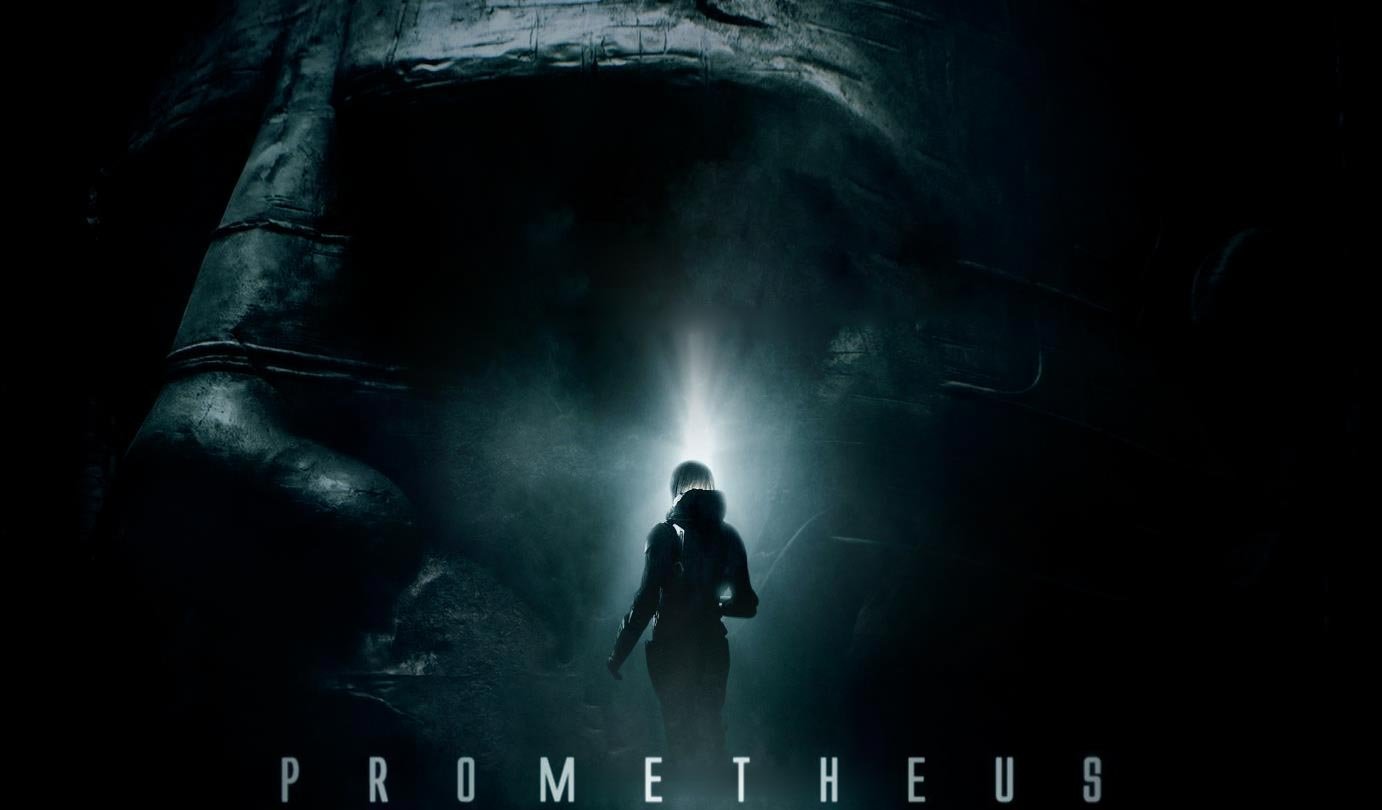
H. R. Giger’s legacy is not a style guide you Xerox. It is a language of fused flesh and machine that asks why humans find reproduction and invasion equally taboo. Prometheus extends that grammar without photocopying the xenomorph greatest hits. The new horrors share DNA: erotic unease, porous boundaries, the sense that bodies are negotiable real estate. Biography and chronology live in places like Giger’s Wikipedia entry and the official site. The film’s point is not footnotes. It is feel. Cousins, not clones. That distinction matters for tone. Clones satisfy checklist fans. Cousins unsettle you because family resemblance implies shared sickness.
Franchise fans love checklist continuity. Artists love variation. Scott leans variation. The creatures here echo the original’s violation-horror without delivering a zoology lecture. That frustrates people who wanted a PowerPoint on the life cycle. Good. Horror should disgust before it explains. The worst thing Prometheus could have done was treat Giger like clip art. Instead it pushes the biomechanical uncanny into new silhouettes while keeping the moral stain: bodies as media, hosts as hardware, creation as something that does not ask permission. Permission is a human idea. The designs keep reminding you that humans are not the default unit of ethics in this universe.
Effects-wise, the film’s smartest habit is chasing coherent surfaces. Practical builds where hands and faces touch. Digital help where physics goes impossible. When effects fail in lesser movies, the eye hunts for a plane of reality and finds none. Here, even when biology goes absurd, slime and tension sell contact. That is craft conservatism in service of radical imagery: boring pipeline discipline enabling wild ideas. Wild ideas without discipline look like screensavers. Discipline without wild ideas looks like television. The film wants the middle path where flesh looks wet enough to offend.
Hot take: arguing whether a creature “is” a xenomorph yet is the most boring possible viewing mode. The film is about creators who recycle and weaponize life. Of course the monster line looks iterative. The horror is that iteration treats souls as prototypes. If you reduce that to lore timestamps, you deserve the Reddit threads you get. Watch the bodies instead. Bodies tell you what the wiki cannot: how violation scales when the violator thinks in millennia instead of mealtime.
Giger’s shadow, finally, is ethical as much as visual. The Alien saga implicates rape metaphor, pregnancy terror, and bodily autonomy: loaded freight. Prometheus does not flinch. It routes those anxieties through a creation myth about parents who regret their children. That is nastier than jump scares because it lingers after the credits. The design team did not invent that sting. They inherited it and earned the right to continue it. Inheritance is responsibility. The film takes the responsibility seriously enough to upset people who wanted a cleaner toy aisle.
For extra reading on how Giger’s biomechanical lexicon infected cinema beyond the original derelict, tour the creature’s Wikipedia arc. Then return to Prometheus and notice how often new forms rhyme without copying. Rhyme is harder than copy-paste. It demands understanding grammar, not tracing silhouettes. The film sometimes stumbles into muddy creature geography, sure, but the intent is scholarly fanaticism, not lazy homage. I will take scholarly fanaticism every time. Lazy homage is how franchises die slowly in public.
Creature politics also intersect with merchandising. Capitalism wants toys. The on-screen forms still skew upsetting rather than cute. That balance is harder than it looks. Studios love marketable monsters. Something here resisted full plushification. Good. Horror that plushifies cleanly stops being horror and starts being mascot culture. Mascots do not ask you to examine your discomfort with your own body. Giger’s lineage does. Prometheus keeps that lineage uncomfortable on purpose.
Design literacy also changes how you read scale. Engineers read as statues, then as organisms, then as policy. The creature work follows that ladder. Small wet things in the lab carry one kind of fear. Large indifferent humanoids carry another. Mixing them in the same film risks tonal whiplash. The visual through-line is biomechanical skin: everything looks like it could be manufactured and born at the same time. That unity saves the film from feeling like a monster-of-the-week compilation even when the plot strains.
If you are a painter or a sculptor, study the film’s edges: how hard surfaces meet soft tissue, how ornament becomes organ. Giger’s world was always about borders dissolving. Prometheus continues the lesson in 3D space with modern lighting. Modern lighting can sterilize horror. Here it often does the opposite: it clinicalizes the obscene, which makes the obscene feel like medicine you did not consent to take. Consent is a human ritual. The designs keep violating ritual.
Fans who want a tidy evolutionary chart should build it at home. The film is not withholding because it forgot the chart. It is withholding because a chart would shrink the horror to information. Information is comforting. Prometheus wants you uncomfortable with the knowledge that creation might be a workshop where failures get discarded. Discard is a design language too. You see it in how rooms look used, how tools look standardized, how biology looks like product testing. Product testing is a banal phrase. The images make it profane.
There is also the matter of silhouette discipline. New creatures need to read fast in darkness. The film relies on recognizable spines, helmets, tendrils: a vocabulary built from the original series and pushed sideways. Sideways evolution is more interesting than forward evolution when the theme is arrogance. Humans think forward progress is moral. The universe in this film treats progress like a lab note. Silhouettes carry that insult without exposition.
Finally, respect the craftspeople whose names never trend. Sculptors, painters, mold makers, digital modelers: they translated Giger’s fever into something filmable. Translation is lossy. The miracle is how much fever survives. When you rewatch, give the creature team the same attention you give the stars. Stars sell tickets. Technicians sell the squirm. Squirm is the franchise’s oldest asset. Prometheus protects that asset even when the story frustrates you. Frustration in plot does not erase achievement in texture. Texture is where Giger still wins arguments from beyond the grave.
Compare the creature scenes to generic CGI swarms that arrived later in the decade. Swarms read as weightless because they repeat one digital stamp. Prometheus tends to anchor set pieces around a few specific forms you can remember the next morning. Memory is a design success metric horror rarely acknowledges. If you forget what hurt you, the horror failed. If you remember the wrong details, the horror oversold. The film aims for the narrow band where you remember the violation more than the taxonomy. Taxonomy is for collectors who want control. Violation is for viewers who know control is a lie.
Lore nerds miss the point when they treat design as a puzzle box with a correct sequence. Giger’s work was never a puzzle box. It was a mirror with teeth. Prometheus uses the mirror strategically: you see yourself in the desire to know, then the film breaks the glass. Broken glass is not a twist. It is a genre tradition updated for a blockbuster budget. The update matters because budgets can sanitize. Sanitization is the true enemy of Giger’s legacy, not inaccuracy. The film fights sanitization even when the MPAA and toy aisles pull in the other direction.
Sound partners with design in ways checklist viewers skip. Wet clicks and bone-adjacent noises sell Giger-ish biology even when the frame is dark. The creature lineage is not only visual. It is acoustic. If the sound were cute, the designs would feel like props. The sound refuses cuteness. It keeps the lineage adult in a market that infantilizes horror for lunchboxes. Lunchbox horror has its place. This is not that place.
So yes, biomechanical cousins, boundary horror, and the argument that lore nerds miss the point on purpose. The point is affect, not ledger. Affect is messier than ledger, and messier is truer to what Giger painted. Prometheus is a studio attempt to carry that truth into a multiplex. The attempt wobbles. The lineage still reads. Reading lineage without demanding a photocopy is the skill the franchise needs from its audience if it wants to stay art instead of becoming homework. Homework ends. Art keeps whispering from the walls.
Last small note on reception: people who call the creatures “confusing” sometimes mean “I could not categorize them fast enough.” Speed categorization is a defense mechanism. The film asks you to sit with forms that resist naming. Resistance is part of Giger’s legacy too. Names make the universe feel manageable. Prometheus keeps slipping names off things. That slip is not sloppy design. It is continuity with a painter who understood that the most frightening entities are the ones that look like they already have a purpose you were never told about.