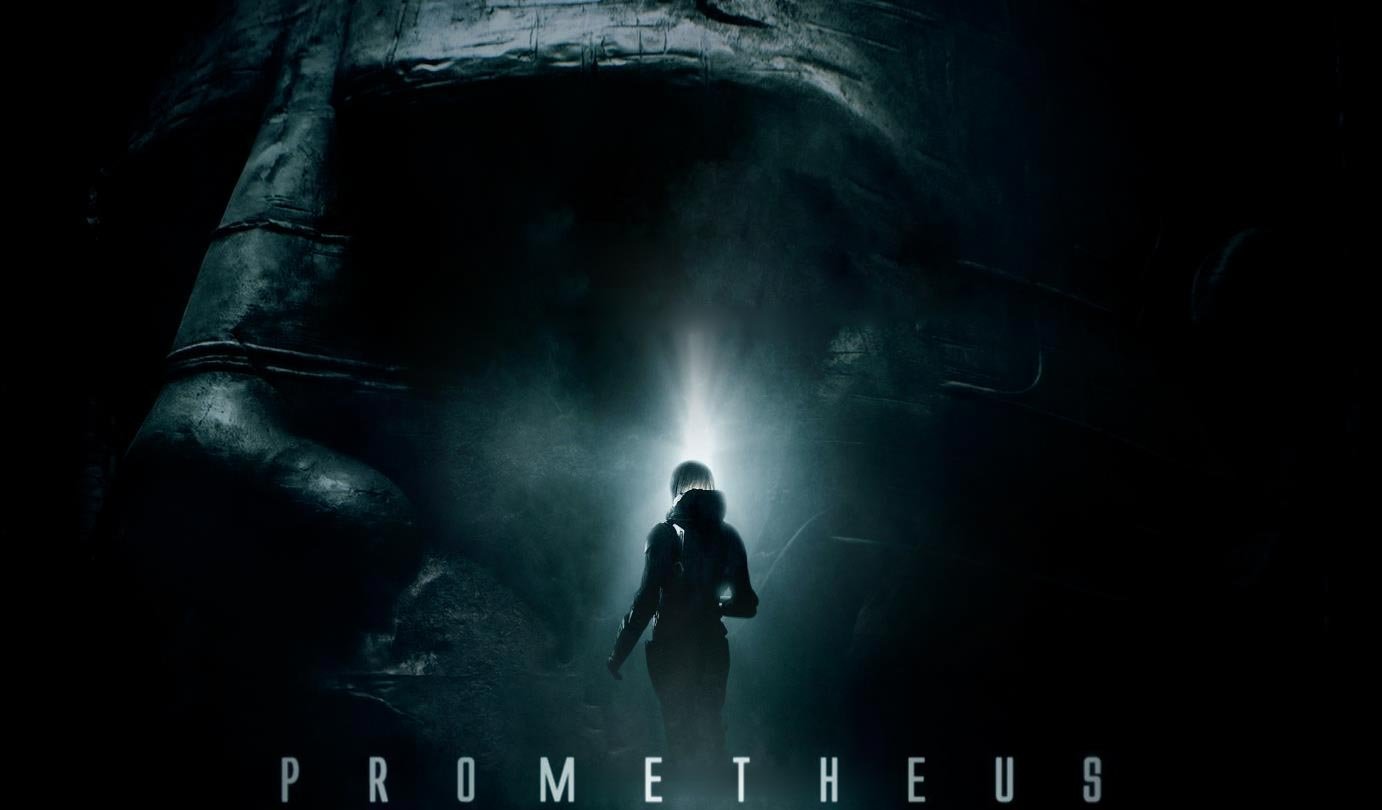
Calling Prometheus “just a prequel” is lazy marketing literacy. Yes, it rhymes with Alien. Yes, the space jockey itch finally gets scratched in public. The project’s DNA was always a negotiation between horror mechanics and mythic sprawl. Jon Spaihts did the early heavy lifting. He has described, in outlets like Collider, how he riffed in a room at Scott Free and then chased multiple drafts as creature logic evolved. Damon Lindelof came in to rebalance toward open questions: more “who made us,” fewer tidy franchise plugs. Spaihts himself has framed Lindelof’s pass as elaboration rather than wholesale reinvention. See Filmmaker Magazine for a sober writer-side account. Translation: the arguments you heard in 2012 were baked in on purpose. They were not a surprise accident that happened to the marketing department on a Tuesday.
I am not here to crown a winner in the writers’ room. I am here to say the compromise is audible. Some corridors scream survival horror. Adjacent scenes stage theology and corporate myth like a stage play. That whiplash is not “bad structure” so much as two audiences handcuffed together and told to share oxygen. Fan culture wanted a schematic drawing of the xenomorph’s résumé. Ridley Scott wanted a creation fable with teeth. The finished film splits the baby, and the baby crawls away angry. That is not a neat outcome. It is an honest one.
Development history matters because it explains why certain choices feel like tests. Removing a helmet is not only plot fuel. It is character judgment about certainty. The screenplay’s philosophical arguments are not garnish. They are the engine that makes violence mean something beyond a body count. You can dislike how openly the film lectures. You cannot claim it stumbled into those themes by accident. This was a studio science fiction movie that risked being called pretentious in the trades and still put Engineers and black goo center frame. That is not cowardice. Cowardice would have been a ninety-minute monster reel with a wink.
If you want a cleaner Alien prequel, you will find fan edits and Reddit timelines that pretend art is accounting. I prefer the messy theatrical cut. It admits that blockbuster myth-making is a fight between continuity cops and storytellers who want the audience uncomfortable. Prometheus chose discomfort. Thirteen years on, people are still debating that choice. That means the writers, whatever their faults, landed the part that mattered. The argument outlives the weekend. The weekend is where marketing lives. The argument is where movies live.
If you want primary-color clarity on who did what when, trawl premiere interviews. HeyUGuys and FirstShowing ran paired conversations with Spaihts and Lindelof that make the collaboration sound civil, which is remarkable for a fandom that loves blood sport. The through-line is simple. Scott sat in the middle, pushing imagery and tone while writers sparred over how much horror versus how much myth. That triangle explains scenes that feel like they belong to different movies. They literally did, until editorial alchemy fused them. Accept the weld marks or walk away. Do not pretend the film is dumb when its development was a conscious tug-of-war.
The hybrid DNA is the movie’s personality. Trying to “fix” it into a pure Alien prequel or a pure art-film thought experiment would lobotomize what makes it memorable. Love the mess or hate it. Do not file it under incompetence when the fingerprints show deliberate compromise. Incompetence reads as random. This reads as conflict preserved on purpose because somebody believed the friction was generative.
Spaihts’s early drafts reportedly leaned harder on creature throughput. Lindelof’s pass widened the metaphysical aperture. Neither impulse is wrong in the abstract. Together they produce a film that sometimes feels like it is arguing with itself in real time. I find that more interesting than a single clean voice that never breaks stride. Clean voices make good manuals. Broken voices make good arguments. Blockbusters are not supposed to admit they contain multiple authors. This one cannot hide it, and the seams become part of the texture.
Script politics also intersect with studio notes in ways nobody fully confesses on a commentary track. You can infer pressure from what the movie refuses to do. It refuses to hand you a xenomorph on schedule. It refuses to make scientists behave like a perfect expeditionary team. It refuses to let faith function as a cute character quirk. Those refusals cost test-screening comfort. They bought something rarer: a film that feels authored even when it wobbles. Authored wobble beats committee smoothness. Committee smoothness is how you get movies you forget before the parking garage.
The “standalone myth” half of the title is not a dodge. It is a claim about what kind of pleasure the film offers. Myth rewards return visits because details change meaning when you know the ending. Horror rewards immediacy because the body reacts before the brain files a report. Prometheus keeps trying to serve both masters. Sometimes the plate tips. Sometimes you get a bite that tastes like two cuisines at once. That is not a failure of cuisine. That is fusion that not everybody likes.
Online discourse treats writers as sports teams. Pick Spaihts or pick Lindelof, then insult the loser. The actual work is more boring and more impressive. It is revision under deadlines while a director redraws the map. It is retaining a set piece because the money is on screen. It is cutting a line because the actor found a better silence. The screenplay is a living object until the print locks. Then it becomes evidence. People treat evidence like gospel. Writers treat evidence like a crime scene. Both approaches produce heat. Only one produces movies.
If you teach writing, Prometheus is a case study in “same premise, different emphasis.” The premise is contact with an origin story attached. The emphasis shifts depending on which draft you read in your head while you watch. Some viewers carry the creature draft. Some viewers carry the theology draft. When those viewers talk past each other, they are not always disagreeing about quality. They are disagreeing about which movie they thought they bought tickets for. The poster promised both. The theater delivered a marriage. Marriages are work.
There is also the prequel label as a cage. Once marketing says prequel, audiences activate checklist mode. Checklist mode kills myth. It turns cinema into inventory. Prometheus resists inventory in ways that infuriate inventory lovers. That resistance is a creative decision with a commercial price tag. You can call the price too high. You should still recognize the receipt as intentional spending, not a wallet lost on the bus.
Finally, remember that scripts are not novels. They are blueprints for a machine made of money and time. The wonder of this machine is that you can still hear the writers talking through the welds. Not every blockbuster allows that. Many sand the welds until the surface looks like a single piece. This one leaves grit. Grit is not polish. Grit is grip. Grip is why people still climb the film looking for answers it never promised to give cleanly.
Another layer people skip is dialogue as argument rather than dialogue as information. Characters say what they believe because the film is staging a collision of worldviews, not because the audience needs a Wikipedia paragraph. That choice reads as on-the-nose if you want subtlety. It reads as honest if you accept that expeditions brief aloud and people under stress say the quiet part loud. The script is not trying to mimic how cool people talk at dinner. It is trying to mimic how frightened experts talk when the map stops matching the ground. That is a different ear test, and many viewers fail it on purpose because failing is more fun than listening.
The Spaihts and Lindelof fork also maps onto a bigger industry pattern: the monster movie versus the idea movie, bundled for summer. Studios keep attempting the bundle because it prints money when it works. When it does not work, each half’s fans blame the other half. Prometheus is a fossil of that gamble from a moment when Ridley Scott could still command a budget large enough to build a temple and hire a cast worth staring at. The gamble’s unevenness is visible. So is the ambition. I would rather study a visible gamble than praise a cautious spreadsheet that never leaves the ground.
So file this article wherever you keep your behind-the-scenes grudges, but do not mistake the fight for an accident. The script’s twin engines are the reason the movie still fuels essays. Kill one engine and you get a slicker film and a deader conversation. Keep both and you get what we have: a blockbuster that behaves like it has opinions, even when those opinions contradict each other. Contradiction is human. Humans are what the Engineers keep failing to respect. The screenplay, for all its mess, respects human contradiction enough to put it on screen without ironing it flat.