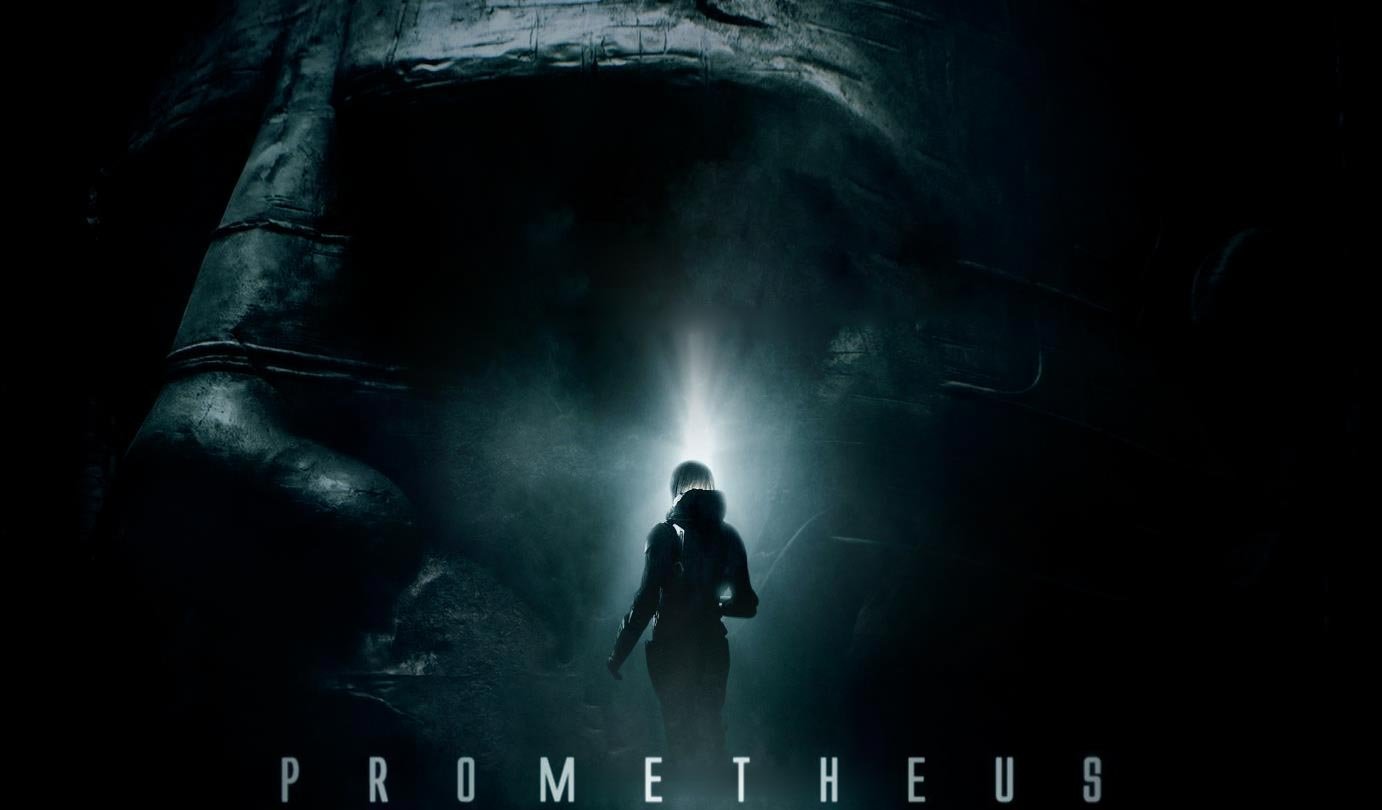
Half of horror is audio. Prometheus understands that like a film made by people who still respect silences. Low frequency pressure sits under scenes like a subwoofer secret. Your chest knows something is wrong before your brain files a report. Metallic resonance and wet biological textures build a vocabulary of intrusion: things entering spaces they should not, membranes failing, machinery pretending to be neutral. The critical consensus blurbs often praise visuals and Fassbender. Sound mixers rarely get marquee quotes, which is criminal for a movie this reliant on baseline normality shattering. Shattering is a sound job first. Visuals confirm what your ears already fear.
Ship systems establish a believable loop: respiration, hydraulics, ventilation. Anomalies cut through with narrative clarity. That is functional sound design, not cool beeps. When communication fails, the film stages it at the species level: vocalizations that imply intelligence without human empathy cues. Otherness lands because the timbre refuses to cozy up. Cheap alien voices go cartoon. These stay ugly and weighted. Weight is respect for the audience. Cartoons are contempt dressed as fun.
Proximity matters. Close-mic breathing inside helmets sells claustrophobia. Wide exteriors let wind eat dialogue. The mix prioritizes subjectivity: what a body hears in a coffin of glass and rubber. If you watch on laptop speakers, you are doing it wrong and then complaining nothing felt scary. This movie taxes playback equipment on purpose. Purposeful taxation is not elitism. It is design.
Hot take: jump scares are lazy when they are only volume spikes. Prometheus uses a few, but the lasting unease is sustained pressure: sonic humidity before the storm. That is harder to engineer than a sting every nine minutes, and it respects an adult audience until the script forces dumb choices. Even then, the world sounds expensive. Expensive worlds make dumb choices hurt more because you believe the stakes physically.
For cross-checking crew roles, IMDb fullcredits remains the quickest map. Then rewatch one corridor scene eyes-closed. You will hear the geography. If you can sketch the room from audio alone, the designers earned their paychecks. If you cannot, upgrade your speakers before tweeting that horror is dead. Horror is not dead. Your playback is underfed.
One more gripe: normalized streaming audio crushes the peaks that sell scale. If you can, route through something with headroom: AVR, decent DAC, anything that lets transients snap. The film’s metal groans and pressure waves deserve transient honesty. Compression is the silent vandal of modern viewing, and sound designers are the ones who pay for your cheap Bluetooth bar. Respect the craft or accept flatter scares. There is no third option.
Try this experiment: mute a creature scene, then replay with audio. If the scare collapses without sound, the designers did the heavy lifting. If it still works, you are watching acting and staging win, rare and precious. Prometheus mostly fails the mute test on purpose. It wants the sound to carry menace the way water carries cold. Respect that design or watch silent films only. Silent films are great. This is not one.
Violation as a theme shows up sonically before it shows up visually. There is a particular wet intimacy to certain biological moments that triggers disgust faster than the eye can parse anatomy. Disgust is sound-fast. That is evolutionary. The film uses evolution against you, which is on theme. Theme through timbre is elite horror craft when it lands. It lands here often enough to defend.
Helmets complicate mix priorities. You need intelligibility and enclosure at the same time. The film chooses enclosure when stress peaks, which means dialogue sacrifices itself to psychology. That choice annoys subtitle haters. It rewards viewers who accept that panic mangles words. Panic should mangle words. Clean dialogue during chaos is a lie blockbusters tell constantly. This one lies less often in the mix than in the script.
The ship’s scale reads through off-screen sound too: distant clangs, far vents, subtle ship groans that imply mass moving in sleep. Off-screen audio builds a universe beyond the frame. Frames are liars by nature. Ears treat lies with suspicion. Suspicion is free tension.
Sound also sells the Engineers as both monumental and alien. Footfalls, air movement, implied mass: the mix gives them presence before full reveal. Presence without reveal is old monster discipline. Discipline broke in many modern films. It holds here more often than not.
If you are a sound student, study how silence is deployed after noise spikes. The silence is not empty. It is contrast. Contrast is how human perception works. Films that stay loud lose contrast. This one buys quiet moments and spends them like currency. Currency spent well feels rich. Rich sound reads as expensive even when the budget is finite. Finite budgets that respect ears punch above their weight.
Voice treatment matters for Weyland and corporate power. Microphone proximity and room tone sell age, money, and control. Control is a sound texture too. It sounds like clean rooms and careful mics. When chaos invades, those textures break. Breaking reads as story even if you never see the microphone. You will not see the microphone. You will hear the empire wobble.
Finally, sound design as a second script means the film can contradict dialogue without a character noticing. Alarms lie. Sensors hesitate. Comms fuzz at wrong times. Those choices are narrative. Narrative through glitch is sophisticated. Sophistication in sound is why rewatches reward headphones. Headphones reveal conspiracies the wide mix hides. Hide and seek is a sound game too.
So pressure, proximity, violation: the triad holds. Your body is the speaker cabinet. The film plays you like an instrument. If you refuse to be played, you will call the film cold. If you accept it, you will call the film precise. Precision in horror is love dressed as cruelty. Cruelty here is honest. Honesty is what sound does best when pictures pretend they are neutral.
Let me add a practical home-theater note because it matters for this title specifically. If your center channel is weak, dialogue under stress will fold into mush and you will blame the mix. The mix is doing intentional mush inside helmets. Your job is to separate intentional mush from hardware failure. Good separation requires calibration. Calibration is boring. Boring steps are how you hear what the designers mixed. What they mixed is a story about bodies failing inside machines.
Another layer: Foley and effects editing sell the difference between a sterile lab and a violated lab. The same room returns with new tiny sounds: drips, sticky steps, a vent that suddenly labors. Those micro-events are how sound tells you the temple entered the ship without a title card. Title cards are for polite movies. This movie prefers sneaking contamination into your ears.
The film also uses distance cues to keep ensemble chaos readable. When multiple people shout, panning and distance keep threads separable enough that you track panic spatially. Spatial panic is more interesting than a mono scream blob. Mono scream blobs are for bad television. Theatrical mixes should stage fear like blocking. Blocking is not only visual. It is auditory. Sound designers who think in blocking earn my loyalty.
Creature vocal design deserves its own sentence because it walks a hard line: intelligent without cute, threatening without becoming a lion roar pasted on a blob. The line wobbles sometimes. The ambition is clear. Clear ambition beats lazy lions. Lazy lions are why people make memes instead of nightmares.
If you compare to Alien, the original traded on industrial isolation. Prometheus trades on exploratory openness that turns claustrophobic. The sound follows that arc: wider exteriors early, tighter interiors late, helmet coffins throughout. Arc awareness is what separates sound design from random noise. Random noise is cheap. Arcs cost thought. Thought is audible when you listen for it.
Finally, remember that language failure is a sound theme. When humans cannot speak Engineer, the film puts the failure in your ears: wrong registers, wrong shapes, wrong empathy. That failure is political in a science fiction way. Politics through timbre is rare in blockbusters. Rare is valuable. Value your ears. They are doing homework the eyes get credit for.
One last orbit around the same idea: when the film goes big, the low end should feel like weather, not like a ringtone. Weather implies scale. Ringtones imply impatience. Blockbusters trained audiences to expect impatience. Push back. Let the pressure build. Building is a sound discipline that respects horror as a slow flood rather than a quick splash.
That is the second script in practice: pressure teaches you the stakes, proximity teaches you the body, violation teaches you the moral stain. Listen for all three on your next pass. If you find them, the designers did their job even on the scenes you think you hate. Hate is data too. Data belongs in the mix as much as in the plot.