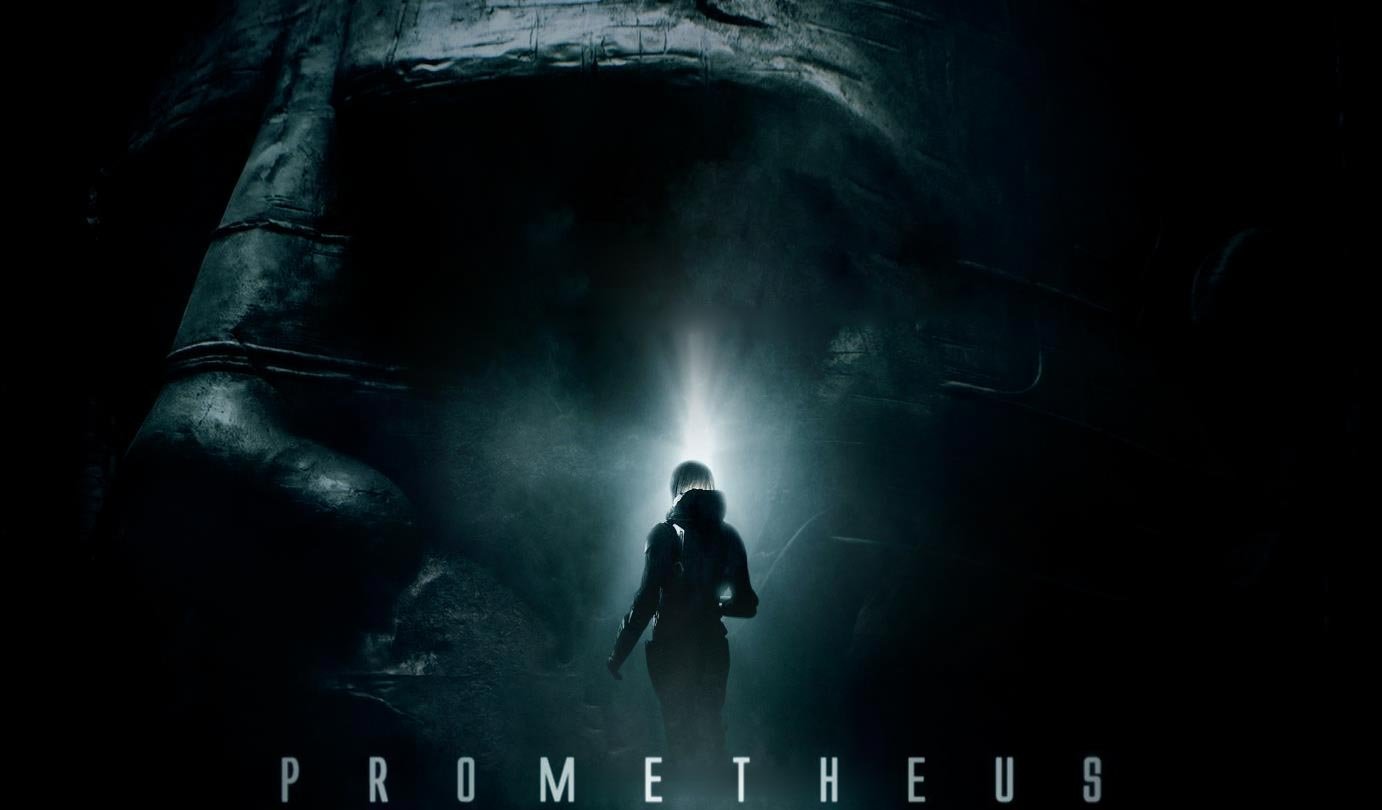
The last birth in Prometheus is not Elizabeth Shaw’s trilobite caesarean. It is the Deacon—an elongated skull, a howl in silhouette, a sting that plays like franchise tease and honest refusal at the same time. After two hours of Engineers, goo, faith, and corporate hubris, the film closes on something that looks like a xenomorph cousin born from an Engineer chest after Shaw’s octopus creature does the facehugger math without the label. Audiences split instantly: some felt cheated of a proper Alien, others felt fed a mythic rhyme. Both groups were reacting to the same choice—Prometheus ending on suggestion instead of checklist, on lineage instead of lore deposit, on a monster you glimpse rather than fight.
For beat-by-beat description, see the Deacon guide and ending explained guide. This essay asks a different question: is the Deacon franchise bait, thematic punctuation, or both—and why “both” is the only answer that respects the film Scott actually shipped in 2012.
Tease without homework
Post-Alien cinema trained viewers to expect stingers—Eggs, queens, corporate conspiracies neatly labeled. The Deacon stinger is not neat. It is a birth in emergency lighting, observed not pursued, gone before the creature can become a level boss. That restraint is unusual for a summer film carrying the Alien brand. Restraint reads as tease because marketing sold monsters harder than myth. When the monster finally appears, it appears as epilogue, not as climax. Climax was the Engineer killing Weyland like a man swatting flies. The Deacon whispers: the flyswat is not the only life cycle on this rock.
Franchise tease usually promises sequel fuel. Prometheus did launch a thread—Shaw and David sailing to the Engineer homeworld, later picked up sideways by Alien: Covenant. The Deacon itself does not return on screen in the follow-up. That non-return is important. If the sting were pure setup, later films would treat the Deacon like an asset. They do not. The sting is atmospheric closure for this movie’s goo logic, not a cliffhanger handcuff. Atmospheric closure frustrates checklist fans. It satisfies myth fans who wanted rhyme without blueprint.
Rhyme structure is what I defended in how Prometheus converses with Alien. The Deacon rhymes with the 1979 chestburster in shock shape—sudden birth, body horror, silence broken by scream—without copying the exact life cycle. Rhyme is conversation. Blueprint is fan service. Conversation ages better. Fan service ages into obligation. Prometheus already fought obligation for two hours. The Deacon is the period at the end of the sentence, not the first word of the next paragraph—though executives and sequel scripts tried to read it as paragraph start anyway.
Honest refusal as aesthetic
Refusal is aesthetic too. Scott and Lindelof repeatedly said they did not want to remake Alien. The Deacon ending proves they meant it—barely. You get one creature beat that nods to the franchise, then credits. No queen reveal, no nest, no Weyland-Yutani memo. Refusal is rude to audiences who paid for xenomorph math. Rude is on theme. The Engineers refuse to explain themselves. The film refuses to explain the Engineers fully. The Deacon refuses to stick around for autopsy. Everything in Prometheus is allergic to satisfying the wrong hunger.
The birth also completes an accelerant arc I outline in black goo as accelerant. Engineer + trilobite + emergency cesarean-style extraction = one possible outcome of many, not the official xenomorph origin PDF. Treating the Deacon as “the first alien” collapses the film into monster manual. Treating it as “one path the goo can take when two wrong bodies meet” keeps the myth slippery. Slippery is scary. Manuals are not scary unless you are a bureaucrat.
Visually, the Deacon is a design triumph in seconds—Giger lineage without duplicate sprite. Prosthetics and CG marry long enough to sell weight, then the creature is gone. Gone is the point. Horror that lingers too long becomes action scheduling. Here horror lingers in memory because it was denied a fight scene. Denial is power move. Power moves divide audiences. Division is this film’s legacy weather.
Split audiences and the long afterlife
Opening weekend arguments often sounded like: “That’s not an alien!” vs. “That’s exactly why it’s good.” Both sides assumed the film owed them a single creature theology. Neither side was stupid. They signed different contracts. Marketing sold monster contract in spots; theatrical cut sold myth contract in structure. The Deacon is where contracts collide—monster enough for silhouette recognition, myth enough to withhold screen time. Collision is feature of polarized reception and long afterlife.
Compare the Deacon sting to the post-credits scene discourse in the post-credits guide. Some prints trained viewers to hunt stingers. The Deacon is not post-credits—it is final beat. That placement matters. Post-credits stingers feel like optional homework. Final-beat stingers feel like last word. Last word is bolder. Boldness is why people still screenshot the skull and argue about teeth online. Teeth arguments are free advertising for a film that refused to hand you the dental chart.
On rewatch, stack the Deacon against Shaw’s trilobite birth in the caesarean essay. Shaw’s horror is human agency under violation. Deacon horror is cosmic indifference finishing a cycle Shaw accidentally started. Human vs. cosmic births bookend the goo story without repeating the same scene. Repetition would have been safer. Safety is not what 2012 Scott was selling.
I will not tell you to love the ending. I will tell you to read it as intentional tone law, not as failed fan service. Failed fan service looks like a creature introduced so it can die in Act Three for applause. The Deacon never gets Act Three. It gets a howl and darkness. Darkness is the franchise’s oldest language before anyone named the xenomorph. Naming came later. Language came first. Prometheus ends by speaking language—birth as threat, suggestion as sting, refusal as courage or cowardice depending on your ticket price expectations. Expectations are the real monster. The Deacon is just what happens when expectations are fed to an Engineer after a trilobite hug. Ugly. Brief. Honest enough to still hurt when you remember it in the parking lot, which is where this film always lived anyway—arguing about what you were promised versus what you were shown, while the cathedral credits roll and nobody gets a refund on awe.
For collectors, the Deacon also marks where practical and digital creature pipelines shake hands one last time before the credits—weight you feel for a second, then myth takes over. That handoff mirrors the film’s whole strategy: give horror fans a silhouette, give myth fans an unanswered line, give sequel accountants a Shaw-and-David departure, give everyone something to shout about in the car. Shouting is engagement. Engagement is what the Deacon buys for the price of thirty seconds of screen time. Cheap at twice the cost of a clearer ending that would have satisfied nobody completely anyway.
Notice also how the Deacon sting avoids the post-credits “wink” music cue that Marvel later normalized. Scott lets the sound of birth carry the beat, then silence. Silence is confidence that the image stuck. Confidence is rare in franchise filmmaking afraid of losing attention before lobby merch. Prometheus trusts one silhouette to hold the room. Whether you wanted more is about your franchise hunger, not about the film’s ability to end. Endings are arguments. This one argues for suggestion. Suggestion keeps the Deacon alive in memory precisely because it refused to become a fight scene. Fight scenes are forgotten faster than questions.