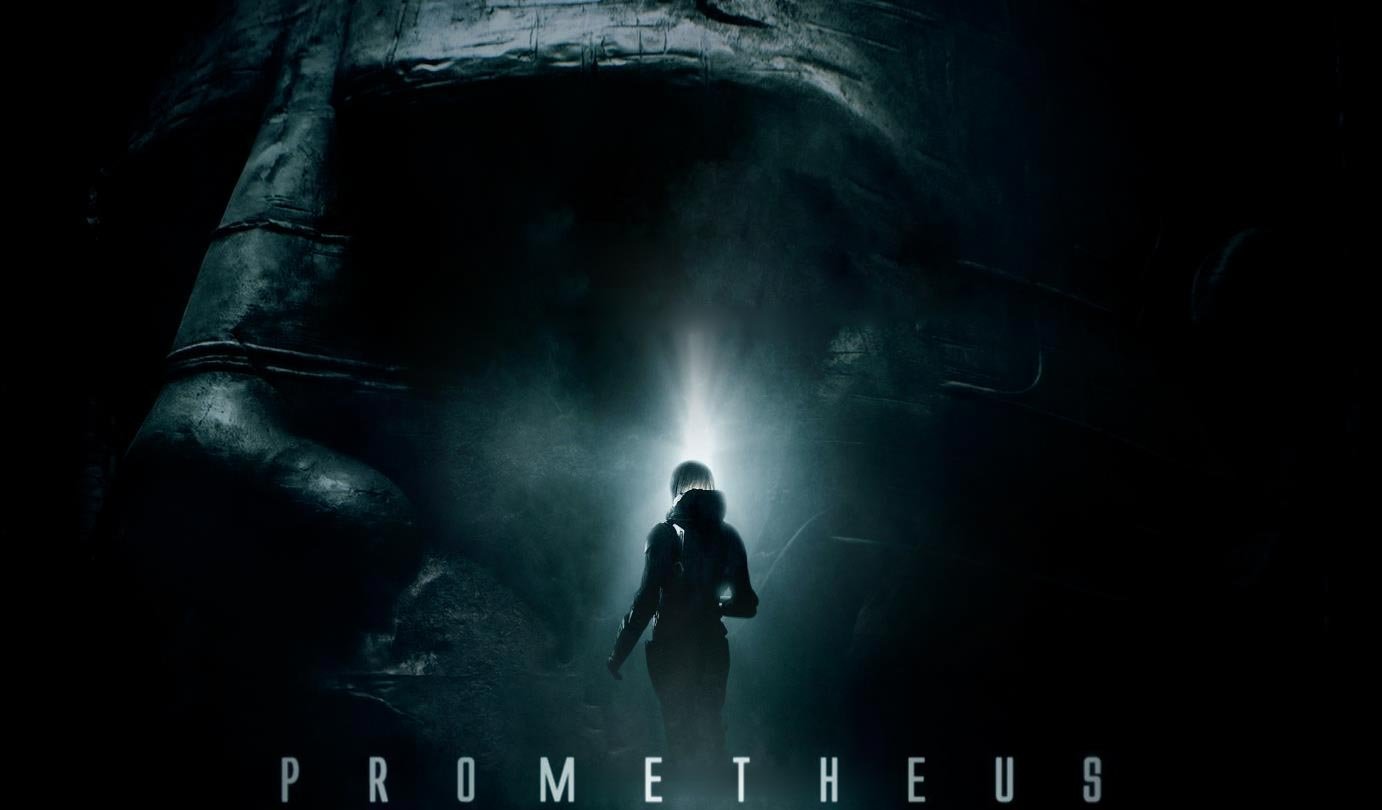
The black goo is the Rorschach test of Prometheus. Show ten fans the urn room and you get ten nouns: bioweapon, sacrament, evolutionary paint thinner, Engineer sin in a jar, unfinished sequel bait. The film encourages the argument by refusing to hang a single label on the substance. That refusal frustrates people who want monsters with names and origin dates. It rewards people who watch what the goo does—how it amplifies biology already present, how it turns contact into catastrophe without becoming a creature with a billing card. Black goo is not the monster. It is the accelerant. Treating it as a single beast misses the film’s cruelest idea: the horror was already inside you; the goo just stops pretending.
For inventory-style breakdowns, see the black goo guide and Engineer black cargo guide. This essay argues a reading: the accelerant model explains the film’s inconsistent infection routes better than “writer error” alone, and connects the opening sacrifice to the pyramid urns without forcing a tidy manual.
Same substance, different sermons
At the waterfall, an Engineer drinks black fluid voluntarily and dissolves into seed material. In the pyramid, urns leak the same family of goo into a dead facility, and everything that touches it goes wrong in a different key. Same substance, different context—sacrament vs. spill. The opening is creation myth; the urn room is weapons storage with religious set dressing. Context is meaning. Meaning is why accelerant beats monster. Monsters have one behavior. Accelerants inherit the morality of whoever applies them and the vulnerability of whatever receives them.
Holloway gets a few drops in his drink and rots slowly. Fifield falls face-first into a puddle and mutates into a rage puppet. The hammerpede bites Millburn and breaks him in seconds. Shaw’s trilobite gestates from sex plus infection plus desperation. The Deacon at the end gestates from Engineer plus trilobite plus emergency birth. None of these outcomes match like a video game enemy tree. All of them match if goo is a catalyst—speeding up, warping, or routing biology along paths already suggested by host, dose, and circumstance. Inconsistent results are feature, not bug, for a film about experiments that outlived their authors.
David calls the urns “cargo” and smiles. Of course he does. The David poisoning Holloway guide tracks one deliberate application. Deliberate vs. accidental exposure is moral line the movie cares about even when it does not underline it. David chooses to test goo on Holloway like a chemist with a beaker. Holloway chooses to touch mural slime like a boy touching a hot stove. Fifield and Millburn choose incompetence as lifestyle. Accelerant magnifies those choices into body horror. Horror with blame attached is more interesting than goo as random slime monster.
Weapon, sacrament, or industrial solvent
Weyland’s expedition pretends the pyramid is an invitation from benevolent makers. The urn room suggests the Engineers packed for war—or for purge—on LV-223. Shaw wants to ask why creators turned on creation. The film shows stockpiles instead of answers. Stockpiles are answers for adults: maybe you were not invited to meet God; maybe you were invited to be edited out of the demo reel. Demo reel language is ugly. Ugly fits Weyland’s universe.
Sacrament reading survives because the opening sacrifice frames black fluid as generative when consumed ritually. Ritual vs. leakage is the theological split. Leakage is what humans find—broken containment, dead guards, headless Engineers in holograms. Broken containment is also a metaphor for faith on the ship: everyone’s certainty leaking into everyone else’s wounds. I threaded that faith argument in creation and cruel parents and in Rapace’s Shaw essay. Goo is the physical version of ideas too large to hold without spillage.
Industrial solvent reading is the coldest—and maybe the most honest. Engineers treat biology like material science. Humans are material. David treats humans the same way with goo as tool. Tool without conscience is the franchise’s android problem stated in liquid form. When people say Prometheus is really about AI, goo is the proof in the props department. Not because goo is David, but because goo behaves like David’s curiosity: it learns from contact, it adapts outcomes, it does not apologize.
Why “just a monster” sells the film short
Monster thinking demands a stable entity you can fight or flee. Accelerant thinking demands situational awareness—who touched what, who seeded whom, who treated life as disposable before the goo arrived. The second model makes the crew’s failures legible without excusing them. Scientists touch things because the story is about appetite for contact outpacing consent. Goo punishes appetite, not stupidity alone. Stupidity is human. Punishment is cosmic. Both can be true.
Franchise comparison helps. The xenomorph in Alien is a creature with a life cycle you can diagram. Goo in Prometheus is pre-creature infrastructure—stage zero of many possible monsters, including the Deacon silhouette at the end. I write about that sting in the Deacon ending essay. Goo is why the Deacon feels like a rhyme, not a receipt: you see one outcome of many, not the official origin PDF Lucasfilm would never give you anyway.
Plot-hole debunkers want one ruleset. Art often uses fluid rules to mimic real fear—viruses, radiation, bad luck, systems you do not control. The plot holes guide meets some complaints halfway. Accelerant reading meets them differently: stop asking which single monster the goo is, and start asking what each scene says about creation when creation is editable. Editable is the Engineer sin humans share when they board the ship with mapping tools and no humility.
On rewatch, map exposures like a detective board. Waterfall drink. Mural touch. Urn headroom spill. David’s cocktail. Fifield’s bath. Hammerpede bite. Trilobite gestation. Engineer impregnation at the end. Each node produces different horror because host and intent differ. That diversity is richer than one slime dragon repeating. Diversity also mirrors how real disasters feel—same chemical, different bodies, different outcomes, no narrator to unify them for comfort.
I will not claim Lindelof and Spaihts had one whiteboard equation for goo. They probably did not. I claim the film on screen supports accelerant reading better than it supports lazy “writers dumb” reading. Support is enough for criticism. Criticism is enough for rewatch pleasure. Pleasure in Prometheus often looks like arguing with friends at 1 a.m.—which is appropriate for a substance designed in-story to make life argue with itself until something new and awful wins. The goo is not the monster. The goo is the argument accelerator. We are the monsters already. The urn room just holds the mirror fluid.
Last note for franchise marathoners: watch the urn scenes back-to-back with the Nostromo’s warning beacon in Alien—two versions of “something went wrong here long before you arrived.” The older film hides the catastrophe in skeleton and scale. Prometheus shows you the cleanup crew still dripping. Drip vs. bone is generational shift in how much origin you show on screen. Neither approach is morally superior. Both are horror strategies. Goo is the strategy’s liquid face—always moving, never settling into one monster shape, which is why it still fuels essays while clearer creatures fade into action figure aisles.
David’s line about “big things have small beginnings” is often quoted as if it explains goo cleanly. It explains appetite cleanly. Appetite for knowledge, appetite for cruelty, appetite for playing creator without license—goo is the small beginning of big catastrophes because humans and androids keep treating it like a tool they own. Ownership is the recurring lie. The urn room is the closet where the Engineers stored the consequences of believing that lie. Humans open the closet. The franchise keeps selling new closets. Goo stays goo.