Essays
Notes that outstay their welcome
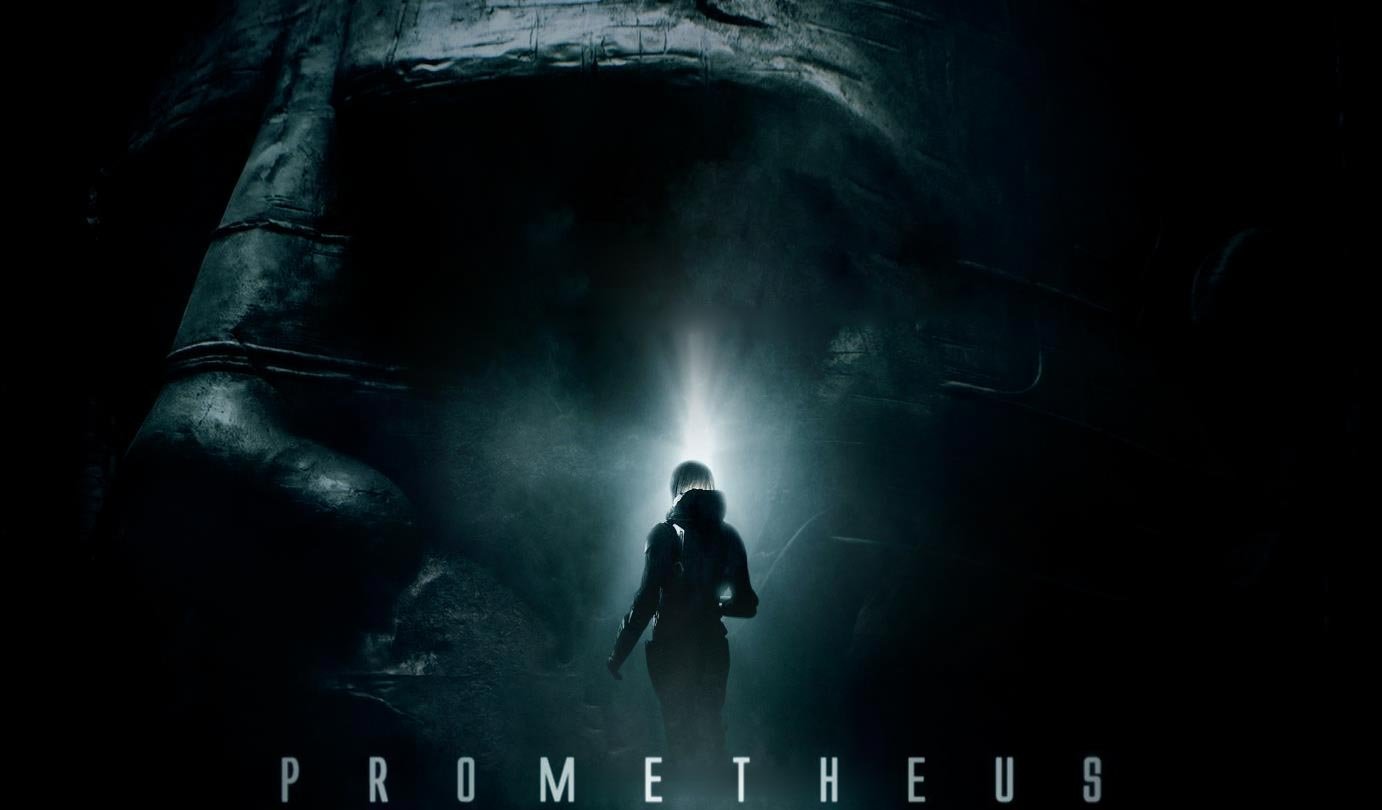
- Prometheus trailers: teaser, full trailer, TV spots, and what the marketing sold
Anchal K. ·
A practical guide to the Prometheus trailer rollout: what each cut emphasized, what footage changed, and how the campaign framed mystery vs. monster beats. Useful if you want to separate what the studio sold from what the theater delivered—and to see how a few seconds of misdirection can rewrite audience expectations for years. - Noomi Rapace as Elizabeth Shaw: how faith becomes a performance that survives the myth
Anchal K. ·
Earnestness in a cynical genre, pain braided with conviction, and a final refusal to let the Engineers have the last word on meaning. Rapace sells Shaw as someone who believes before the script proves her right—and keeps believing after it proves her wrong, which is harder than heroism and more interesting than competence porn. - Charlize Theron’s Meredith Vickers: corporate ice without camp, and why the ship needs a villain who looks like HR
Anchal K. ·
Stillness as threat, hierarchy as posture, and the flamethrower beat that turns boardroom frost into survival math. Theron plays Vickers like a person who already decided the mission is a liability—then spends the runtime proving she was the only adult who read the contract correctly. - Idris Elba’s Captain Janek: the working-class read that keeps Prometheus from floating into pure theology
Anchal K. ·
Folk sanity, deck-plate competence, and a captain who loves his ship more than the mission’s ego layer. Janek is the film’s labor counterweight—small arc, essential gravity—reminding you that somebody has to fly the boat while priests and CEOs argue about creation in the mess hall. - The Prometheus caesarean scene: body horror as argument, not shock filler
Anchal K. ·
Autonomy under corporate expedition conditions, the Med-Pod as cruel joke, and why the sequence still curdles stomachs for reasons beyond gore. This is franchise body horror pushed into mythic language—Shaw’s ordeal as the film’s most honest statement about who pays when curiosity stops asking permission. - Orrery room and hologram ghosts: when Prometheus stops whispering and shows you the size of the question
Anchal K. ·
Star maps as architecture, ghost-light as memory, and the moment the film trades claustrophobia for cathedral scale without losing dread. The orrery sequence is where world-building stops being backdrop and becomes theology—you feel the universe get larger and meaner at the same time. - The mural chamber: Giger echoes, worship in silhouette, and why lore nerds miss the scare
Anchal K. ·
Biomechanical grammar without photocopy duty, a room that testifies instead of decorating, and horror that lands in implication before tooth count. The chamber is Prometheus at its most patient—asking you to read faith and violation in the same frame before anything chases you down a corridor. - Opening sacrifice: creation myth before the corporate clock starts ticking
Anchal K. ·
A white body, black water, and a prologue that refuses to hand you a user manual. The opening is not exposition—it is tone law, establishing that creation here is violent, indifferent, and older than Weyland’s TED talk, which is exactly why the rest of the film feels like a rude interruption.